
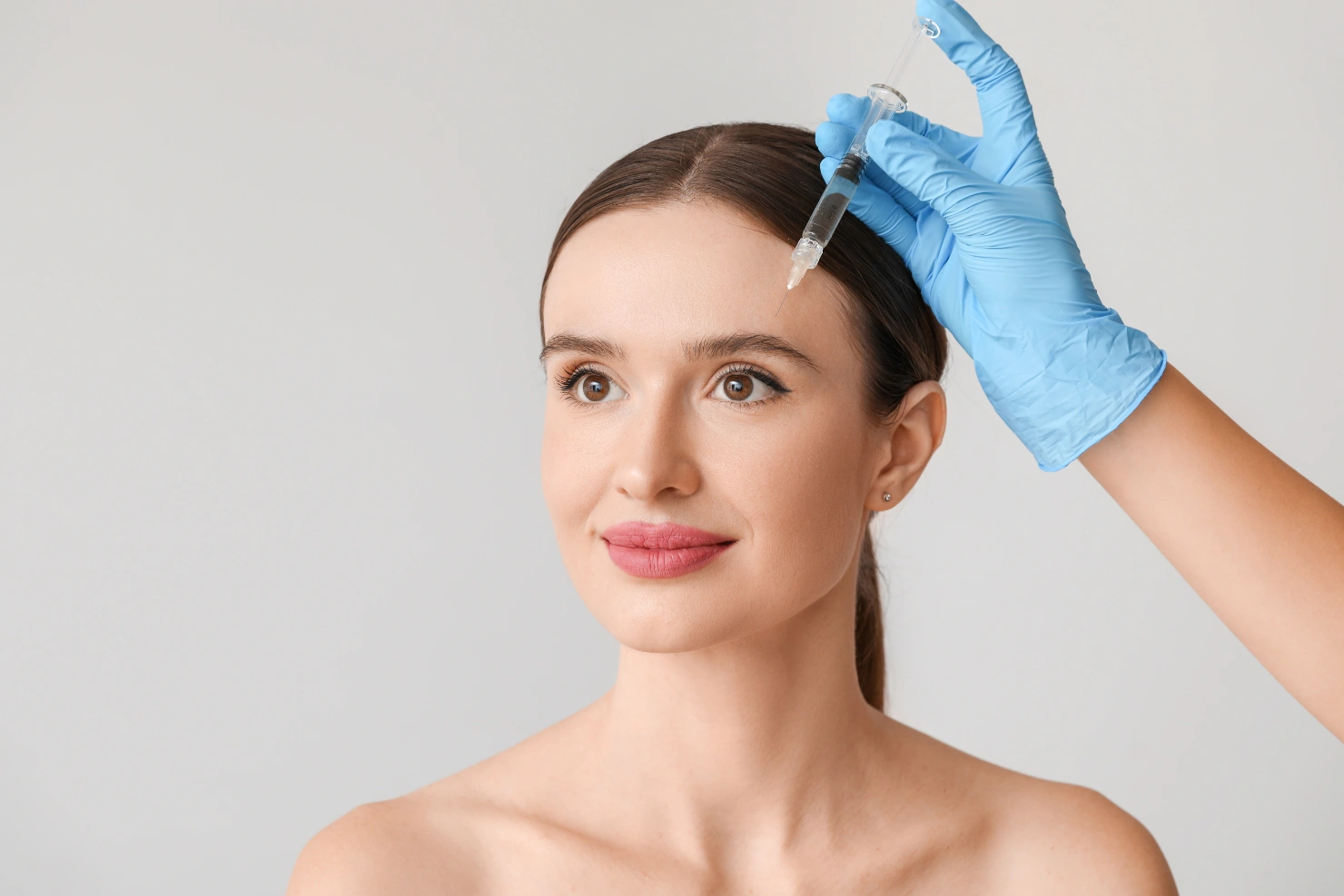
A tired or hollow appearance in the upper face can make you look older, stressed, or less refreshed than you feel. Volume loss around the temples, forehead, and brow area may gradually change facial balance, even when your skin remains healthy.
Could upper face filler restore a more rested appearance without making your features look noticeably altered? When used conservatively by a qualified medical professional, dermal filler can soften selected hollows, improve contours, and create subtle changes that preserve your recognizable features.
At KenshoDerm in Arlington, VA, upper face filler treatments begin with an individualized assessment. The goal is to understand where volume has changed and determine whether filler is appropriate for your concerns.
Key Takeaways
- Upper face filler restores balanced volume.
- Conservative placement supports natural-looking results.
- Temple hollowing can create tired features.
- Fillers and wrinkle relaxers treat differently.
- Qualified injectors reduce treatment-related risks.
What Makes the Upper Face Look Tired?
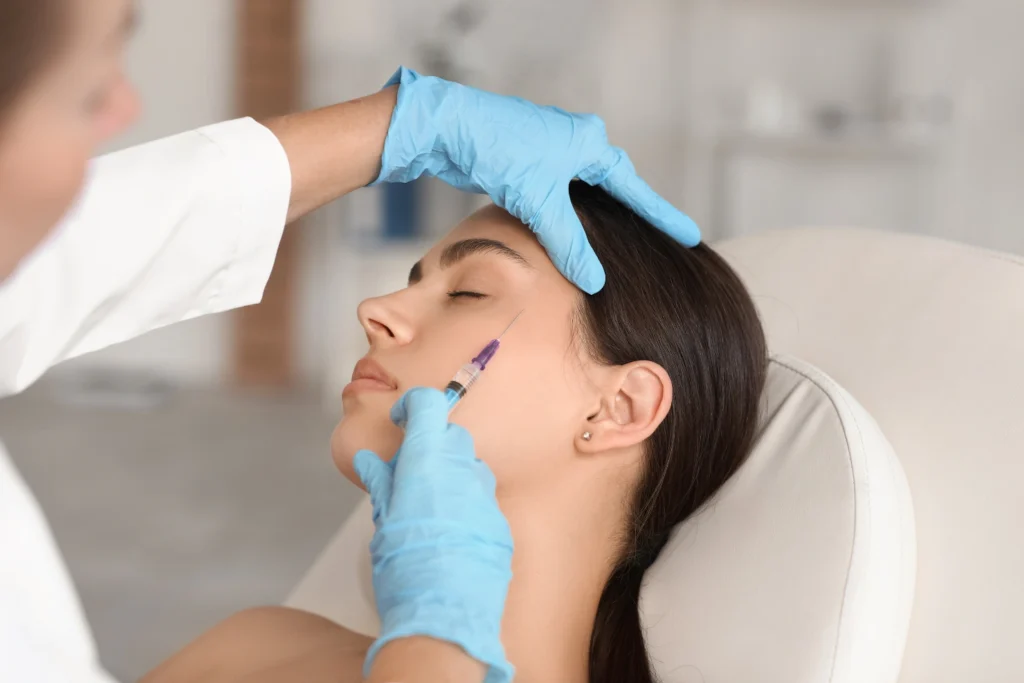
Several changes can contribute to a tired upper face. Lost facial volume, changing skin quality, shadows around the eyes, and natural differences in bone structure may all affect how rested someone appears.
Lack of sleep can temporarily worsen dark circles or puffiness, but persistent hollowing often has a structural component that skincare and additional rest cannot fully correct.
Temple Hollowing
The temples sit between the outer forehead, hairline, and cheek area. When this region loses fullness, deeper shadows may develop and the sides of the face can appear more angular.
Temple hollowing may also make the brow and eye area look less supported. Restoring carefully selected volume can soften this transition, but the temples contain important blood vessels and require a detailed understanding of facial anatomy.
Forehead Changes
The forehead is not completely flat. Its natural contour depends on the skin, underlying fat compartments, muscles, and bone structure.
Volume changes may make some areas appear uneven or more sharply defined. Forehead filler is not suitable for every person or every line, and this region requires particular caution because of its vascular anatomy.
Brow Area Changes
A heavy-looking or tired brow can have several causes, including skin laxity, muscle activity, bone structure, and nearby volume loss. Filler may improve support or contour in selected cases, but it does not replace a surgical brow lift.
A complete assessment is necessary to determine whether filler, a wrinkle-relaxing treatment, another procedure, or no treatment is the safest choice.
What Is Upper Face Filler?
Upper face filler refers to injectable treatment used to restore or reshape volume in selected areas above the cheeks. Depending on the patient, this may include the temples, parts of the forehead, or carefully chosen areas near the outer brow.
Many commonly used fillers contain hyaluronic acid, a substance naturally found in the body. The gel adds temporary volume beneath the skin, although the exact product, injection depth, and treatment area must be selected for the individual patient.
Patients should also understand that FDA approval is product- and treatment-area-specific. Using a filler in an area that is not included in that product’s approved labeling may be considered off-label use, which should be clearly discussed during informed consent.
Areas Upper Face Filler May Address
Upper face treatment should never follow a standard set of injection points. Facial anatomy, skin thickness, previous procedures, symmetry, and the degree of volume loss all affect the plan.
An injector may evaluate concerns such as:
- Hollow or sunken-looking temples
- Uneven upper-face contours
- Age-related volume changes
- Mild differences between the two sides
- Shadows that create a tired appearance
- Transitions between the temples, forehead, and cheeks
Not every concern should be treated with filler. Expression lines caused mainly by repeated muscle movement, for example, may respond more appropriately to a wrinkle-relaxing injectable rather than additional volume.
Upper Face Concerns And Treatment Goals
The following table shows why a precise diagnosis matters. Similar-looking concerns may require different approaches, and filler is only one possible option.
| Upper Face Concern | Possible Contributing Factor | Potential Treatment Goal |
|---|---|---|
| Hollow temples | Reduced soft-tissue volume | Soften shadows and harsh contours |
| Uneven forehead contour | Anatomy or localized volume change | Create a smoother transition |
| Heavy-looking brow | Muscle activity, laxity, or lost support | Improve balance when appropriate |
| Upper-face asymmetry | Natural structural differences | Reduce noticeable imbalance |
| Persistent tired appearance | Hollowing and facial shadows | Create a more rested look |
This table does not replace an examination. A qualified injector must determine what is causing the visible change before recommending treatment.
Subtle Results Require Conservative Treatment
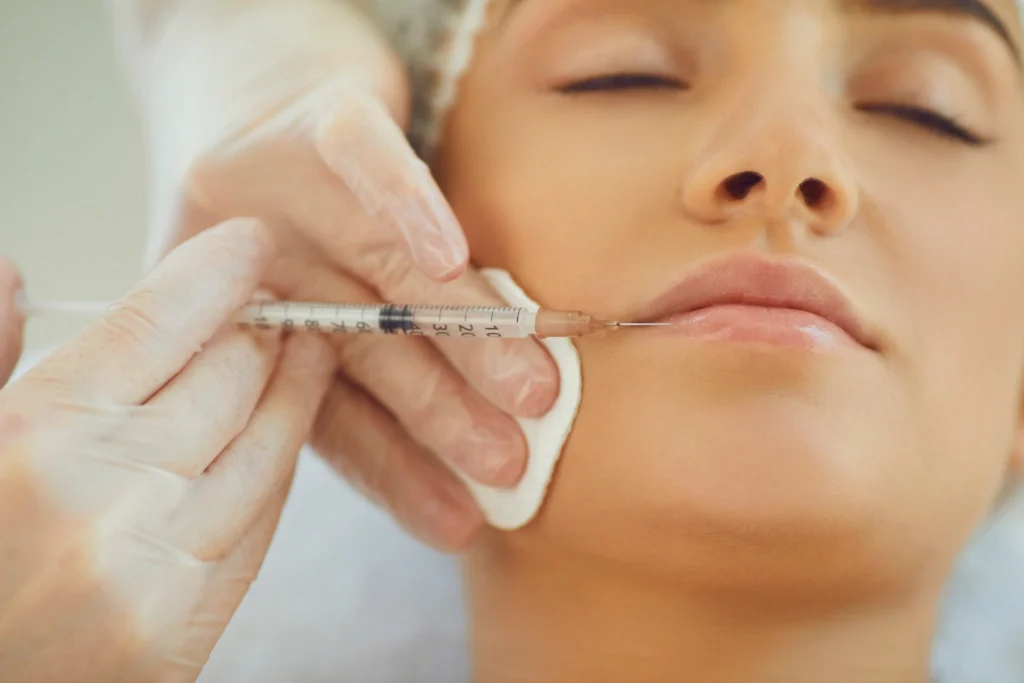
Natural-looking filler is not defined by using the smallest possible amount in every case. It comes from using an appropriate amount in the correct location while respecting the patient’s anatomy.
The objective is usually to improve proportion rather than completely erase every hollow, crease, or asymmetry.
Strategic Placement
Adding filler directly beneath every visible line can create heaviness or distortion. A more thoughtful approach considers how the temples, forehead, brows, cheeks, and eye area relate to one another.
Treatment may focus on a structural area that influences the overall upper face rather than chasing each surface concern separately.
Gradual Correction
Some patients benefit from completing treatment in stages. This gives the injector and patient time to evaluate changes after early swelling resolves.
A staged approach can also reduce pressure to make a dramatic correction during one appointment. Additional product should only be considered when it supports the original treatment goal.
Facial Proportion
Temple volume affects more than the temples themselves. It can influence the visual transition from the forehead to the cheeks and change how broad, narrow, angular, or balanced the face appears.
Successful treatment should consider the entire face. A technically filled area can still look unnatural when it does not complement nearby features.
Pro Tip: Bring clear, unfiltered photographs from several years ago to your consultation. Older photos may help your injector identify your natural facial contours before volume changes occurred. They should serve as a reference rather than a promise to recreate an earlier appearance exactly.
Upper Face Filler Versus Wrinkle Relaxers
Dermal fillers and wrinkle-relaxing injections perform different jobs. Fillers add or restore volume, while botulinum toxin treatments temporarily reduce activity in selected muscles that create expression lines.
A forehead line caused mainly by repeated movement may not improve appropriately with filler. Conversely, wrinkle-relaxing injections cannot replace volume that has been lost from a hollow temple.
Some patients may benefit from one treatment, while others may be candidates for a carefully planned combination. The safest choice depends on anatomy, medical history, previous treatments, and the specific concern being addressed.
What Happens During Treatment?
An upper face filler appointment should include more than the injections themselves. The consultation, medical review, treatment plan, and aftercare instructions are essential parts of the procedure.
Facial Assessment
The injector evaluates facial contours from several angles and may observe the face both at rest and during expression. They should review previous filler, surgeries, allergies, medications, supplements, health conditions, and past reactions.
Certain medications and supplements may increase bruising risk. Patients should disclose everything they take and should never stop a prescribed medication without instructions from the clinician who manages it.
Treatment Planning
The injector identifies the intended correction, selects a suitable product, and explains where it will be placed. The discussion should cover realistic results, possible alternatives, common side effects, serious risks, and what to do if a complication develops.
Photographs may be taken before treatment to document the starting point and support a more objective follow-up assessment.
Filler Placement
The skin is cleansed, and the filler is placed using a needle or cannula based on the product, location, anatomy, and injector’s technique. Small amounts may be administered at a time while the clinician repeatedly assesses contour and symmetry.
The temples and forehead contain complex vascular pathways. Technique alone cannot eliminate risk, which is why anatomical knowledge, appropriate product selection, and readiness to manage complications are critical.
Final Evaluation
The injector examines the treated areas before the patient leaves. Immediate results may be visible, but swelling can temporarily exaggerate fullness or asymmetry.
Patients should receive written aftercare guidance and clear instructions describing normal reactions, warning signs, and how to contact the practice.
What Results Can Patients Expect?
Upper face filler may soften hollow areas and improve transitions between facial regions. The intended result is often a less tired and more balanced appearance rather than an obvious change in facial identity.
Many fillers produce visible volume immediately, although the early appearance is not always the final result. Redness, tenderness, swelling, and occasional bruising may occur and commonly improve within several days to two weeks.
Results vary among patients. Skin thickness, anatomy, filler type, injection depth, metabolism, and the amount used can all affect the outcome.
Recovery And Downtime
Many patients resume normal daily activities soon after receiving dermal filler. Still, social downtime may be needed when swelling or bruising is visible.
The treating clinician may provide instructions regarding exercise, heat exposure, pressure on the area, alcohol, makeup, and other activities. Patients should follow their own injector’s directions rather than relying on generic aftercare advice online.
Temporary reactions can include:
- Redness at injection points
- Swelling or tenderness
- Mild bruising
- Temporary firmness
- Unevenness caused by swelling
Severe pain, blanching or unusual skin discoloration, rapidly worsening swelling, vision changes, weakness, or stroke-like symptoms require immediate medical attention.
How Long Do Results Last?
Dermal fillers are temporary, but there is no single duration that applies to all products and treatment areas. Results may last several months or longer depending on the filler formulation, placement, anatomy, and individual metabolism.
Some fillers placed deeply may remain visible for a year or more, while others fade sooner. Patients should not assume that a quoted maximum duration guarantees the same result for them.
Maintenance should be based on reassessment, not a fixed calendar alone. Treating too frequently before the previous product has fully settled or diminished may gradually create excess volume.
Who May Be A Candidate?
Upper face filler may be considered for adults who have localized volume loss, realistic expectations, and an interest in nonsurgical improvement. Candidates should understand that filler can refine contours but cannot stop aging or reproduce the effects of surgery.
Treatment may need to be postponed or avoided in some situations. Medical history, active skin conditions, infections, allergies, pregnancy or breastfeeding status, bleeding risk, and previous complications should be discussed during consultation.
A patient may also be a poor candidate when the primary concern is significant skin laxity, prominent muscle-driven lines, or expectations that filler cannot safely meet.
Risks And Safety Considerations
Dermal filler is a medical procedure. Common reactions include swelling, tenderness, redness, and bruising. Other possible complications include infection, nodules, prolonged swelling, asymmetry, skin discoloration, and an unsatisfactory cosmetic result.
The most serious risk is unintended injection into a blood vessel. Although uncommon, vascular blockage can damage skin and underlying tissue and has been associated with necrosis, vision impairment, blindness, and stroke.
Safety depends on several factors:
- A qualified and properly licensed medical professional
- Strong knowledge of upper-face anatomy
- Authentic filler from an appropriate source
- Careful medical screening
- Clear informed consent
- Sterile injection practices
- An emergency response protocol
- Accessible follow-up care
No injector can truthfully promise a risk-free filler treatment. A responsible consultation explains both likely benefits and uncommon but serious complications.
Signs Of An Aggressive Plan
Patients should feel comfortable asking why a certain area, product, or amount is being recommended. A treatment plan deserves additional scrutiny when it focuses on rapid transformation instead of anatomy and proportion.
Warning signs may include:
- Recommending filler before examining the whole face
- Promising completely symmetrical or permanent results
- Suggesting large amounts without explaining the goal
- Treating every forehead line with added volume
- Minimizing vascular risks
- Pressuring you to proceed immediately
- Providing no emergency contact instructions
- Refusing to discuss alternatives
A good plan may sometimes include the decision not to inject an area.
Refresh Your Features At KenshoDerm
Upper face filler can create meaningful improvement without making the result look dramatic. Careful treatment may soften temple hollowing, improve upper-face contours, and help tired-looking features appear more rested.
At KenshoDerm in Arlington, VA, each treatment begins with a personalized consultation and facial assessment. Schedule a consultation to discuss your concerns, learn whether upper face filler is appropriate, and develop a plan focused on balanced, natural-looking results.