
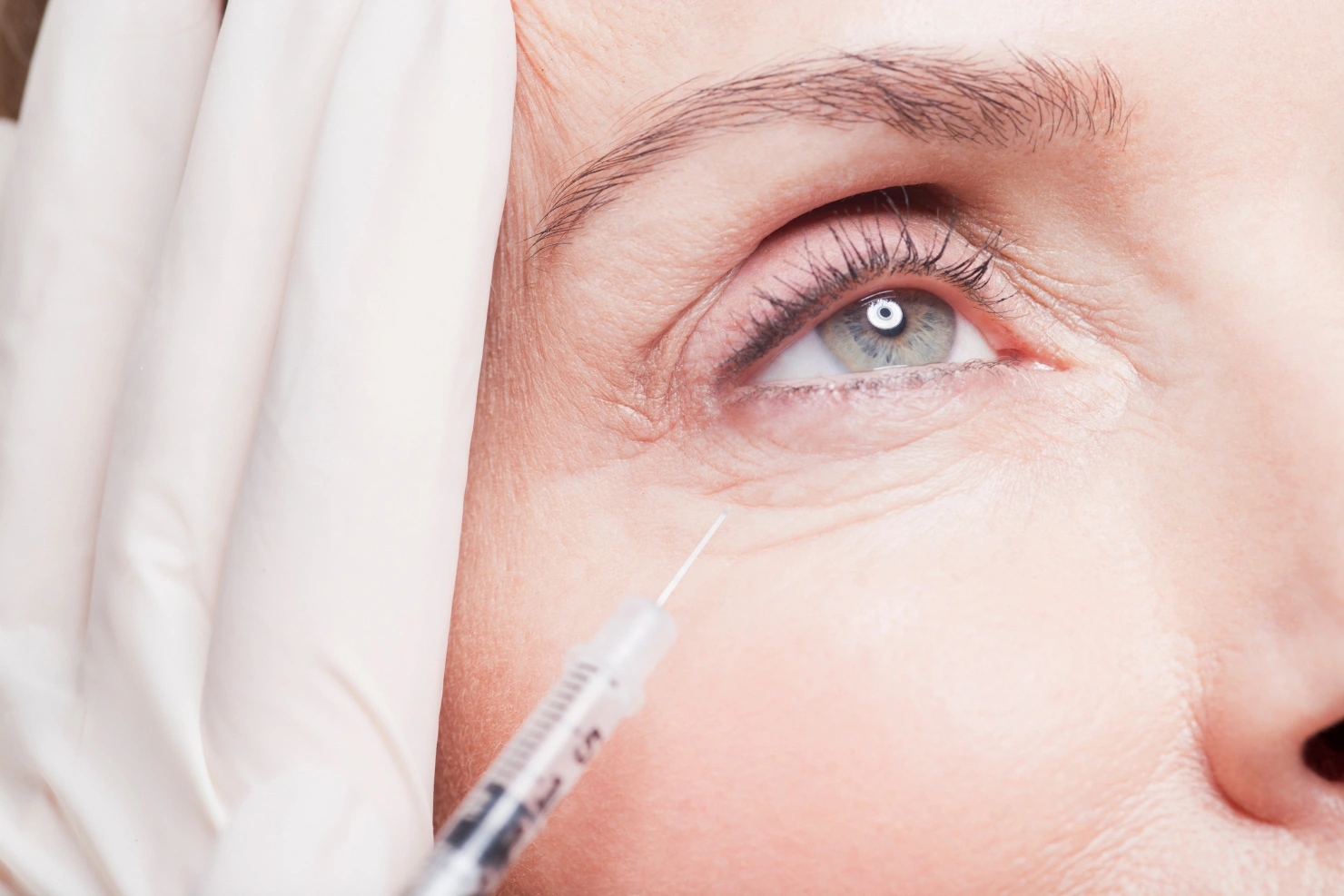
Dark under-eye circles can make the face appear tired, stressed, or older, even after a full night of sleep. Although many people treat them as a single cosmetic concern, several different factors can cause darkness beneath the eyes.
But what happens when the treatment you choose does not address the actual cause? Skin pigmentation, visible blood vessels, allergies, thinning skin, puffiness, and facial structure may all contribute. Identifying the source is therefore an important first step toward choosing a suitable treatment.
Key takeaways
- Dark circles arise from several causes.
- Correct treatment depends on accurate assessment.
- PRP supports gradual under-eye skin rejuvenation.
- Fillers target hollows, not excess pigmentation.
- Persistent changes may require medical evaluation.
What Causes Dark Under-Eye Circles?

Dark circles are not a single medical condition. They are an appearance that may develop from pigment changes, shadows, visible underlying tissue, inflammation, or a combination of these factors.
Genetics and ageing can also influence how noticeable the under-eye area becomes. Some people naturally have deeper tear troughs, thinner skin, or more pigmentation around their eyes.
Natural Pigmentation
Excess melanin can produce brown, grey, or uneven discolouration beneath the eyes. Genetics, sun exposure, dermatitis, and repeated rubbing may contribute to this form of darkness.
Inflammation from eczema or contact dermatitis may also leave post-inflammatory pigmentation after the irritation improves. Sun exposure can make existing pigment more noticeable, especially without consistent protection.
Visible Blood Vessels
The skin around the eyes is thinner than skin on many other parts of the face. Blood vessels and underlying tissues may therefore create a blue, purple, or reddish appearance.
Age-related collagen loss can make this effect more visible. People with naturally fair or thin skin may also notice stronger colour from the structures beneath the surface.
Volume Loss
Loss of fat and structural support around the lower eyelid can create a hollow known as a tear trough. Light then casts a shadow across the depression, making the area appear dark even when the skin itself is not heavily pigmented.
Facial anatomy, genetics, ageing, and changes in facial volume can all influence these shadows. The darkness may look stronger in overhead lighting and softer in direct, even light.
Allergies And Irritation
Seasonal allergies and nasal congestion can contribute to swelling and discolouration around the eyes. Itching may also lead to frequent rubbing, which can irritate delicate skin and worsen pigmentation.
Skincare products, cosmetics, fragrances, and eye drops may cause eyelid contact dermatitis in sensitive individuals. Persistent itching, scaling, burning, or redness should be assessed before cosmetic treatment is considered.
Lifestyle Factors
Poor sleep can make the face appear pale or puffy, causing existing circles to look more noticeable. Dehydration, smoking, heavy alcohol consumption, and prolonged sun exposure may also affect the skin’s overall appearance.
These factors can worsen dark circles, but they are rarely the only explanation. A person may maintain healthy habits and still have under-eye darkness because of genetics, pigmentation, visible vessels, or facial structure.
Identifying Your Type Of Dark Circles
The colour, texture, and shape of the under-eye area can provide useful clues. However, several causes often overlap, so visual clues should not replace an assessment by a qualified medical or aesthetic professional.
The following table shows common appearances and the concerns they may suggest.
| Under-Eye Appearance | Possible Cause | Common Clues |
|---|---|---|
| Brown or grey colour | Increased pigmentation | Colour remains visible in different lighting |
| Blue or purple tone | Thin skin or visible vessels | Underlying colour shows through the skin |
| Hollow-looking shadow | Tear-trough volume loss | Darkness changes noticeably with lighting |
| Puffy under-eye area | Fluid retention, allergies, or fat pads | Often more obvious after waking |
| Dry or crepey texture | Collagen loss or skin dehydration | Fine lines appear with facial movement |
| Red, itchy discolouration | Dermatitis or irritation | May include scaling, burning, or swelling |
One Treatment Cannot Address Every Cause
Under-eye products and procedures work in different ways. A treatment that improves pigmentation may do little for deep hollows, while a treatment that restores volume may not correct brown discolouration.
This is why selecting a treatment solely because it is popular can lead to disappointing results. The plan should align with the underlying concern rather than the general label “dark circles.”
For example:
- Brightening skincare may help surface pigmentation but cannot restore lost volume.
- Dermal filler may soften a tear-trough shadow but does not remove excess melanin.
- PRP may support skin quality but cannot eliminate every structural or medical cause.
- Allergy management may reduce itching and puffiness but will not correct inherited hollows.
- Surgery may address prominent fat pads but is not appropriate for mild pigmentation alone.
Solutions For Pigmented Dark Circles

Pigmented circles often appear brown or grey and may be more common in people who naturally produce more melanin. Treatment usually focuses on controlling inflammation, reducing further darkening, and gradually improving uneven colour.
Because eyelid skin is delicate, strong products should not be applied close to the eyes without professional guidance.
Daily Sun Protection
Broad-spectrum sunscreen can help prevent ultraviolet exposure from making pigmentation darker. Sunglasses and hats provide additional protection for the eye area.
A mineral sunscreen may be more comfortable for people who experience stinging around the eyes. The product should be applied carefully according to its instructions and kept out of the eyes.
Brightening Skincare
Ingredients such as vitamin C, niacinamide, azelaic acid, and selected retinoids may support a brighter, more even appearance. Product strength and placement matter because irritation can worsen post-inflammatory pigmentation.
Moisturisers that support the skin barrier may also reduce dryness and sensitivity. Sudden burning, swelling, or persistent redness is a reason to stop using a product and seek professional advice.
Professional Treatments
Chemical peels and certain laser or light-based treatments may be considered for suitable patients. Skin tone, pigment depth, medical history, and the risk of post-treatment colour changes must all be evaluated first.
Professional treatment does not guarantee complete removal. Pigmentation may require a series of sessions and continued sun protection to maintain improvements.
Solutions For Thin Or Crepey Skin
Thin under-eye skin can reveal blood vessels and create a tired appearance. Fine lines may become more noticeable as collagen levels decline with age and cumulative sun exposure.
Treatment in this situation usually focuses on skin quality rather than adding substantial volume.
PRP Under-Eye Injections
Platelet-rich plasma is prepared from a small sample of the patient’s blood. The blood is processed to concentrate platelets, and the resulting plasma is carefully administered into targeted treatment areas.
Platelets contain growth factors involved in normal tissue repair. Research suggests that PRP may support improvements in periorbital skin texture, pigmentation, and fine lines, but studies use different preparation methods and treatment schedules. Larger, standardised trials are still needed to establish the most reliable protocols and long-term results.
PRP does not behave like traditional dermal filler. It generally produces gradual changes rather than immediate, substantial volume correction.
Skin-Supporting Products
A gentle moisturiser can temporarily make dry lines less visible and support the skin barrier. Peptides and carefully selected retinoids may also be recommended depending on skin tolerance.
Products intended for the general face may be too irritating near the eyelids. A clinician can help determine which ingredients and strengths are appropriate for this sensitive area.
Pro Tip: Photograph your under-eye area in the same natural lighting before beginning a new treatment plan. Use the same camera angle, facial expression, and time of day for future photos. Consistent images provide a more reliable way to evaluate gradual changes than daily mirror checks.
Solutions For Hollows And Shadows
Structural shadows develop when the transition between the lower eyelid and cheek becomes deeper. These shadows may create darkness even when the skin has relatively little pigmentation.
The right treatment depends on anatomy, skin quality, lower-eyelid support, and the location of nearby blood vessels.
Dermal Filler
Hyaluronic acid filler may be used to soften tear-trough hollows in carefully selected patients. It works by adding volume rather than stimulating gradual skin renewal.
The under-eye area requires advanced anatomical knowledge because swelling, lumps, prolonged discolouration, migration, and vascular complications can occur. Some patients are not appropriate candidates, particularly when prominent under-eye bags or fluid retention are present.
PRP Versus Filler
PRP and filler have different treatment goals. PRP is generally used to support skin quality, texture, and gradual rejuvenation, while filler is used primarily to replace volume.
Patients with thin, crepey skin may be more interested in PRP. Patients with a distinct tear-trough depression may need structural correction, although only a qualified provider can determine whether filler is appropriate.
Surgical Options
Lower blepharoplasty may be considered when prominent fat pads, excess skin, or structural ageing cannot be adequately corrected with non-surgical treatments. The procedure may reposition or remove tissue to improve lower-eyelid contours.
Surgery involves a different level of recovery and risk. Consultation with a qualified surgeon is necessary before deciding whether it is appropriate.
Solutions For Puffiness And Under-Eye Bags
Puffiness can cast a shadow beneath swollen tissue, creating an appearance similar to dark circles. Temporary swelling may be related to sleep position, salt intake, allergies, crying, or fluid retention.
More persistent bags can develop as tissues supporting the eyelids weaken and fat shifts forward with age. The American Academy of Ophthalmology notes that home care may temporarily improve mild puffiness, while fillers, resurfacing treatments, or eyelid surgery may be considered for other concerns.
Helpful steps may include:
- Applying a cool compress for temporary swelling
- Managing diagnosed allergies appropriately
- Avoiding repeated rubbing of the eyes
- Reducing excessive salt and alcohol intake
- Maintaining a consistent sleep schedule
- Sleeping with the head slightly elevated
- Seeking assessment for persistent or one-sided swelling
When PRP May Be Considered
PRP under-eye rejuvenation may be considered by patients concerned about fine lines, thin-looking skin, uneven texture, or mild discolouration. It may also appeal to those who prefer an autologous treatment prepared from their own blood.
A typical appointment includes a blood draw, processing of the sample, and administration of the concentrated plasma. Temporary swelling, tenderness, redness, or bruising may occur after injections.
Results are not immediate and may develop gradually over several weeks. Some patients may need a series of treatments, while others may be advised that a different procedure better matches their concern.
PRP should not be presented as a guaranteed cure for dark circles. Existing studies are encouraging, but evidence remains limited by small sample sizes, inconsistent preparation methods, and differences in how outcomes are measured.
When To Seek Medical Advice
Most dark circles are cosmetic, but sudden or unusual changes should not be ignored. Medical assessment is appropriate when discolouration appears abruptly or is accompanied by other symptoms.
Seek professional advice for:
- Significant swelling affecting one eye
- Eye pain or vision changes
- Persistent redness, itching, or scaling
- Discolouration after an injury
- Severe fatigue or unexplained paleness
- Symptoms suggesting infection or an allergic reaction
- A new change linked to medication or eye drops
A clinician can determine whether the issue is cosmetic, dermatological, allergic, structural, or related to another health concern.
Choosing The Right Under-Eye Treatment
An effective plan begins with identifying the main cause of the darkness. A consultation may assess skin colour, texture, vascular visibility, tear-trough depth, puffiness, allergies, medical history, and previous treatments.
Useful questions to ask during a consultation include:
- What is causing my under-eye darkness?
- Are several factors involved?
- Is PRP appropriate for my skin concern?
- Would skincare, filler, or another treatment work better?
- What side effects and downtime should I expect?
- How many sessions may be recommended?
- How will progress be assessed?
- What results are realistic for my anatomy?
A Personalised Approach Creates Better Decisions
Dark circles do not have one universal cause or one treatment that works for everyone. Pigmentation, visible blood vessels, thin skin, volume loss, puffiness, allergies, and lifestyle factors may each require a different approach.
KenshoDerm evaluates the under-eye area before recommending treatment. A personalised consultation can help determine whether PRP under-eye injections or another option better fits your anatomy, skin condition, and goals. Contact KenshoDerm to schedule a consultation and discuss a plan for a smoother, brighter, and more refreshed under-eye appearance.