

Injectable treatments are moving beyond isolated concerns such as forehead lines, lip volume, or under-eye hollows. More aesthetic professionals now examine the entire face before recommending Botox, dermal fillers, or other injectable options. But what happens when treatment is planned around overall facial balance instead of focusing on one feature at a time?
Full-face treatment planning considers facial structure, movement, proportions, skin quality, existing volume, and long-term goals. A detailed injectable consultation helps patients understand which areas may benefit from treatment, which should remain untouched, and how each recommendation can support a refreshed appearance without unnecessarily changing recognizable features.
Key Takeaways
- Full-face planning supports balanced injectable treatment results.
- Consultations assess structure, movement, and proportions.
- Botox and fillers address different concerns.
- Conservative treatment helps preserve natural facial expression.
- Qualified providers improve safety and treatment decisions.
What Full-Face Treatment Planning Means
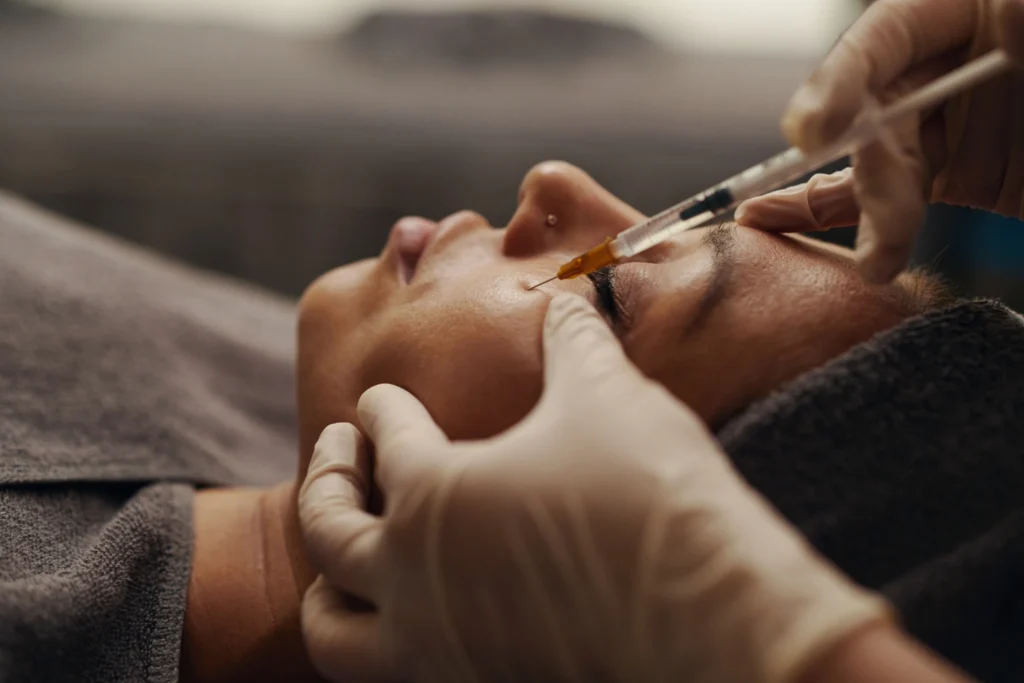
Full-face planning is a consultation approach, not a requirement to inject every area. The provider examines how the upper, middle, and lower thirds of the face relate to one another before recommending treatment.
Natural facial asymmetry is common, and differences in bone structure, soft tissue, muscle activity, and volume distribution can influence how a single treatment affects the overall appearance. A wider assessment allows the provider to develop recommendations based on the patient’s complete facial structure rather than treating one concern without considering nearby features.
For example, a patient may request filler for deeper smile lines. During the assessment, the provider may determine that changes in cheek support contribute to the shadowing around the mouth. That does not automatically mean the cheeks should be treated, but it gives the provider and patient a clearer understanding of the underlying concern.
Why Treating One Area May Not Be Enough
One facial feature rarely exists in complete visual isolation. Changes to the lips, chin, cheeks, brows, or jawline can influence how surrounding areas appear.
Adding volume to one feature without considering facial proportions may produce a result that looks noticeable rather than balanced. A comprehensive consultation can help prevent excessive treatment by identifying where small, strategic adjustments may be more appropriate than repeatedly adding product to the same area.
Full-face planning may also reveal that the requested procedure is not the most suitable option. A line caused by repetitive muscle movement may respond differently from a fold associated with reduced soft-tissue support. Skin laxity, pigmentation, and surface texture may require treatments other than injectables.
What Providers Assess During Consultations
A useful injectable consultation includes more than a quick examination of the area the patient wants treated. The provider should gather enough information to determine suitability, discuss realistic outcomes, and identify potential safety concerns.
The assessment may include:
- Facial proportions and natural asymmetry
- Muscle movement during rest and expression
- Skin thickness, texture, and elasticity
- Areas of volume loss or structural change
- Previous injections, cosmetic procedures, or surgery
- Current medications, allergies, and medical history
- Desired results and features the patient wants preserved
- Comfort with maintenance, cost, and possible downtime
Patients should disclose previous filler, laser treatments, and cosmetic surgeries because this information can affect treatment planning and may help reduce avoidable complications.
Photographs may also be taken from several angles. These provide a consistent reference for documenting the starting point, discussing asymmetry, and evaluating results after swelling or bruising has resolved.
Common Full-Face Treatment Areas
Different parts of the face raise different concerns, and they do not all require the same type of injectable. The following table shows why treatment selection should begin with an assessment rather than a predetermined product.
| Facial Area | Common Concern | Possible Injectable Approach | Planning Consideration |
|---|---|---|---|
| Upper Face | Forehead lines, frown lines, crow’s feet | Botulinum toxin product | Muscle strength, brow position, and facial expression |
| Midface | Flattened cheeks or reduced support | Dermal filler | Existing volume, symmetry, and surrounding shadows |
| Lower Face | Chin shape, jawline definition, mouth-area folds | Dermal filler or targeted toxin treatment | Profile balance, muscle activity, and soft-tissue support |
| Lips | Shape, definition, or volume | Dermal filler | Natural lip proportions, movement, and dental support |
| Full Face | Multiple connected concerns | Staged combination plan | Priority, product amount, budget, safety, and maintenance |
A consultation may conclude that one area should be treated first while another should be monitored. It may also identify areas where injecting would add little benefit or create unnecessary risk.
Botox And Fillers Serve Different Purposes

Botulinum toxin products and dermal fillers are both injectables, but they work differently. Understanding this difference helps patients avoid expecting one product to correct every type of facial concern.
Muscle-Based Lines
Botulinum toxin treatments temporarily reduce targeted muscle activity. In cosmetic dermatology, they are commonly used for expression-related concerns such as frown lines and crow’s feet. The treatment must be carefully placed because muscle strength and movement patterns vary between patients.
The goal is not always to eliminate movement. A conservative plan may soften strong contractions while preserving enough expression for a natural appearance.
Volume And Structure
Dermal fillers are injectable medical devices used to add volume, improve selected contours, or soften certain creases. Depending on the product and treatment area, filler may be used for the cheeks, lips, chin, or other approved applications.
Fillers do not address every wrinkle. A provider must determine whether the concern comes from volume change, muscle movement, skin quality, structural anatomy, or a combination of factors.
Combined Treatment
Some patients may be candidates for both treatment types because toxin and filler address different mechanisms. Others may need only one product, a skin-focused procedure, or no injectable treatment at all.
Combination treatment should be based on individual anatomy and clearly defined goals. More products do not automatically produce a better or more natural result.
Benefits Of Full-Face Consultations
A comprehensive consultation gives patients a clearer framework for making treatment decisions. It can establish priorities before any procedure begins.
Potential benefits include:
- Better understanding of facial proportions
- More realistic treatment expectations
- Reduced pressure to treat every concern
- Clearer product and placement recommendations
- Opportunities to stage treatments gradually
- Better planning for maintenance and cost
- Earlier identification of unsuitable treatments
- More informed discussions about risks and alternatives
This process can be especially valuable for first-time patients who may know the name of a popular treatment but remain unsure whether it matches their concern.
Natural Results Depend On Balance
Natural-looking treatment does not mean that every facial feature must become perfectly symmetrical. Most faces contain normal differences between the left and right sides, and attempting to erase every variation may require unnecessary product.
The provider should consider how the face looks at rest and during movement. A treatment that appears balanced in a still photograph may behave differently when the patient smiles, speaks, raises the brows, or turns to the side.
Subtle treatment often depends on restraint. Preserving recognizable proportions and expressions can be more important than correcting every visible line.
Pro Tip: Bring clear photographs of yourself from several years earlier to your consultation. Personal photos can show your natural cheek shape, lip proportions, and facial contours before age-related changes occurred. They may provide a more realistic reference than celebrity images, which reflect another person’s anatomy and proportions.
Full-Face Planning Does Not Mean Treating Everything
The phrase “full-face” can create the mistaken impression that the entire face will receive injections during one appointment. In practice, the term describes the scope of the assessment, not the number of procedures performed.
A responsible plan may recommend:
- Treating one priority area first
- Using a conservative product amount
- Separating treatments across appointments
- Waiting to evaluate the first result
- Choosing a non-injectable option
- Avoiding treatment in a higher-risk area
- Taking no immediate action
Staging treatment can make it easier to evaluate changes before adding another procedure. It can also help the patient manage cost, recovery, and maintenance without rushing into a large treatment plan.
Injectable Risks Require Clear Discussion
Injectables are medical procedures, and a consultation should include an honest explanation of expected reactions and uncommon but serious complications.
Common temporary filler reactions can include redness, tenderness, bruising, pain, itching, and swelling. The most serious filler complication occurs when material is accidentally injected into a blood vessel, which can damage tissue and, in rare cases, affect vision.
Botulinum toxin injections may cause temporary soreness, swelling, redness, bruising, or headache. Less common effects can include unwanted weakness or drooping in nearby muscles. FDA-approved botulinum toxin products also carry warnings about rare spread of toxin effects beyond the injection site.
Patients should receive instructions explaining what symptoms require urgent medical attention. They should also know the exact product being recommended and understand why it is suitable for the intended area.
Questions To Ask Your Provider
Patients should leave the consultation with specific information rather than general promises. Asking direct questions can clarify the plan and reveal whether the recommendations match personal goals.
Useful questions include:
- Which concern should be treated first?
- What is causing the line or contour change?
- Which product are you recommending?
- Is the proposed use FDA-approved for this area?
- What results are realistic for my anatomy?
- How much product may be needed?
- What side effects should I expect?
- Which symptoms require immediate attention?
- How often might maintenance be required?
- What happens if I decide not to proceed?
A qualified provider should be willing to discuss limitations as openly as benefits.
Choosing A Qualified Provider
Safe injectable treatment requires detailed knowledge of facial anatomy, muscles, nerves, blood vessels, and product behavior. Cosmetic procedures may appear simple, but they require medical knowledge of the skin and the structures beneath it.
Look for a properly licensed medical professional with training and experience in cosmetic injections. Ask to see before-and-after photographs of their own patients and confirm that treatment takes place in an appropriate medical environment.
Avoid injectable treatments at homes, parties, salons, or other non-medical settings. Patients should also avoid needle-free filler devices because regulators and dermatology organizations have warned that they can cause serious injuries.
What To Expect At KenshoDerm
At KenshoDerm, an injectable consultation begins with understanding the patient’s concerns, treatment history, and desired level of change. The facial assessment considers structure, movement, skin characteristics, proportions, and the relationship between different facial areas.
Treatment options may include Botox, dermal fillers, a staged combination plan, or another approach that better matches the concern. Recommendations should include realistic expectations, possible side effects, recovery considerations, estimated maintenance, and an opportunity to ask questions before deciding whether to proceed.
The consultation fee may be applied toward treatment when the patient chooses to move forward. This gives patients time to understand the proposed plan before committing to an injectable procedure.
Final Thoughts
Full-face treatment planning represents a shift from product-led appointments toward more complete facial assessment. It helps patients understand that the most noticeable concern may not always reveal the full cause or the most appropriate treatment.
A careful consultation considers anatomy, movement, proportions, safety, and long-term goals before recommending injections. Schedule an injectable consultation with KenshoDerm to discuss a personalized plan focused on balanced, natural-looking results and informed treatment decisions.