
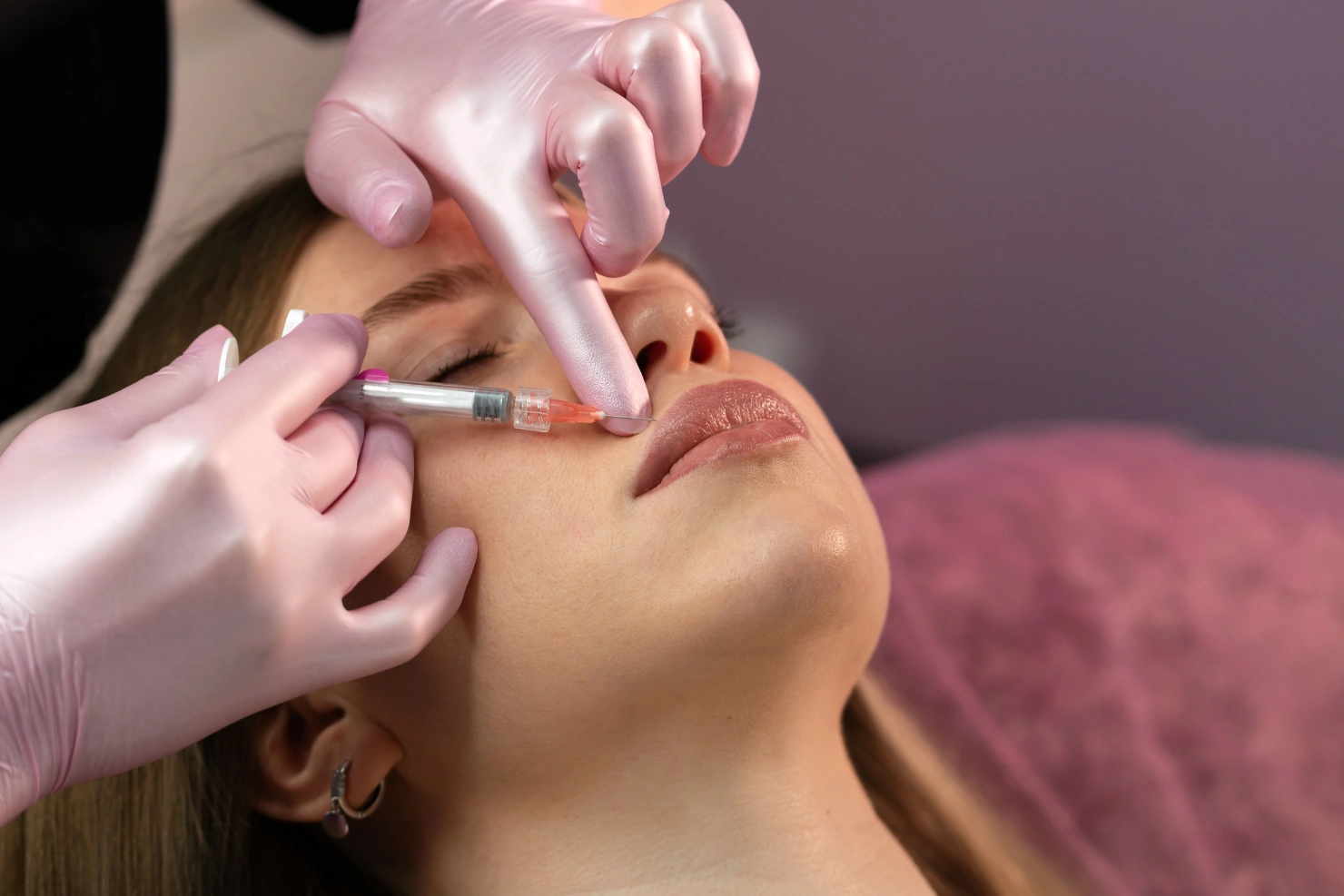
Thin lips do not always require a noticeable increase in volume to appear fuller and more defined. Small, carefully planned changes can enhance shape, improve symmetry, and create a stronger outline while preserving natural facial proportions.
“But can lip filler make thin lips look fuller without creating an overfilled or unnatural appearance?“
The goal does not have to be bigger lips. It can simply be better definition and balance. Hyaluronic acid dermal fillers are commonly used to add volume and fullness to the lips. Depending on the product, placement, and individual anatomy, treatment can also address contours and asymmetry. The best approach begins with an assessment of the person’s existing lip structure and desired result rather than choosing volume alone as the measure of success.
Key Takeaways
- Subtle filler can enhance thin lips.
- Definition matters as much as volume.
- Facial proportions should guide filler placement.
- Conservative treatments help preserve natural appearance.
- Skilled injectors can improve lip symmetry.
What Makes Thin Lips Look Less Defined
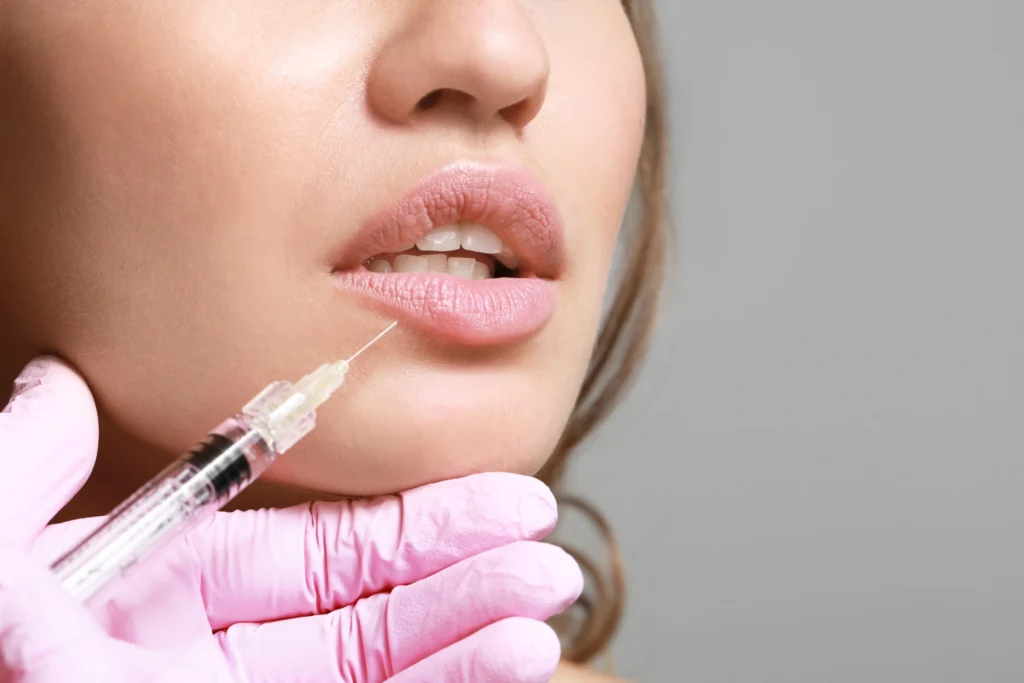
Lip appearance is influenced by several features working together. Actual lip volume matters, but border definition, symmetry, proportions, and age-related changes can also affect whether the lips appear thin.
Two people with similar lip volume may therefore have very different appearances. One may have naturally defined borders and a visible Cupid’s bow, while another may have softer contours that make the lips appear less prominent.
Lip Border Definition
The vermilion border is the transition between the colored portion of the lip and the surrounding skin. When that border is naturally subtle, the lips can appear less defined even if there is adequate tissue volume.
Carefully selected filler placement may help reinforce portions of the lip contour. The objective does not necessarily have to be projection or substantially larger lips.
Uneven Lip Shape
Perfect facial symmetry is uncommon. One side of the lip may naturally sit higher, extend farther, or carry slightly more volume than the other.
Targeted filler placement can sometimes improve visible asymmetry. The amount and location should be based on the patient’s anatomy because simply injecting equal amounts on each side does not automatically create better balance. Lip filler is used for purposes that include increasing volume and improving symmetry.
Age-Related Changes
Lips can become thinner and less defined with age. Changes in surrounding facial tissues may also alter how prominent the lips appear.
The American Society of Plastic Surgeons notes that lip thinning can become noticeable with aging and that filler treatment can range from light enhancement to greater fullness depending on individual needs.
More Volume Is Not Always Better
A common misconception is that noticeable lip enhancement requires a large amount of filler. In practice, treatment goals can vary considerably, and larger volume does not automatically produce a more flattering result.
Facial proportions, existing anatomy, previous filler, and personal preferences all influence an appropriate treatment plan. A conservative approach may be particularly appealing to someone who wants others to notice a refreshed appearance rather than obviously augmented lips.
Subtle treatment may focus on:
- Improving definition around selected lip borders
- Refining the shape of the upper lip
- Correcting small areas of visible asymmetry
- Creating better upper-to-lower lip balance
- Restoring some fullness lost with age
- Adding modest volume without dramatically changing projection
Incremental treatment can also make it easier to assess how a smaller change works with the rest of the face before considering additional filler.
Subtle Lip Filler Can Create Fuller-Looking Lips
Hyaluronic acid fillers can add volume to thin lips, but their usefulness is not limited to making the lips dramatically larger. Treatment planning can also emphasize contour, proportion, and specific areas requiring support.
The visual effect depends heavily on where filler is placed. A small change to a poorly defined area can sometimes influence the overall appearance more than simply adding volume throughout the entire lip.
Improving Lip Shape
Some patients already have adequate central volume but feel their lips lack shape. In these cases, treatment may concentrate on selected contours rather than uniformly increasing size.
An injector should consider the natural curvature and movement of the lips instead of attempting to reproduce the same lip shape for every patient.
Defining Cupid’s Bow
The Cupid’s bow is the double curve at the center of the upper lip. Greater definition in this area can make the upper lip appear more structured and visually distinct.
Treatment should remain proportionate to the surrounding lip. Overemphasizing a single feature can create a result that appears disconnected from the patient’s natural anatomy.
Balancing Lip Proportions
The upper and lower lips do not necessarily need the same amount of filler. Existing size, projection, shape, and facial proportions should determine which areas receive treatment.
For someone with a naturally thinner upper lip, for example, strategically placed filler may improve balance without significantly enlarging the lower lip.
Lip Filler Goals Compared
Different cosmetic concerns can require different treatment strategies. Separating the goal from the amount of filler helps patients understand that lip enhancement is not simply a choice between thin and dramatically full lips.
| Treatment Goal | Primary Focus | Possible Visual Change |
|---|---|---|
| Subtle fullness | Selected areas needing volume | Slightly fuller appearance |
| Stronger definition | Lip borders and contours | Clearer lip outline |
| Better symmetry | Uneven areas | More balanced appearance |
| Cupid’s bow enhancement | Central upper lip | More defined upper-lip shape |
| Greater overall volume | Broader lip augmentation | More noticeable size increase |
The exact approach depends on anatomy, the filler selected, and the clinical judgment of the treating professional. Dermal filler products also have specific FDA-approved indications, so patients should discuss the proposed product and treatment area with their injector.
What Natural-Looking Lip Filler Should Consider

Natural-looking lip enhancement starts with the features a patient already has. Treatment should complement those features rather than impose a predetermined lip shape.
A consultation gives the injector an opportunity to evaluate anatomy, discuss expectations, review medical history, and determine whether filler is appropriate.
Facial Proportions Matter
Lips are viewed as part of the entire lower face. Their relationship with the nose, chin, jawline, and surrounding soft tissues contributes to the overall appearance.
A lip size that looks balanced on one face may look disproportionate on another. This is one reason treatment should be personalized rather than based solely on a reference photograph.
Existing Lip Anatomy
Natural lip structure determines where filler can create the most useful change. Some lips may benefit primarily from added volume, while others may need more attention to border definition or asymmetry.
Previous filler also matters. Patients should tell their provider about previous injectable treatments, including the products used when known.
Personal Treatment Goals
“Fuller lips” can mean different things to different people. One patient may want barely noticeable definition, while another wants a visible increase in volume.
Discussing the preferred degree of change before treatment helps create realistic expectations and allows the injector to explain what can reasonably be achieved.
Pro Tip: Bring photographs that illustrate the level of lip fullness you like, but treat them as communication references rather than exact templates. Your injector should adapt the treatment to your own anatomy, facial proportions, and existing lip shape.
Signs You May Prefer Subtle Enhancement
Dramatic augmentation is not the only reason someone may consider lip filler. A conservative treatment may better suit patients whose main concern is definition, balance, or a modest increase in fullness.
Possible goals include:
- Making naturally thin lips slightly more prominent
- Improving a poorly defined lip border
- Addressing mild visible asymmetry
- Restoring some age-related lip fullness
- Creating a clearer Cupid’s bow
- Improving the balance between upper and lower lips
- Achieving a refreshed look without an obvious size change
A consultation is important because filler is a medical procedure, not simply a beauty service. The American Academy of Dermatology recommends receiving injectable filler in an appropriate medical setting from a qualified medical professional.
What To Expect From Conservative Treatment
Even subtle lip filler involves the same need for careful medical evaluation and safe injection technique as larger-volume treatment. Patients should understand the treatment process, expected temporary effects, and possible complications before proceeding.
A qualified injector should review the planned product, treatment areas, expected outcome, and relevant risks during the consultation.
During The Treatment
The injector first evaluates lip anatomy and determines where filler should be placed. The exact injection technique varies according to the product, anatomy, and treatment goal.
FDA guidance recommends using appropriately labeled, FDA-approved filler products and receiving treatment from a licensed healthcare provider experienced with dermal fillers and facial anatomy.
After The Treatment
Temporary swelling, bruising, redness, tenderness, or discomfort can occur after dermal filler injections. These effects commonly begin shortly after treatment and often resolve over days to weeks.
Because initial swelling can temporarily exaggerate lip size, patients should not judge subtle results solely by their appearance immediately after injection.
Final Lip Appearance
As early swelling decreases, the appearance becomes more representative of the filler itself. A 2025 volumetric study reported measurable changes in lip volume between the immediate post-injection period and two weeks later, illustrating how early swelling can influence initial appearance.
Follow-up recommendations vary by provider and product, so patients should follow the specific instructions given after treatment.
Avoiding The Overfilled Look
Avoiding an overfilled appearance involves more than simply choosing a small syringe amount. The location of filler, existing lip anatomy, previous treatments, product characteristics, and timing between treatments all matter.
Patients seeking subtle results should communicate that preference clearly before treatment. Allowing initial swelling to settle before deciding whether more filler is desirable can also provide a more accurate view of the result.
Repeatedly adding filler without assessing the existing lip structure may eventually work against the original goal of maintaining natural proportions. A thoughtful treatment plan should prioritize the patient’s anatomy over a specific volume target.
Dermal fillers also carry risks. Common effects include swelling and bruising, while rare but serious complications can occur if filler is unintentionally injected into a blood vessel. The FDA identifies vascular occlusion as the most concerning complication because it can lead to tissue damage and, in severe cases, vision abnormalities or stroke.
What We Can Do
At Kenshoderm, we assess your lip shape, proportions, symmetry, and goals before treatment. We create a personalized filler plan focused on subtle definition, balanced volume, and natural-looking enhancement for you.
Choosing Fuller Lips Without Losing Your Natural Look
Thin lips do not automatically need dramatic volume to become more noticeable. Sometimes improving a border, refining the Cupid’s bow, addressing asymmetry, or adding modest fullness can produce the type of enhancement a patient actually wants.
Hyaluronic acid fillers provide options for treating thin lips and improving fullness, but successful treatment depends on appropriate patient selection, product choice, injection technique, and realistic expectations.
The most useful starting point is a consultation focused on your individual anatomy rather than a predetermined amount of filler. At Kenshoderm, the goal is to understand the change you want and determine an approach that keeps your lips balanced with the rest of your facial features.