
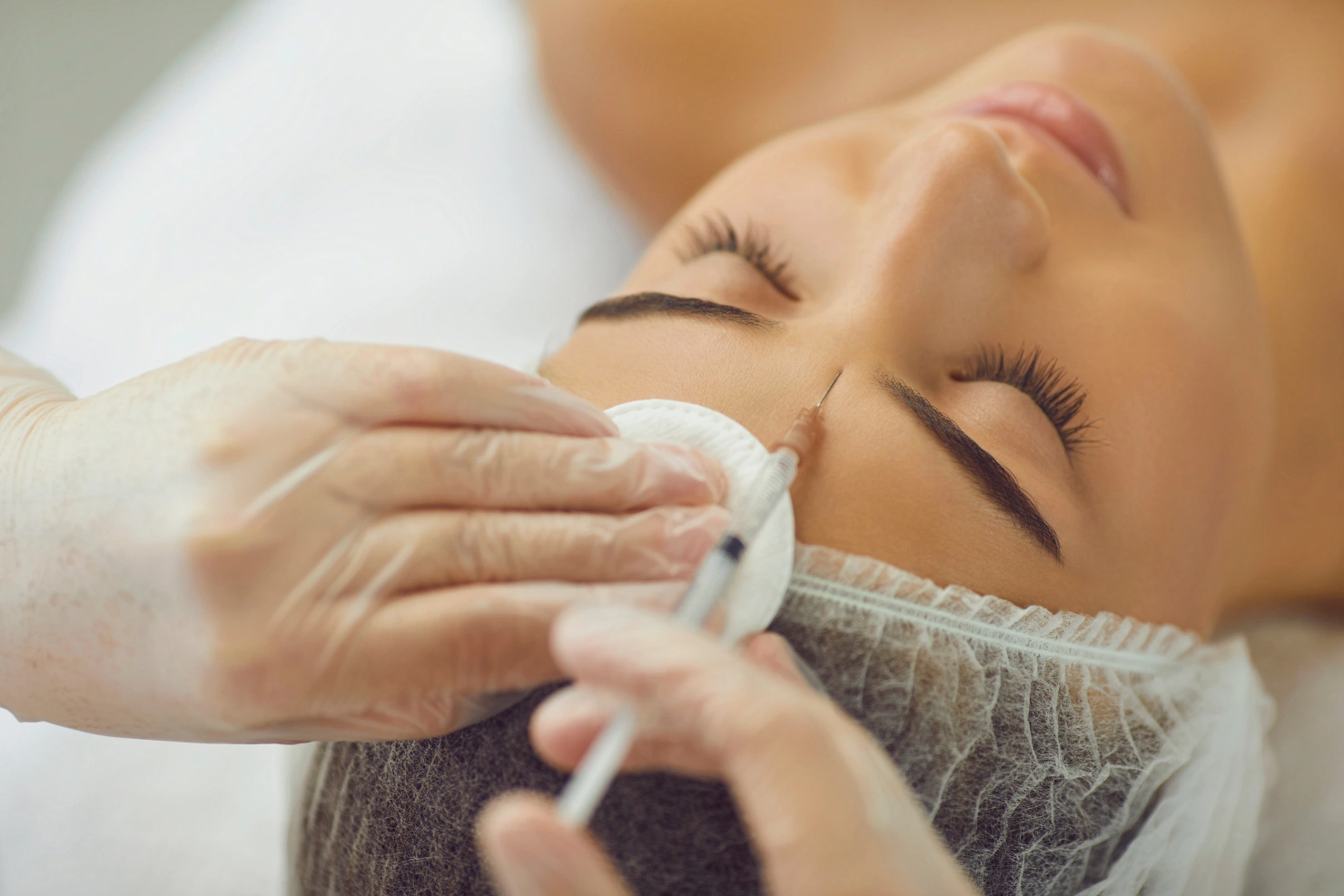
Forehead lines can become more noticeable with repeated facial expressions, sun exposure, and natural changes in the skin over time. But can Dysport smooth those lines without leaving your forehead looking stiff or expressionless? With careful treatment planning, neuromodulators can reduce muscle activity while maintaining a natural-looking appearance.
Dysport is FDA-approved for temporarily improving moderate to severe frown lines between the eyebrows in adults under 65. Providers may also use it off-label in other facial areas, including horizontal forehead lines, when clinically appropriate. The goal should be balance—not eliminating every bit of facial movement.
Key Takeaways
- Natural Dysport can preserve facial movement.
- Forehead treatment requires careful injection planning.
- Brow position affects overall treatment results.
- Conservative dosing helps avoid frozen expressions.
- Skincare and Dysport address different concerns.
What Causes Forehead Lines To Become More Noticeable?

Forehead lines often begin as dynamic wrinkles, meaning they appear when you raise your eyebrows or make certain facial expressions. Over time, repeated movement combined with changes in skin elasticity can make those lines more noticeable even when the forehead is relaxed.
Several factors can influence how quickly forehead lines become visible:
- Repeated contraction of the frontalis muscle
- Natural reductions in collagen and skin elasticity with age
- Cumulative ultraviolet exposure
- Genetics and individual facial anatomy
- Smoking and other lifestyle factors that affect skin quality
Skin care can support hydration, texture, and overall skin health, but topical products cannot temporarily reduce muscle contraction in the same way a neuromodulator can.
How Dysport Works On Facial Wrinkles
Dysport, or abobotulinumtoxinA, is a prescription botulinum toxin type A product. It works by reducing the release of acetylcholine at the neuromuscular junction, temporarily decreasing activity in the targeted muscles.
For its FDA-approved cosmetic indication, Dysport temporarily improves moderate to severe frown lines associated with activity of the corrugator and procerus muscles between the eyebrows. Its effect gradually wears off as nerve signaling recovers.
When Dysport is used elsewhere in the upper face, including the forehead, that use is off-label. A qualified injector must consider facial anatomy, muscle strength, existing asymmetry, brow position, and the amount of natural movement a patient wants to maintain.
Why Some Treatments Can Look Frozen
A smooth forehead and a completely motionless forehead are not the same thing. Neuromodulator treatments can look unnatural when muscle activity is reduced more than necessary for the patient’s anatomy or desired result.
Factors that may contribute to an overly stiff appearance include:
- Using more product than appropriate for the treatment goal
- Treating the forehead without considering brow position
- Placing injections without accounting for individual muscle patterns
- Trying to eliminate every visible line
- Failing to discuss how much movement the patient wants to preserve
The forehead muscles have functional relationships with other muscles around the eyebrows and eyes. This is one reason upper-face treatment requires more than simply identifying a wrinkle and injecting directly around it.
Natural-Looking Dysport Starts With A Thoughtful Plan
Natural results begin before an injection is given. An injector should assess the way your face looks both at rest and during movement to understand which muscles are contributing to your concerns.
Treatment also needs to account for differences between patients. Two people with similarly visible forehead lines may require very different approaches.
Facial Movement Assessment
An injector may ask you to raise your eyebrows, frown, smile, or relax your face during an assessment. These expressions help reveal muscle strength, asymmetry, and the direction of movement across the upper face.
Examining movement is especially important because horizontal forehead lines are produced largely by the frontalis muscle, which also helps elevate the eyebrows.
Conservative Treatment Planning
Reducing muscle activity does not necessarily require removing all movement. A conservative approach can prioritize softening noticeable lines while maintaining facial expression when that matches the patient’s goals.
The appropriate approach varies based on anatomy, previous treatments, muscle strength, age, brow position, and other individual factors.
Strategic Injection Placement
Placement matters because nearby muscles may have opposing functions. Reducing the activity of one group can change the balance of the eyebrows or upper face.
A trained medical professional must understand these relationships before deciding where treatment is appropriate.
Forehead Movement And Brow Position Are Connected
The frontalis is the primary muscle responsible for raising the eyebrows. Because it also creates horizontal forehead lines when it contracts, weakening it too aggressively can potentially contribute to a heavy-looking brow in some patients.
An experienced injector therefore evaluates the entire upper face rather than treating individual wrinkles in isolation. Existing eyelid or brow position, natural asymmetry, forehead height, muscle strength, and previous treatments can all influence planning.
This balance becomes especially important for patients who naturally use their forehead muscles to help maintain brow position. The objective may be to reduce unwanted lines while retaining enough muscle activity for a result that still looks like the patient’s normal face.
What Natural-Looking Results Can Mean
There is no universal definition of the perfect Dysport result. Some patients prefer considerable movement, while others want stronger wrinkle reduction. The following table shows useful differences between a balanced result and signs that treatment may feel too restrictive.
| Treatment Area | Balanced Treatment Goal | Possible Concern |
|---|---|---|
| Forehead movement | Softer lines with some expression | Very limited eyebrow movement |
| Brow position | Natural position for the patient’s anatomy | Brows feel unusually heavy |
| Facial expression | Expressions remain recognizable | Upper face appears unusually rigid |
| Wrinkle visibility | Dynamic lines become less noticeable | Expectation that every etched line disappears |
| Overall appearance | Refreshed without obvious treatment | Result looks noticeably different from normal expression |
The result should ultimately reflect the patient’s anatomy and preferences rather than a standard amount of movement applied to everyone.
Can Dysport Stop Forehead Lines From Getting Deeper?
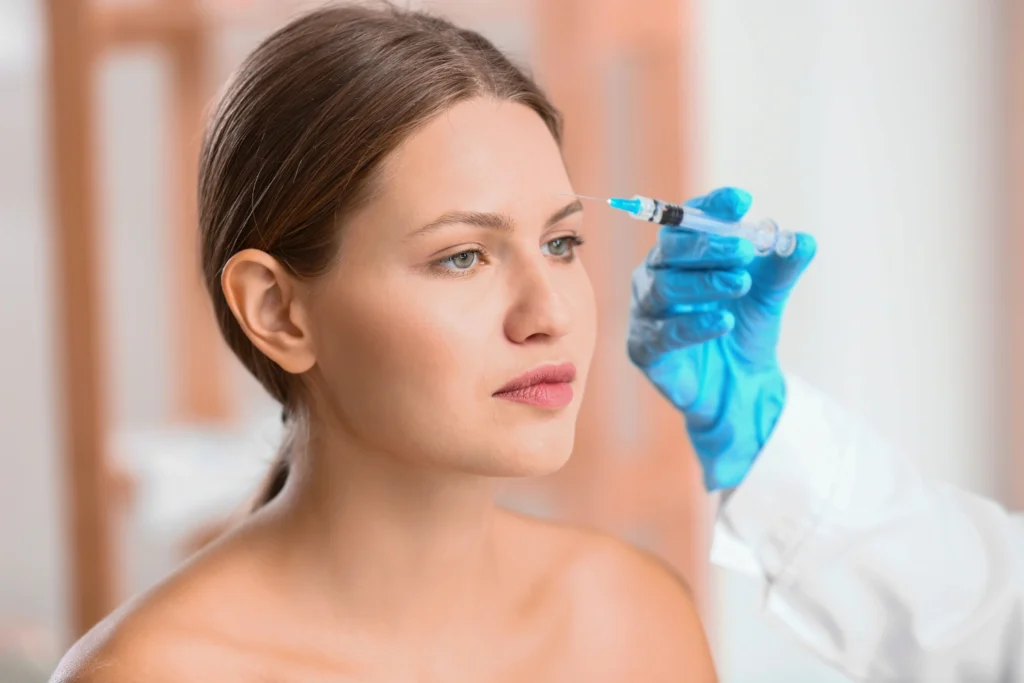
Neuromodulators temporarily reduce the muscle activity that contributes to dynamic wrinkles. Reducing repetitive movement may therefore lessen the continual folding of skin in treated areas while the medication is active.
However, Dysport does not stop skin aging. Collagen changes, sun exposure, genetics, and other factors continue to influence wrinkle development.
Lines that remain visible when the face is completely relaxed may also involve changes within the skin itself. Those static wrinkles may not disappear completely with neuromodulator treatment alone.
Pro Tip: Tell your injector how much eyebrow and forehead movement you want to keep before treatment. Showing your normal expressions can help establish a treatment goal focused on softer lines rather than eliminating every visible movement.
What To Expect After Dysport Treatment
Dysport does not produce its final effect immediately. Changes develop as the targeted muscle activity decreases following treatment.
For Dysport’s approved treatment of glabellar lines, manufacturer clinical data indicate that some study participants noticed improvement within 24 hours, while more than half reported improvement within two to three days. Results vary from person to person.
When Results Develop
Patients should allow time for the treatment effect to develop rather than judging the outcome immediately after leaving an appointment.
The exact onset in off-label forehead treatment cannot be assumed to match clinical trial findings for glabellar lines, since those studies evaluated the approved area.
How Long Results Last
Clinical studies of Dysport for glabellar lines demonstrated treatment effects lasting as long as five months in some participants, although duration varies. Factors such as individual response, muscle activity, treatment area, and treatment history can influence how long a patient notices results.
Temporary Treatment Effects
Injection-site reactions can occur after injectable treatments. Dysport also carries important warnings and potential adverse effects, including the rare possibility that botulinum toxin effects can spread beyond the injection area.
Patients should review their medical history, medications, previous botulinum toxin treatment, allergies, and neuromuscular conditions with their provider before receiving treatment.
First-Time Patients Worried About Looking Frozen
Concern about losing facial expression is common among people considering a neuromodulator for the first time. A consultation provides an opportunity to explain exactly what you want your face to look like after treatment.
Rather than asking simply for a “smooth forehead,” be specific about your priorities. For example, tell your injector if maintaining eyebrow movement matters to you or if you prefer only subtle softening.
First-time patients should also understand that another person’s dose or injection pattern is not a useful template. Facial structure and muscle activity differ considerably between individuals.
Dysport And Skincare Serve Different Purposes
A quality skincare routine remains valuable even when someone chooses injectable treatment. Sunscreen, moisturizers, retinoids when appropriate, and other evidence-based products can address aspects of skin health that a neuromodulator does not.
Dysport primarily affects targeted muscle activity. Skincare acts on the skin itself. That distinction explains why combining appropriate skin care with professional aesthetic treatment may address different contributors to an aging appearance.
Neither approach should be presented as a replacement for the other.
Who May Be A Candidate For Dysport?
Dysport’s FDA-approved cosmetic use is for temporary improvement of moderate to severe glabellar lines in adults under age 65. Treatment decisions outside that approved indication require an individualized medical assessment.
A consultation may be appropriate for someone who:
- Is bothered by expression-related upper-face wrinkles
- Wants a temporary, nonsurgical treatment
- Understands that individual results vary
- Has realistic expectations about wrinkle reduction
- Wants to preserve a natural degree of facial expression
- Is medically appropriate for botulinum toxin treatment
Suitability cannot be determined from wrinkle appearance alone.
When Dysport May Not Be Appropriate
Dysport is a prescription medication and should be administered only after appropriate medical evaluation. Patients should tell their provider about their medical conditions, medications, previous reactions to botulinum toxin products, and planned or recent procedures.
Extra caution is particularly important for people with certain neuromuscular disorders because botulinum toxin products may increase the risk of clinically significant effects. Dysport also carries a boxed warning regarding the potential distant spread of toxin effect.
Pregnancy, breastfeeding, infection at a proposed injection site, allergies, and other health considerations should also be discussed with a qualified healthcare professional before treatment.
The Goal Is Softer Lines, Not A Motionless Forehead
A successful aesthetic treatment should fit the individual face rather than chase a completely wrinkle-free appearance. For patients considering Dysport in the upper face, maintaining appropriate movement and brow balance can be just as important as reducing visible lines.
Because Dysport is FDA-approved for glabellar lines and forehead treatment is an off-label use, selecting an experienced medical injector and discussing realistic goals are essential. Thoughtful assessment, individualized placement, and appropriate dosing can help create a result that looks refreshed without making facial expression feel unnecessarily restricted.
Book Your Dysport Consultation In Arlington
If forehead lines are becoming more noticeable but you are concerned about looking frozen, a personalized consultation can help clarify your options. At KenshoDerm, we can evaluate your facial movement, discuss the amount of expression you want to maintain, and determine whether Dysport is appropriate for your goals.