
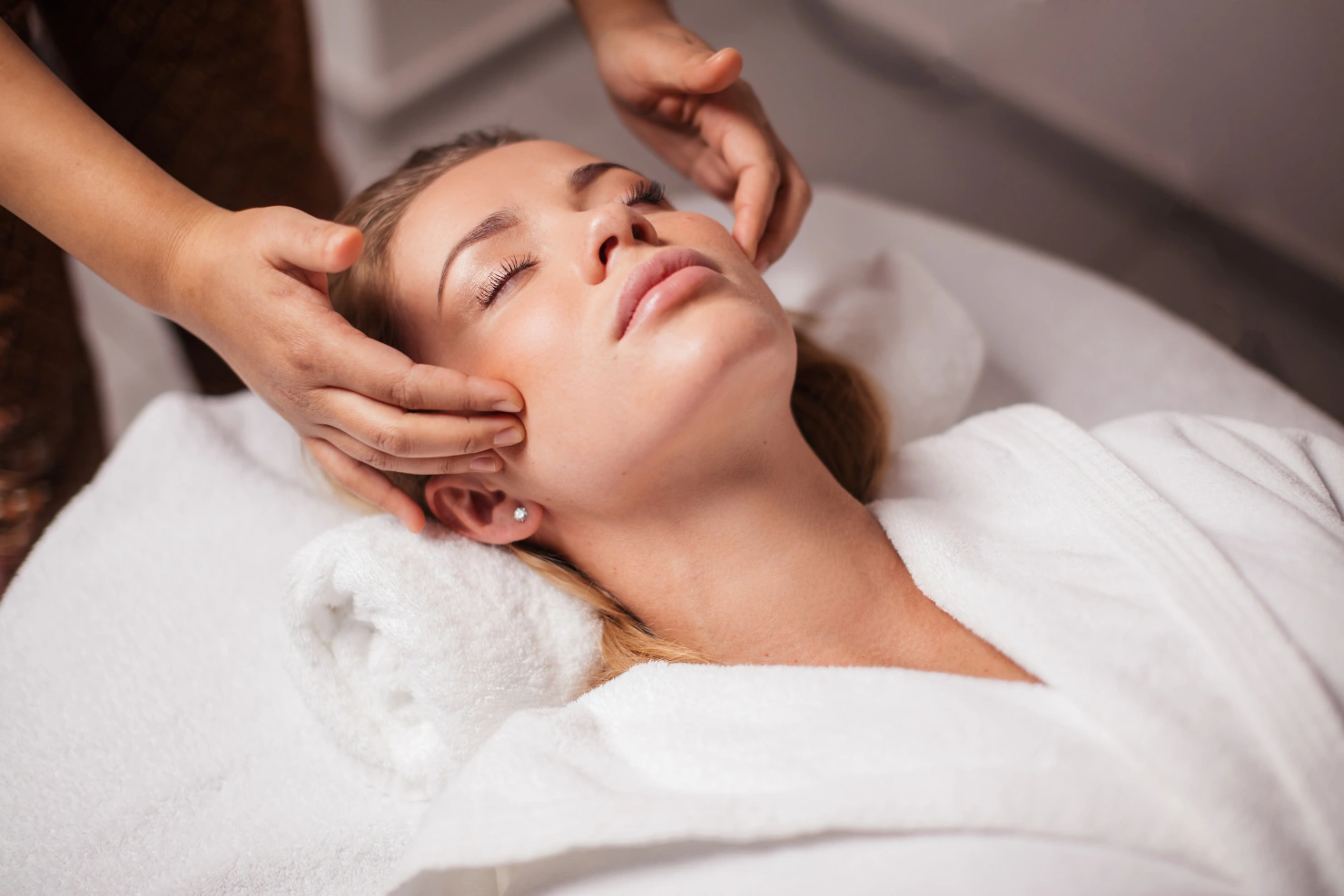
Healthy hair starts long before it reaches the surface. More people are paying attention to the scalp because it plays a major role in how hair looks, feels, and grows over time. A dry, congested, irritated, or under-stimulated scalp can make hair appear weaker, flatter, or less full.
Could a healthier scalp be the missing step behind fuller, stronger, better-looking hair? Scalp microneedling has become a growing treatment option for people who want to support scalp circulation, collagen response, and follicle health without surgery. At KenshoDerm, Scalp Microneedling is offered as a professional hair care treatment that helps refresh the scalp environment and support stronger-looking hair over time.
Key Takeaways
- Healthy scalp supports stronger hair growth.
- Microneedling stimulates circulation and collagen response.
- Nourishing serums help refresh scalp health.
- Professional treatment is safer than DIY.
- Consistency improves long-term scalp support.
Why Scalp Health Is Getting More Attention
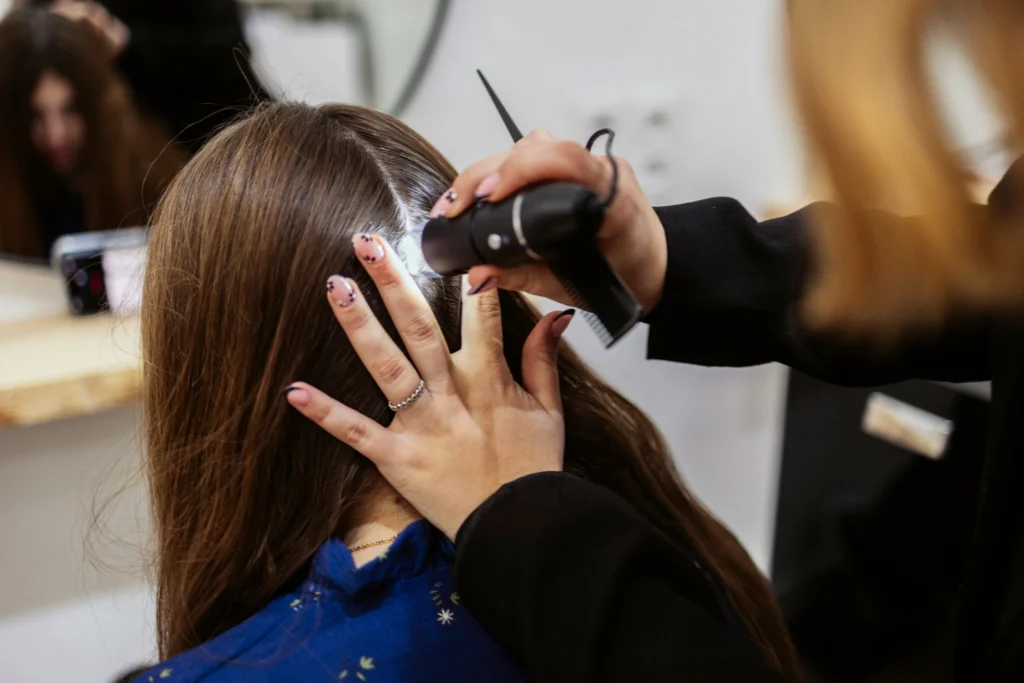
Scalp care is no longer treated as an afterthought. Many people now understand that hair products alone may not address the skin where hair growth begins.
The scalp contains follicles, oil glands, blood vessels, and skin cells that all affect hair health. When this environment becomes irritated, dry, or congested with buildup, hair may look dull, fragile, or thinner near the roots. Healthy scalp care focuses on improving the foundation instead of only coating the hair shaft.
Common scalp issues can include:
- Dryness or tightness
- Flaking or dandruff-like buildup
- Excess oil around the roots
- Itching or irritation
- Weak-looking hair near the scalp
- Reduced volume or density
- Slow results from hair products
This is why treatments focused on the scalp are becoming more popular. Clients want care that supports the root area, not just the visible strand.
What Scalp Microneedling Does For The Scalp
Scalp microneedling uses tiny, controlled needles to create micro-channels on the scalp. These controlled micro-injuries encourage the body’s natural repair response.
This process may support collagen production, blood flow, and better absorption of nourishing topical serums. The goal is to create a healthier scalp environment that can support stronger-looking hair and better follicle function over time.
Microneedling is already widely used in aesthetics for skin renewal. On the scalp, the same basic idea is applied with a hair wellness focus. The treatment does not force hair to grow overnight. It supports the conditions that help the scalp function better.
The Connection Between Circulation And Hair Growth
Hair follicles need a healthy supply of oxygen and nutrients. Blood flow helps deliver those resources to the scalp and supports the tissue around each follicle.
When circulation is poor, the scalp may not receive the same level of support. Scalp microneedling helps stimulate the treatment area, which may encourage better circulation and scalp activity. This matters because healthier scalp function can improve the way hair looks and feels near the root.
Follicle Support
Hair follicles sit within the scalp skin. If the scalp is inflamed, dry, or congested, the follicle environment can become less balanced.
Scalp microneedling helps refresh the area around the follicles. This can be useful for clients who notice early thinning, weak-looking roots, or a loss of fullness.
Collagen Response
Microneedling is often called collagen induction because it encourages the skin’s natural repair process. Collagen supports the structure and resilience of skin.
On the scalp, this response may help improve the quality of the skin that surrounds the follicles. A stronger scalp environment can support healthier-looking hair over time.
Scalp Balance
A balanced scalp is not too dry, too oily, or constantly irritated. Scalp microneedling can be paired with nourishing serums to hydrate and support the skin after treatment.
This step helps calm and replenish the scalp while making the treatment feel more complete.
Scalp Microneedling Vs. Regular Hair Care Products
Shampoos, conditioners, oils, and leave-in products can help maintain hair and scalp cleanliness. They can reduce buildup, add moisture, and improve the feel of the hair.
Scalp microneedling works differently. It focuses on controlled stimulation of the scalp itself. Instead of sitting on the surface, the treatment creates micro-channels that help the scalp respond and allow nourishing formulas to support the treatment area more effectively.
Regular products are still important. They help maintain the scalp between appointments. Scalp microneedling adds a professional layer of support for clients who want more than basic at-home care.
Common Signs Your Scalp Needs More Support
Your scalp often gives signs before hair concerns become more noticeable. Paying attention early can help you take better care of the root environment.
You may benefit from a scalp-focused treatment if you notice:
- Hair looks thinner near the part line
- Roots feel weaker or flatter than before
- The scalp feels dry, tight, or itchy
- Flaking keeps returning after washing
- Hair feels fragile around the crown or hairline
- Styling products no longer create the same fullness
- The scalp feels congested or coated
- Hair improvement feels slow despite product use
These signs do not always mean a serious hair loss condition is present. They do suggest the scalp may need better support. A professional consultation can help determine the right approach.
What Happens During A Scalp Microneedling Treatment
A scalp microneedling session is structured to stimulate, refresh, and nourish the scalp. At KenshoDerm, the treatment experience includes microneedling, scalp massage, and a nourishing infusion.
The goal is to make the treatment effective while keeping the process comfortable and clear.
Scalp Assessment
The provider reviews your scalp and areas of concern. This may include thinning areas, dryness, irritation, buildup, or sensitivity.
This step helps guide the treatment and ensures the scalp is ready for microneedling.
Microneedling Process
Tiny, controlled micro-injuries are created on the scalp. These micro-channels stimulate the scalp’s natural healing response.
The treatment supports circulation, collagen activity, and overall scalp renewal.
Nourishing Infusion
After microneedling, specialized serums are applied to the scalp. These formulas help hydrate and nourish the treated area.
This step supports scalp comfort and helps refresh the skin after stimulation.
Scalp Massage
A scalp massage helps increase circulation and improve the treatment experience. It may also support relaxation during the session.
Massage adds another layer of scalp stimulation and comfort.
Benefits Of Professional Scalp Microneedling
Scalp microneedling is popular because it targets the scalp directly. It supports hair wellness from the foundation rather than focusing only on the visible hair strand.
Key benefits may include:
- Improved scalp health
- Better scalp circulation
- Support for collagen production
- Healthier follicle environment
- Reduced dryness or irritation
- Stronger-looking roots
- Fuller-looking hair over time
- Better support for nourishing scalp serums
Results vary by person. Hair concerns can be influenced by genetics, hormones, stress, nutrition, medical conditions, medications, and lifestyle. Scalp microneedling works best as part of a consistent treatment and scalp care plan.
Scalp Concerns And Treatment Support
The table below shows common scalp and hair concerns that may make someone consider scalp microneedling.
| Scalp Or Hair Concern | What It May Suggest | How Scalp Microneedling May Support It |
|---|---|---|
| Thinning-looking hair | Reduced density or weak follicle support | Stimulates the scalp and supports the follicle environment |
| Dry or tight scalp | Moisture imbalance or irritation | Helps refresh the scalp with nourishing infusion |
| Flaking or buildup | Dryness, oil imbalance, or product residue | Supports better scalp care and healthier skin renewal |
| Flat roots | Low volume or weak root support | Encourages circulation and stronger-looking roots |
| Slow product results | Surface products may not be enough | Creates micro-channels that support serum application |
| Scalp irritation | Sensitive or unbalanced scalp environment | Helps calm and nourish the area with proper aftercare |
This information helps explain why scalp microneedling is more than a beauty trend. It supports the scalp conditions that influence healthier-looking hair.
Who May Be A Good Candidate
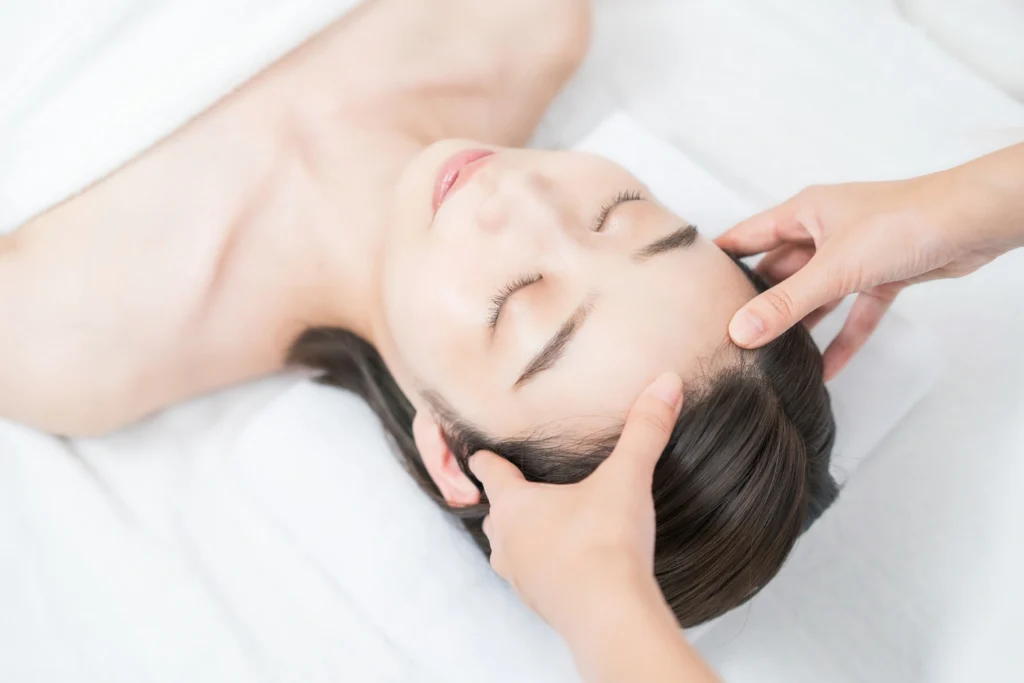
Scalp microneedling may be a good option for people who notice early thinning, reduced fullness, weak roots, dryness, or scalp imbalance. It may also interest clients who want non-surgical hair support.
A consultation is important before treatment. Some scalp conditions need medical care first, especially active infections, open wounds, severe inflammation, or unexplained sudden hair loss. A provider can review your scalp, discuss your goals, and decide if microneedling fits your needs.
Good candidates are usually people who want gradual improvement and understand that scalp health takes consistency. This treatment is not a one-time fix. It works best when paired with proper scalp hygiene, aftercare, and follow-up sessions when recommended.
Pro Tip
“Consistency matters more than chasing quick results. Keep the scalp clean, avoid harsh exfoliating products after treatment, and follow your provider’s aftercare instructions. Scalp microneedling supports the scalp’s natural repair process, so the best results usually come from a planned series and steady scalp care between visits.“
What To Expect After Treatment
Mild redness, tenderness, or sensitivity may happen after scalp microneedling. This is usually temporary and related to the stimulation created during treatment.
Clients should avoid irritating products, heavy sweating, excessive heat, and harsh scalp treatments right after the session unless their provider says otherwise. Gentle care helps protect the scalp while it recovers.
You may not see changes immediately. Hair wellness takes time because hair grows in cycles. Many people need multiple sessions before noticing visible improvement in fullness, root strength, or scalp comfort.
Why Professional Treatment Matters
At-home rollers and viral scalp tools may look simple, but microneedling requires clean technique, proper needle depth, and safe handling. Poor technique can irritate the scalp or increase the risk of unwanted side effects.
Professional scalp microneedling gives clients a safer, more controlled experience. A trained provider can adjust the treatment based on scalp condition, sensitivity, and goals. Professional treatment also includes better product selection, cleaner application, and clearer aftercare instructions.
This is especially important for clients dealing with thinning, irritation, or scalp sensitivity. The goal is to support the scalp, not damage it.
Healthier Hair Starts At The Scalp
Fuller, stronger, better-looking hair starts with the scalp. When the scalp is healthier, cleaner, and better supported, the hair has a stronger foundation.
Scalp microneedling fits the growing trend of treating hair wellness from the root area. It supports circulation, collagen response, scalp balance, and follicle health in a professional setting.
At KenshoDerm, Scalp Microneedling is a focused treatment for clients who want to nourish the scalp and support thicker, healthier-looking hair. Book your session today and take the next step toward a stronger scalp foundation.