
Hair thinning can feel discouraging when basic shampoos, supplements, and over-the-counter products no longer seem to help. Many people assume a hair transplant is the next step once they notice a wider part, a thinning crown, or weaker hair along the hairline. But what if advanced hair regrowth options could support your scalp and existing follicles before surgery becomes the main discussion?
Modern treatments such as exosome scalp therapy, PRP, microneedling, and regenerative scalp support give patients more choices. These options do not replace a transplant in every case, but they may help people with early to moderate thinning improve scalp health, support follicle activity, and encourage fuller-looking hair over time.
Key Takeaways
- Non-surgical treatments may support active follicles.
- Exosome therapy supports healthier scalp conditions.
- PRP may improve existing hair thickness.
- Microneedling helps stimulate scalp treatment response.
- Consultation determines the right regrowth option.
Understanding Hair Loss Before Choosing Treatment
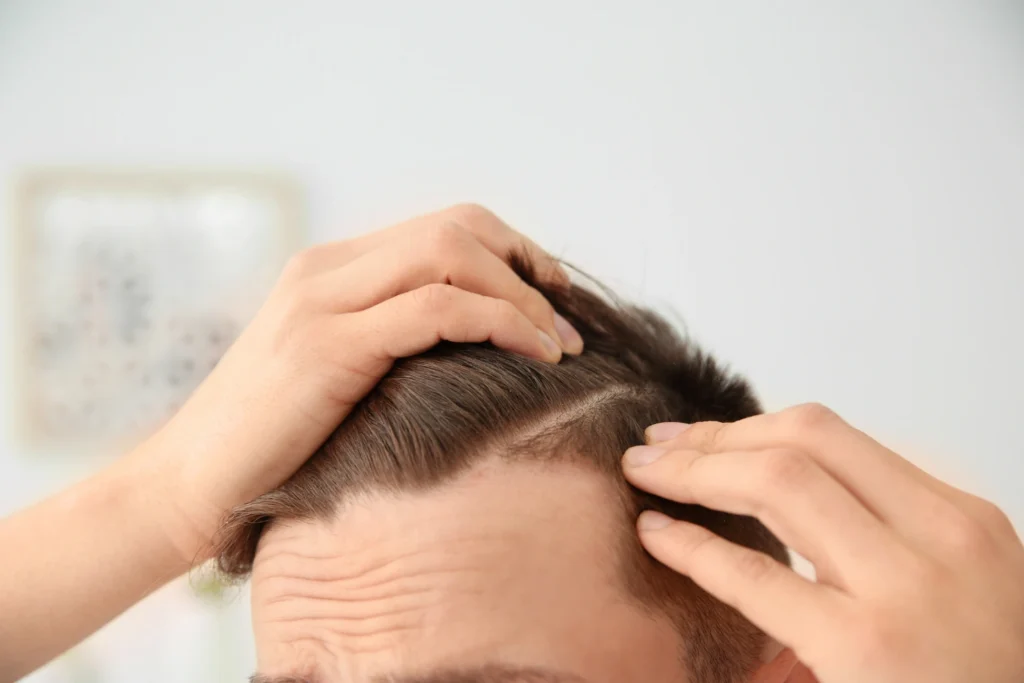
Hair loss does not happen the same way for every patient. Some people experience sudden shedding, while others notice gradual thinning over several years. The right treatment depends on the cause, pattern, stage, and condition of the scalp.
Hair growth also happens in cycles. Follicles move through growth, transition, resting, and shedding phases. When follicles become weaker or miniaturized, the hair shaft may grow thinner, shorter, and less visible.
Common factors linked to hair thinning include:
- Genetics and pattern hair loss
- Hormonal changes
- Stress or illness
- Scalp inflammation
- Nutritional deficiencies
- Certain medications
- Postpartum shedding
- Poor scalp health
- Aging-related follicle changes
A transplant moves healthy follicles from one area of the scalp to another. That can be helpful for advanced hair loss, but it may not be the first option for people who still have active follicles in thinning areas. In those cases, non-surgical treatments may help support the hair that is still present.
Signs You May Not Need A Hair Transplant Yet
A hair transplant may sound like the strongest solution, but it is not always the right first step. Some patients still have enough follicle activity to benefit from treatments that focus on scalp health, inflammation control, and hair density.
This is especially true when thinning is still mild or moderate. The earlier a patient addresses hair loss, the more options may be available before surgery.
You may not need a hair transplant yet if you notice:
- Increased shedding without completely bald areas
- Thinning around the crown or part line
- Hair that feels finer than before
- A receding hairline that is still in the early stage
- Scalp irritation, dryness, or inflammation
- Hair loss that started recently
- Uneven density rather than full follicle loss
- Interest in a non-surgical first step
A transplant works best when there is enough donor hair and a clear area that needs restoration. It may not be ideal when shedding is active, hair loss is unstable, or the scalp is inflamed. A professional evaluation can help determine whether regenerative treatment, medication, or surgery makes the most sense.
Exosome Scalp Therapy For Hair Regrowth
Exosome scalp therapy is gaining attention in aesthetic medicine because it focuses on cell signaling and scalp rejuvenation. Exosomes are tiny extracellular vesicles released by cells. They can carry proteins, lipids, and genetic material that help cells communicate.
In hair restoration, exosome-based treatments are often discussed for their potential role in supporting the scalp environment and follicle function. Research is still developing, so patients should view this as a promising regenerative option rather than a guaranteed cure for hair loss.
Follicle Support
Hair follicles need the right signals to stay active. When follicles weaken, hair may become thinner and more fragile. Exosome therapy is used with the goal of supporting communication in the scalp and encouraging conditions that may help existing follicles perform better.
This is important because non-surgical treatments work best when follicles are still present. If an area is completely smooth and inactive, a transplant may be the better option.
Scalp Environment
Healthy hair starts with a healthy scalp. Inflammation, poor circulation, irritation, and buildup can all affect the environment around the follicles. Exosome scalp therapy may help support repair activity and improve the overall condition of the scalp.
For patients with thinning hair, scalp health should not be ignored. A treatment plan that only focuses on the hair strand may miss the deeper issue around the follicle.
Treatment Comfort
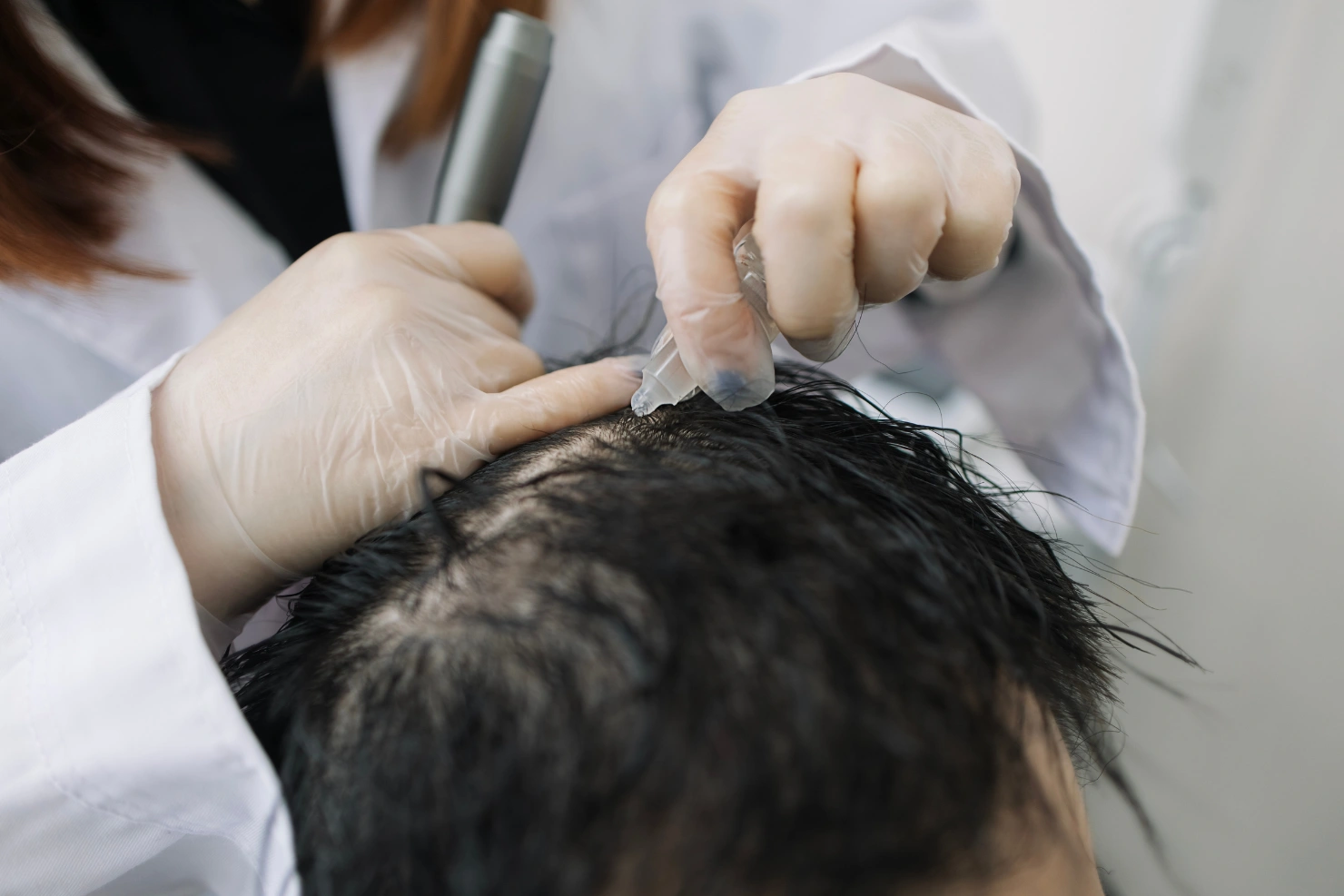
Exosome microneedling scalp therapy is non-surgical. During treatment, microneedling creates tiny channels in the scalp, which helps deliver the exosome solution more effectively to the treatment area.
Most patients can return to normal daily activities soon after treatment. Mild redness, tenderness, or sensitivity may occur, but downtime is usually much shorter than with surgical hair restoration.
PRP Therapy As A Regenerative Hair Option
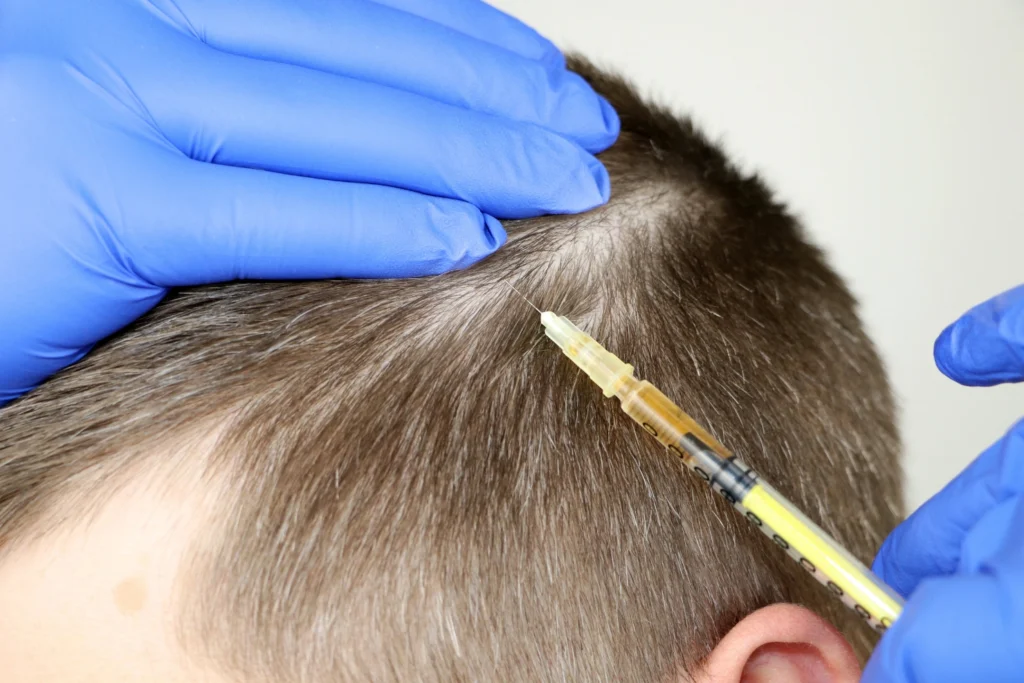
PRP, or platelet-rich plasma, is another regenerative treatment used for hair thinning. It uses a small sample of the patient’s own blood, which is processed to concentrate platelets. The platelet-rich plasma is then applied or injected into targeted areas of the scalp.
PRP contains growth factors that may support tissue repair and follicle activity. It is often recommended for patients with early hair thinning, pattern hair loss, or increased shedding.
PRP may be helpful for patients who want:
- A treatment using their own blood components
- A non-surgical option for mild to moderate thinning
- Support for existing follicles
- Gradual improvement in hair thickness
- A treatment that can be repeated over time
PRP results vary. Some patients see better density or reduced shedding, while others may need a combination plan. The cause of hair loss, age, health history, scalp condition, and treatment consistency can all affect results.
Microneedling For Scalp Stimulation
Microneedling is used in many skin and scalp treatments because it creates controlled micro-injuries. These tiny channels can stimulate a healing response and help topical or regenerative products reach the scalp more effectively.
For hair restoration, microneedling may be used on its own or paired with treatments such as PRP or exosome therapy. The goal is to improve scalp stimulation and support the delivery of active treatment materials.
Microneedling may help support:
- Scalp circulation
- Treatment absorption
- Collagen response
- Follicle stimulation
- Better scalp texture
- Regenerative product delivery
It is important that scalp microneedling is performed properly. The scalp has blood vessels, follicles, and sensitive tissue, so depth, technique, sanitation, and aftercare matter. Professional treatment helps reduce the risk of irritation, infection, or unnecessary scalp trauma.
Comparing Advanced Hair Regrowth Options
Each hair regrowth option has a different purpose. Some treatments support existing follicles, while others replace lost follicles through surgery. A clear comparison helps patients understand where each option fits.
| Treatment Option | Best For | Surgical Or Non-Surgical | Typical Downtime | Main Goal |
|---|---|---|---|---|
| Exosome Scalp Therapy | Early to moderate thinning, weak follicles, scalp support | Non-surgical | Minimal | Support scalp health and follicle signaling |
| PRP Therapy | Mild thinning, shedding, pattern hair loss support | Non-surgical | Minimal | Use platelet growth factors to support existing hair |
| Microneedling | Scalp stimulation and regenerative product delivery | Non-surgical | Minimal | Create microchannels and encourage scalp response |
| Hair Transplant | Advanced thinning or bald areas with inactive follicles | Surgical | Longer recovery | Move healthy follicles into thinning or bald areas |
| Prescription Hair Medication | Ongoing pattern hair loss management | Non-surgical | Usually none | Slow progression and help maintain existing hair |
This table does not replace a consultation. It shows why treatment choice depends on the stage of hair loss. A patient with active follicles may benefit from scalp therapy, while a patient with advanced bald areas may need surgical restoration.
When A Hair Transplant May Still Be The Better Option
Non-surgical hair regrowth treatments can support existing follicles, but they cannot create new follicles where none remain. This is one of the biggest differences between regenerative scalp therapy and a transplant.
A hair transplant may be more appropriate when hair loss is advanced, stable, and clearly visible in areas where follicles are no longer active. It may also be considered when a patient wants stronger coverage in a specific area, such as the frontal hairline.
A transplant may be worth discussing when:
- Bald areas are smooth and longstanding
- The hairline has significantly receded
- Crown thinning has become advanced
- Non-surgical options have not produced enough improvement
- There is enough healthy donor hair
- Hair loss has stabilized
- The patient wants a more structural restoration
Even then, scalp health still matters. Some patients use non-surgical treatments before or after a transplant to support scalp condition and maintain surrounding hair. A transplant addresses placement, but long-term hair health often needs ongoing care.
Benefits Of Trying Non-Surgical Hair Regrowth First
Many patients prefer to start with less invasive options before deciding on surgery. This is especially reasonable when hair loss is still in an earlier stage.
Non-surgical treatments may help improve the scalp environment, support existing hair, and give patients more time to understand their hair loss pattern. They may also be useful for patients who are not ready for transplant recovery, cost, or surgical planning.
Benefits may include:
- No surgical incisions
- Minimal downtime
- Gradual, natural-looking improvement
- Support for existing follicles
- Better scalp health
- Flexible treatment planning
- Can be combined with other hair care strategies
- May delay the need for surgery in some patients
Non-surgical treatment does require realistic expectations. Hair regrowth takes time because follicles follow growth cycles. Visible improvement may take several months, and maintenance may be recommended depending on the treatment and the cause of hair loss.
Pro Tip
Before choosing a hair transplant, ask whether the thinning areas still have active follicles. If follicles are still present, treatments such as exosome scalp therapy, PRP, or microneedling may help support density and scalp health first. If follicles are no longer active, surgery may be the more realistic option.
What To Expect During A Consultation
A consultation helps determine which treatment is appropriate. Hair loss can have many causes, so the provider should evaluate the scalp, thinning pattern, goals, and medical history before recommending a plan.
At KenshoDerm, patients interested in advanced scalp treatments can discuss whether exosome microneedling scalp therapy is a good fit. The goal is to match the treatment to the patient’s stage of hair thinning instead of using the same approach for everyone.
Scalp Review
The provider examines the scalp and looks at the pattern of thinning. They may check for redness, irritation, flaking, density changes, or signs that follicles are still active.
This step matters because scalp inflammation can affect treatment planning. A healthier scalp may respond better to regenerative support.
Hair Goals
Patients should explain what bothers them most. Some want less shedding. Others want better density at the crown, a fuller part line, or stronger-looking hair around the hairline.
Clear goals help set realistic expectations. Regenerative treatments often focus on gradual improvement, not instant coverage.
Treatment Plan
After the evaluation, the provider may recommend exosome scalp therapy, PRP, microneedling, medication support, or a referral for transplant planning. Some patients may benefit from a combined approach.
The best plan depends on the type of hair loss, how long it has been happening, and whether follicles are still capable of producing hair.
Choosing KenshoDerm For Advanced Hair Regrowth Support
KenshoDerm offers exosome microneedling scalp therapy in Arlington, VA, for patients who want a modern, non-surgical option for hair thinning and scalp support. This treatment combines microneedling with exosome-based regenerative technology to help support a healthier scalp environment.
For patients who are not ready for a hair transplant, this type of therapy may be a valuable first step. It can be especially helpful for people who want to explore advanced options before committing to surgery.
KenshoDerm’s approach focuses on consultation, treatment planning, and realistic expectations. Hair restoration is personal, and the right plan should reflect the patient’s hair pattern, scalp condition, lifestyle, and long-term goals.
Conclusion
A hair transplant is not the only option for patients with thinning hair. Advanced treatments such as exosome scalp therapy, PRP, and microneedling may help support scalp health and existing follicles before surgery becomes necessary.
The key is timing. Patients with early or moderate thinning may still have active follicles that can respond to regenerative support. Patients with advanced bald areas may need a different approach.
If you are noticing thinning hair, shedding, or reduced density, scheduling a consultation can help you understand your options. KenshoDerm offers exosome microneedling scalp therapy in Arlington, VA, for patients looking for a non-surgical step toward healthier, fuller-looking hair.