
Thinking about ditching razors and waxing for good? Laser hair removal is one of the most popular cosmetic treatments today, offering smoother skin and long-lasting results. But if it’s your first time, you may be wondering—what really happens during a laser hair removal session? From preparation to aftercare, understanding the process can help you feel more confident and ready for your appointment.
Key Takeaways
- Multiple sessions needed for optimal long-term results
- Minimal discomfort thanks to cooling laser technology
- Pre-treatment preparation ensures safe effective outcomes
- Laser hair removal saves money over time
- Aftercare is essential for smooth lasting results
What is Laser Hair Removal?
Before your first appointment, it helps to know exactly how the treatment works and who benefits the most. Laser hair removal uses proven technology designed to provide lasting results that go far beyond shaving or waxing.
How the Technology Works
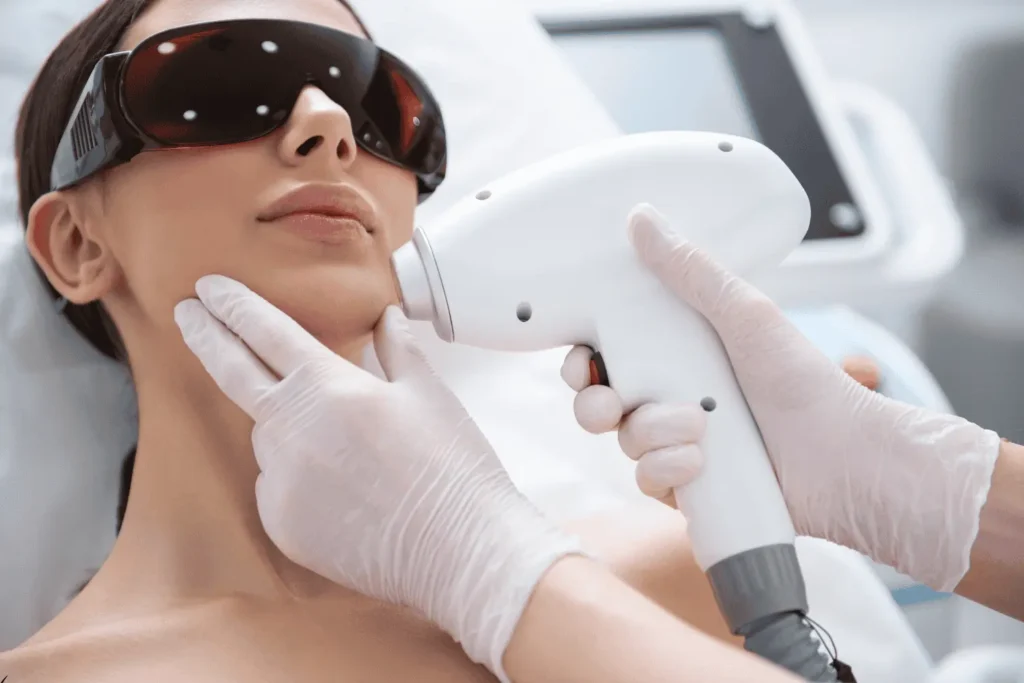
Laser hair removal uses concentrated light energy to target hair follicles. The pigment (melanin) in the hair absorbs this energy, which damages the follicle and reduces its ability to regrow. Unlike shaving or waxing, which only remove hair above or just below the skin, laser treatments go to the root—literally.
Who Is a Good Candidate?
Most people can safely undergo laser hair removal, thanks to advances in technology. While earlier systems were most effective on people with light skin and dark hair, newer devices can treat a wide variety of skin tones and hair colors.
However, very light blonde, gray, or white hairs remain challenging because they contain little melanin for the laser to target.
Commonly treated areas include:
- Legs
- Arms
- Underarms
- Bikini line or Brazilian
- Back
- Chest
- Face (upper lip, chin, sideburns)
Preparing for Your First Session
Success starts with preparation. Following the right pre-treatment guidelines ensures better results and helps reduce potential side effects. Your provider will walk you through everything you need to know, but here’s what to expect.
Consultation & Skin Assessment
Your journey begins with a professional consultation. During this appointment, a licensed provider evaluates your skin tone, hair type, and medical history. They also explain realistic results, the number of sessions you’ll likely need, and any risks or side effects. This personalized approach ensures your treatment is safe and effective, much like IV Vitamin Infusion, which is often used to support skin health, boost hydration, and enhance overall results from aesthetic treatments.
Pre-Treatment Guidelines
To maximize results, your provider will give you specific instructions to follow:
- Shave the area 24 hours before treatment. This keeps the follicle intact while removing surface hair.
- Avoid waxing, tweezing, or epilation for 4–6 weeks. These methods remove the follicle, which must be present for the laser to work.
- Stay out of the sun and tanning beds. Excess pigment from tanning increases risk of burns or pigmentation changes.
- Pause harsh skincare products. Retinoids, glycolic acid, and strong exfoliants can irritate treated skin.
What Happens During the Session
The treatment itself is quick, straightforward, and much less intimidating than most people expect. While the exact steps vary slightly by clinic, here’s the typical process you’ll experience.
Step 1 – Cleansing and Preparation
The treatment area is cleaned thoroughly to remove oils, lotions, or makeup. You’ll receive protective eyewear to shield your eyes from the laser.
Step 2 – Laser Application
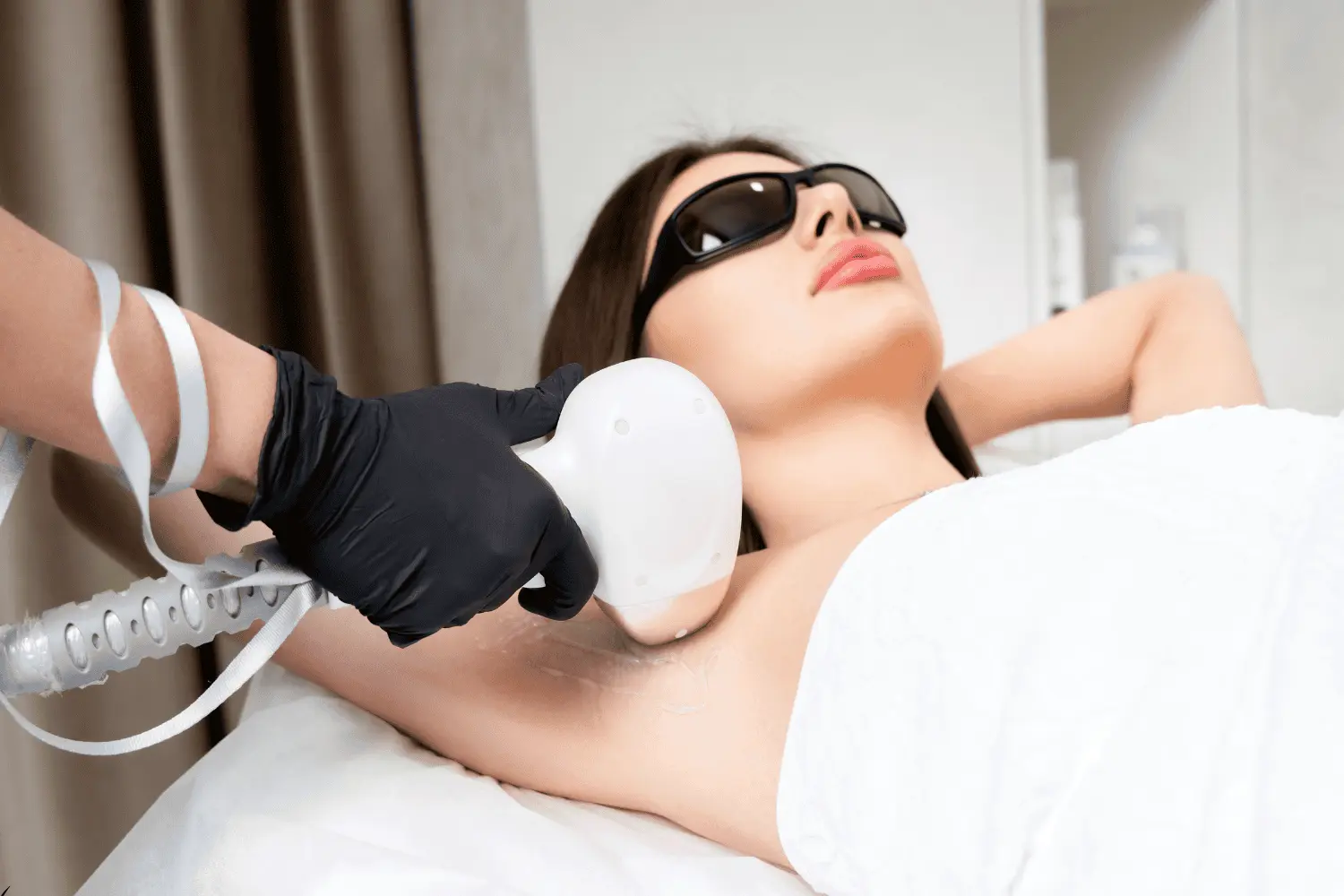
The provider uses a handheld device that delivers quick pulses of laser light to the targeted area. Each pulse feels like a warm snap—often compared to the snap of a rubber band. Modern devices include cooling systems or gels to reduce discomfort and protect the skin.
- Small areas (like the upper lip or underarms) may take 5–10 minutes.
- Large areas (such as full legs or back) may take up to 60 minutes.
Step 3 – Post-Treatment Soothing
Immediately after treatment, the skin may appear red or slightly swollen—similar to a mild sunburn. A cooling gel or ice pack is applied to calm the skin. These effects usually fade within a few hours.
Aftercare and Recovery
The first few days after your session are crucial for healing and protecting the skin. With proper care, redness fades quickly and results become noticeable within weeks.
Common Side Effects
Mild redness, swelling, or tenderness are normal and temporary. Some patients experience slight itching as the treated hairs shed. Severe side effects are rare when performed by trained professionals.
Post-Care Tips
- Apply broad-spectrum SPF 30+ daily to protect sensitive skin.
- Avoid hot showers, saunas, and intense exercise for 24–48 hours.
- Stick to gentle, fragrance-free skincare products while the skin heals.
- Exfoliate lightly after a few days to encourage hair shedding.
How Many Sessions Do You Need?
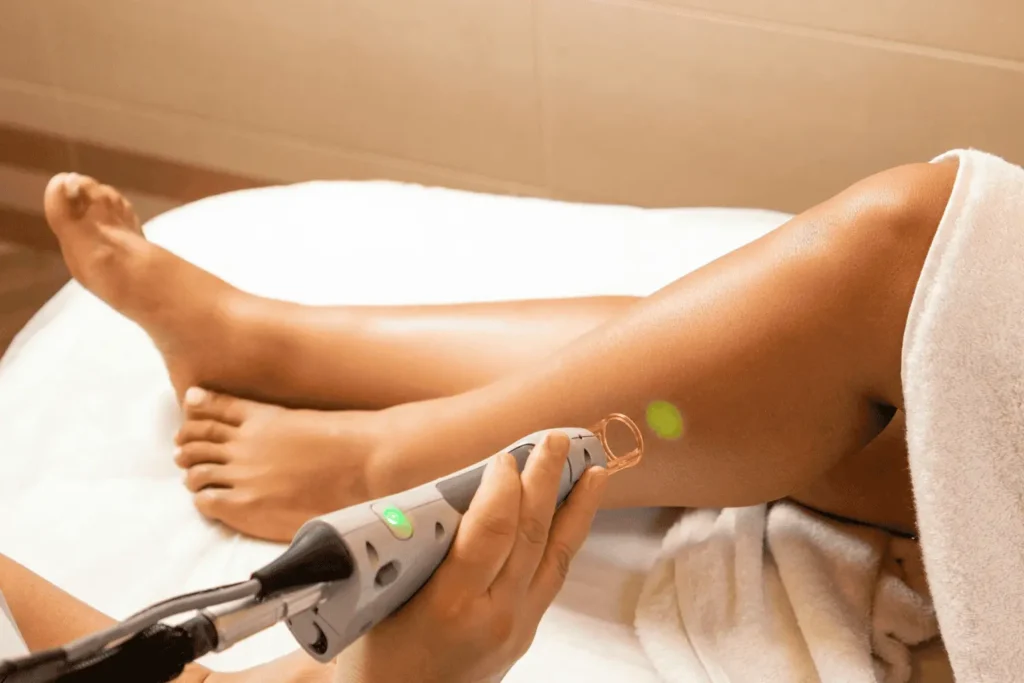
One of the most common questions is how long it takes to see results. Because hair grows in cycles, laser treatments require multiple appointments for maximum effectiveness.
- Average recommendation: 6–8 sessions, spaced 4–6 weeks apart.
- Maintenance: Some patients may require annual touch-ups.
Consistency is key—skipping treatments can reduce the effectiveness of the overall results.
Cost vs. Long-Term Savings
At first glance, laser hair removal may seem more expensive than shaving or waxing. However, when compared over time, it’s one of the most cost-effective methods available.
| Hair Removal Method | Average Annual Cost | 10-Year Estimated Cost | Results |
|---|---|---|---|
| Shaving (razors, cream) | $250–$350 | $2,500–$3,500 | Daily upkeep |
| Waxing (salon visits) | $600–$1,000 | $6,000–$10,000 | Painful, recurring |
| Laser Hair Removal (series of 6–8 sessions) | $2,000–$3,500 | $2,000–$3,500 total | Long-term reduction |
Over the span of a decade, laser treatments are not only more affordable but also far more convenient.
Pro Tip 💡
Start laser treatments in the fall or winter. Since sun exposure must be limited before and after each session, cooler months make it easier to avoid tanning, sunburn, and excessive UV exposure. This ensures safer sessions and better results by the time summer arrives.
Conclusion: Confidence Starts with Preparation
Your first laser hair removal session doesn’t have to feel intimidating. From the initial consultation to aftercare, the process is designed to be safe, efficient, and effective. By following pre-treatment guidelines, understanding the session steps, and committing to multiple appointments, you can achieve the smooth, hair-free skin you’ve been hoping for.
✨ Ready to start your journey? Schedule your consultation today and take the first step toward lasting confidence.
FAQs
Before your appointment, shave the area 24 hours in advance, avoid waxing or plucking for several weeks, and stay out of the sun. Skip tanning and harsh skincare products like retinoids or exfoliants. Following these steps ensures maximum effectiveness and reduces the risk of side effects.
Most patients describe the sensation as a light snap against the skin, similar to a rubber band. Thanks to modern cooling systems and soothing gels, discomfort is minimal and temporary. Sensitive areas may feel slightly more intense, but the procedure is generally very tolerable compared to waxing.
Laser hair removal works best in the active growth phase of hair. Because not all hairs are in that stage at once, multiple sessions are required. Most patients need six to eight treatments, spaced several weeks apart, with occasional touch-ups to maintain long-lasting smoothness over time. Many clients who also undergo PRP scalp treatment notice how both procedures complement each other—one targeting unwanted hair removal while the other focuses on stimulating healthy hair growth for fuller, stronger results.
Laser hair removal provides long-term hair reduction rather than complete, permanent removal. Many patients experience smooth, hair-free skin for years, though some fine or sparse regrowth may occur. Annual maintenance sessions can help keep results consistent, making it a more lasting solution than shaving or waxing—much like scalp microneedling, which also delivers sustained improvements through periodic treatments to maintain healthy, rejuvenated skin.
Redness or slight swelling is common but temporary. The treated hairs will shed over one to three weeks. Patients should avoid heat, sun exposure, and harsh products for a couple of days. Using sunscreen daily and following aftercare instructions ensures safe healing and optimal results over time.