
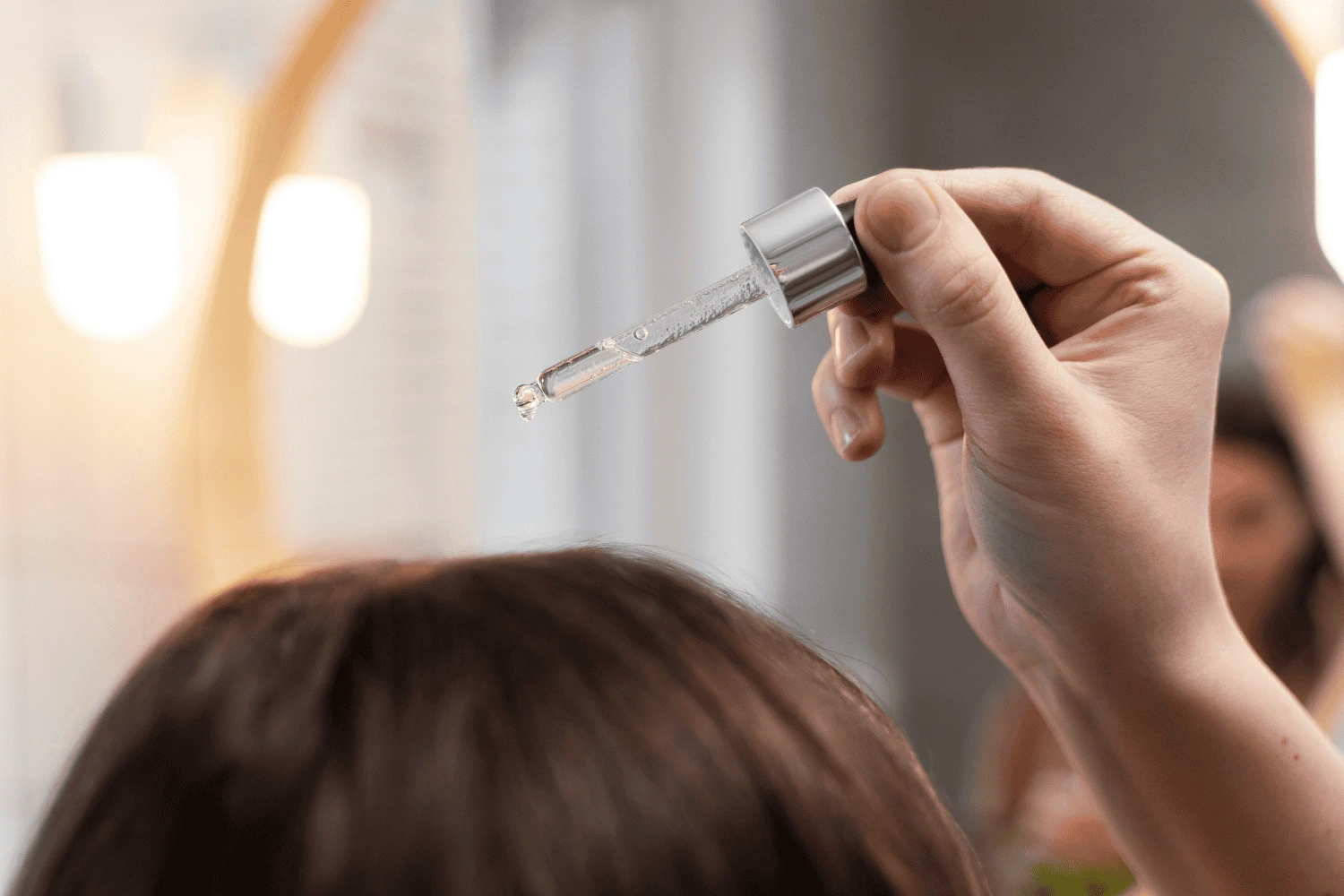
Healthy, vibrant hair begins with a healthy scalp — yet many people overlook this essential connection. Modern dermatology has introduced innovative solutions for hair thinning and scalp issues, and one of the most promising is scalp microneedling. But what makes this treatment stand out from the countless options available for hair restoration?
By combining microneedling with massage and serum infusion, scalp microneedling works to stimulate dormant follicles, improve circulation, and strengthen hair at its root. For those seeking a natural, non-invasive approach, this therapy offers a path to both revitalized hair and improved scalp health.
Key Takeaways
- Scalp microneedling stimulates natural hair growth.
- Treatment improves scalp circulation and overall health.
- Regular sessions enhance thickness and hair density.
- Non-surgical option compared to invasive transplants.
- Best for early thinning and scalp issues.
What Is Scalp Microneedling?
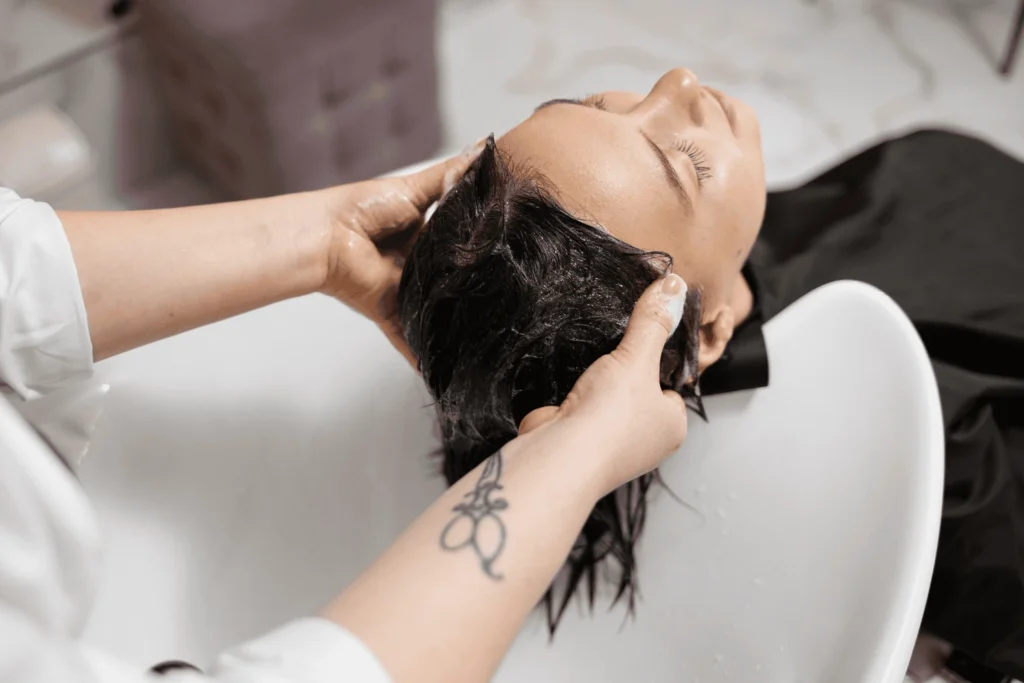
Scalp microneedling is a modern, non-invasive technique that leverages the body’s natural healing response to encourage healthier hair growth.
Microneedling involves using tiny, medical-grade needles to create controlled micro-injuries on the scalp’s surface. These microchannels stimulate the body’s repair process, boosting collagen production, increasing circulation, and signaling dormant follicles to become active again. While microneedling has long been used in skin care to reduce scars and improve complexion, its application to the scalp has gained traction in recent years for its effectiveness in addressing early-stage hair thinning.
Step-by-Step Process of Scalp Microneedling
Understanding the process helps patients know what to expect and how each step supports results. A scalp microneedling session at KenshŌDerm typically includes three key stages:
- Microneedling: A professional device creates precise micro-injuries in the scalp. This controlled stimulation awakens hair follicles and enhances nutrient delivery.
- Scalp Massage: Gentle massage follows, boosting circulation and ensuring that oxygen and nutrients reach the follicle roots.
- Serum Infusion: Finally, nourishing serums are applied to hydrate, repair, and strengthen both the scalp and hair. These serums often include peptides, vitamins, and hydrating agents.
This three-part approach ensures not only follicle activation but also long-term scalp wellness.
Benefits of Scalp Microneedling
The treatment offers both cosmetic and therapeutic advantages for those experiencing thinning hair or scalp concerns.
Scalp microneedling stands out because of its multi-layered benefits:
- Hair Growth Stimulation: By reactivating dormant follicles, microneedling encourages natural regrowth in thinning areas.
- Improved Scalp Health: Better circulation helps reduce dryness, flakiness, and irritation often linked with dandruff.
- Thicker, Fuller Hair: Strengthening the roots helps hair grow stronger, improving density and volume.
- A Natural Alternative: Unlike transplants or invasive surgeries, microneedling uses the body’s own healing mechanisms.
📊 Benefits Table
| Benefit | How It Helps | Who It’s Best For |
|---|---|---|
| Hair Growth | Stimulates dormant follicles | Men & women with early hair thinning |
| Scalp Health | Improves hydration & blood circulation | People with dry, irritated, or flaky scalps |
| Hair Thickness | Strengthens hair roots for better volume | Those with weak or fine hair strands |
| Non-Surgical Option | Avoids invasive procedures | Patients seeking natural alternatives |
How Often Should You Get Scalp Microneedling?

Most dermatologists recommend scalp microneedling treatments every 4 to 6 weeks. Early improvements may be seen within two to three months, but optimal results often appear around the three- to six-month mark. Maintenance sessions can extend results and support long-term scalp health.
Individual schedules may vary depending on the degree of hair thinning, lifestyle, and any complementary treatments such as PRP or topical growth serums.
Scalp Microneedling vs. Other Hair Growth Treatments
Different therapies exist for hair restoration, but scalp microneedling offers a unique balance of accessibility and effectiveness.
- Microneedling Alone: Works by stimulating natural repair mechanisms, encouraging follicle reactivation and improved scalp function.
- PRP Microneedling: Combines microneedling with platelet-rich plasma derived from your own blood, delivering concentrated growth factors directly to the follicles.
- Exosome Therapy: Uses regenerative exosomes (cell messengers) to enhance healing and follicle stimulation. This method is newer and often more costly but holds great promise.
Compared with PRP or exosome treatments, microneedling on its own is more affordable and less invasive, making it a strong first option for those exploring hair restoration.
Who Should (and Shouldn’t) Try This Treatment?
Not everyone is an ideal candidate, which is why consultation is essential before beginning treatment.
Best Candidates:
- Men and women with early hair thinning or weak hair density.
- Individuals dealing with dry, irritated, or flaky scalps.
- Patients looking for a non-surgical approach to hair restoration.
Contraindications:
- Active scalp infections or chronic skin conditions such as psoriasis.
- People on blood-thinning medications, which increase bleeding risk.
- Recent scalp surgery or unhealed wounds.
- Severe hair loss cases where follicles are permanently inactive — better suited for transplant options.
A professional consultation ensures safety and determines whether microneedling is the best choice.
💡 Pro Tip: For optimal results, pair scalp microneedling with a supportive hair care routine. Use nutrient-rich shampoos, minimize heat styling, and maintain a diet high in vitamins, iron, and protein. This holistic approach maximizes follicle activation and ensures long-lasting improvement in both hair quality and scalp health.
Final Thoughts
As a non-invasive treatment, it offers a safe and effective way to improve circulation, strengthen hair, and reactivate dormant follicles without surgery. Patients often report not only healthier hair but also a healthier scalp overall. If you’re seeking a solution to thinning hair or scalp concerns, scalp microneedling may be the next step toward renewed confidence.
📅 Ready to begin? Schedule your consultation with KenshŌDerm in Arlington, VA, and take the first step toward revitalised hair and scalp health.
Frequently Asked Questions
Scalp microneedling creates tiny micro-injuries that stimulate the body’s natural healing process. This increases blood flow, boosts collagen production, and signals dormant follicles to become active again. Over time, this process strengthens hair roots, improves density, and encourages healthier, fuller hair growth without the need for surgery. Just as a weight loss consultation identifies the best strategy for your body’s unique needs, scalp microneedling works by activating your body’s own regenerative abilities to achieve visible, lasting results.
Most patients benefit from sessions every 4 to 6 weeks. Early results may appear within two to three months, with fuller improvements seen after six months. Long-term maintenance is recommended for consistent results. A dermatologist will personalize your treatment schedule depending on scalp condition, hair thinning, and overall goals.
While scalp microneedling is generally safe, it’s not suitable for everyone. People with active scalp infections, chronic skin conditions like psoriasis, or those on blood-thinning medications should avoid it. A professional consultation ensures the treatment is safe and effective for your specific hair and scalp needs.
Microneedling alone stimulates natural follicle activation through controlled micro-injuries. PRP scalp treatment, also known as PRP microneedling, enhances results by applying platelet-rich plasma from your blood, which contains growth factors that further support hair follicle repair and regeneration. Exosome therapy introduces regenerative cell messengers to boost healing and hair regrowth. Each method varies in effectiveness, cost, and suitability depending on your hair condition.
Noticeable changes usually appear after two to three months of consistent treatments. Patients often report reduced shedding, improved scalp health, and thicker strands over time. Optimal results typically take three to six months, especially when combined with a healthy hair care routine, professional maintenance sessions, and supportive therapies like Weight Loss Injections that enhance overall metabolic health and nutrient absorption.