
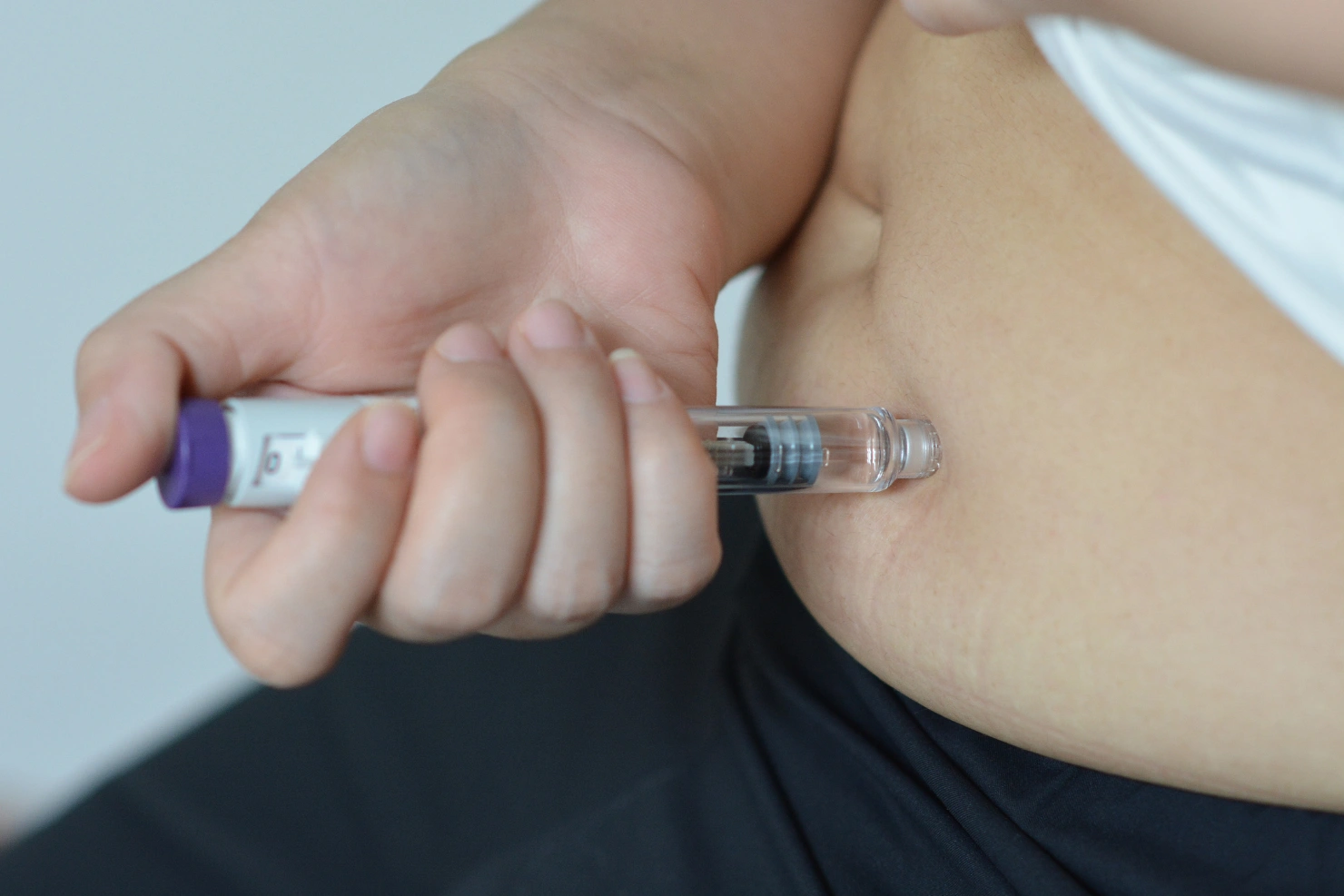
Weight loss injections have become a popular option for people who want medical support beyond diet plans and workout routines. At KenshoDerm in Arlington, VA, these treatments are used as part of a personalized approach that may help reduce appetite, support metabolism, and make healthy changes easier to maintain.
But can injections alone create lasting weight loss without better daily habits? The strongest results often come from combining medical weight loss support with nutrition guidance, movement, hydration, sleep, and realistic lifestyle adjustments that fit your routine.
Key Takeaways
- Weight loss injections work best with habits.
- Lifestyle support helps maintain long-term results.
- Protein, hydration, and movement support progress.
- Medical guidance keeps treatment safer overall.
- Consistency matters more than quick fixes.
Why Weight Loss Injections Work Best With Daily Habit Changes
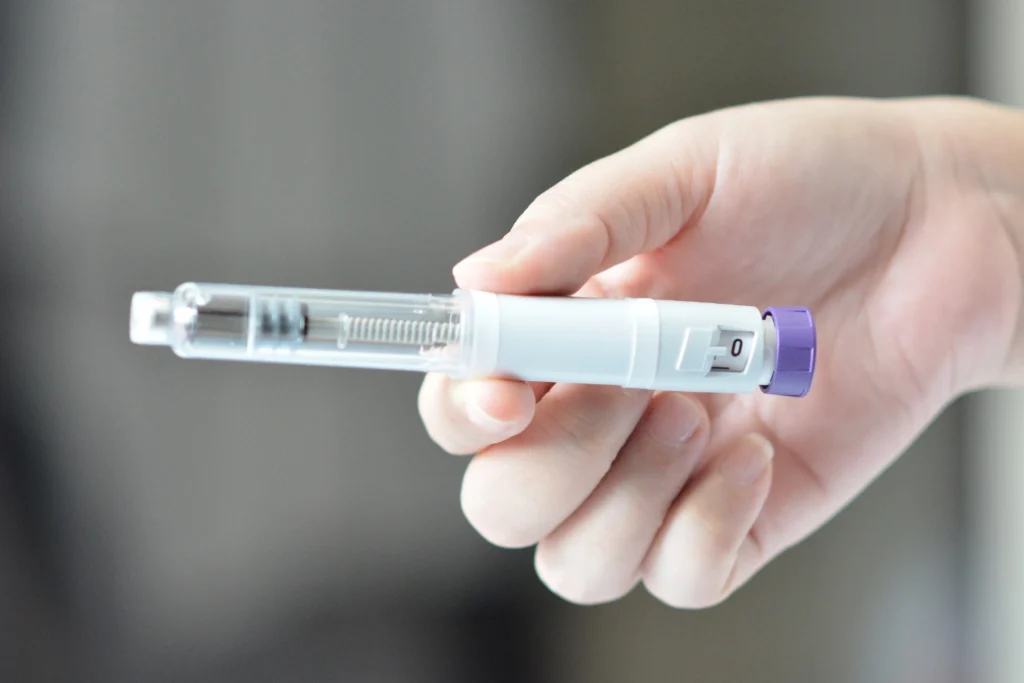
Weight loss injections can support appetite control and weight management, but they are not meant to replace daily choices. They work best when patients also build habits that help protect long-term progress.
Many weight loss injection treatments involve medications that affect hunger signals, fullness, and calorie intake. GLP-1 receptor agonists, for example, are known to reduce appetite, increase fullness, and slow how quickly food leaves the stomach. This can make it easier for some patients to eat less without feeling constant hunger.
Still, treatment works better when the body receives the right support. A patient who eats enough protein, drinks water, moves regularly, and keeps follow-up appointments is usually in a stronger position than someone who relies on the injection alone.
Daily habit changes may help support:
- Better food choices during reduced appetite
- More stable energy throughout the day
- Muscle support during weight loss
- Improved consistency between appointments
- Long-term weight management after early progress
Weight loss is not just about eating less. It is about helping the body lose weight in a safer, more sustainable way.
What Weight Loss Injections Are Meant To Support
Weight loss injections are used to help patients manage some of the hardest parts of losing weight. These may include hunger, cravings, large portions, and inconsistent progress.
At KenshoDerm, weight loss injection treatment starts with a personalized approach. The goal is to understand each patient’s needs before building a treatment plan that supports realistic progress.
Appetite Control
Appetite is one of the biggest reasons many people struggle with weight loss. Even when someone understands what to eat, hunger and cravings can make consistency difficult.
Weight loss injections may help reduce appetite so patients feel more in control around food. This can make it easier to avoid frequent snacking, oversized portions, or eating out of habit.
Better Portion Awareness
Some patients notice that they feel full sooner during treatment. This can support better portion awareness at meals.
That does not mean patients should skip balanced meals. Instead, it creates an opportunity to choose smaller portions with better nutrition, such as lean protein, vegetables, fiber-rich carbohydrates, and healthy fats.
Consistent Progress
Weekly treatment can also create a sense of structure. Patients have a plan to follow and a reason to check in with their progress.
Consistency matters because weight loss usually does not happen in a straight line. Some weeks may show more progress than others, and medical guidance can help patients stay focused without panic or frustration.
Why Lifestyle Support Still Matters During Treatment
Even with medical weight loss support, daily choices still shape the outcome. Nutrition, movement, sleep, hydration, and stress all affect how the body responds during a weight loss plan.
Lifestyle support matters because the goal is not just to lose weight quickly. The goal is to build a healthier routine that patients can continue.
Important lifestyle factors include:
- Protein intake to support muscle
- Fiber-rich foods to support fullness and digestion
- Strength training or resistance movement
- Regular walking or low-impact activity
- Better sleep routines
- Water intake throughout the day
- Stress management to reduce emotional eating
This is where a guided plan can make a difference. Patients do not need extreme diets or unrealistic workouts. They need practical changes that match their schedule, health needs, and starting point.
Weight Loss Injections And Lifestyle Support Comparison
Weight loss injections and lifestyle habits support different parts of the same goal. One helps manage appetite and treatment structure, while the other helps protect energy, nutrition, strength, and long-term results.
| Support Area | Weight Loss Injections Help With | Lifestyle Support Helps With |
|---|---|---|
| Appetite | May reduce hunger and cravings | Builds healthier eating patterns |
| Portion Control | May help patients feel full sooner | Supports balanced meal planning |
| Energy | May improve motivation as progress begins | Builds stamina through movement |
| Weight Management | Supports medically guided weight loss | Helps maintain results long term |
| Accountability | Involves treatment check-ins | Builds daily consistency |
| Muscle Support | Does not replace strength habits | Helps preserve lean muscle |
| Long-Term Results | Supports the active treatment phase | Helps patients continue progress |
Both parts matter. Weight loss injections can make change feel more manageable, but lifestyle support helps those changes become part of everyday life.
Nutrition Habits That Support Better Results
Food choices do not need to be extreme to support weight loss. A balanced approach can help patients stay satisfied while still making progress.
During injection treatment, appetite may decrease. That makes food quality even more important because patients may be eating less overall. Each meal should provide real nutrition, not just fewer calories.
Prioritize Protein
Protein helps support fullness and muscle maintenance. This matters during weight loss because the body can lose both fat and lean mass if nutrition is not well managed.
Good protein options may include eggs, poultry, fish, Greek yogurt, tofu, beans, lentils, and lean meats. Patients should follow personalized guidance, especially if they have kidney disease, digestive issues, or other medical concerns.
Add Fiber
Fiber helps support digestion and can help meals feel more satisfying. Vegetables, fruits, oats, beans, lentils, and whole grains can be useful choices.
Fiber also helps patients build meals with more volume and nutrients. This can make smaller portions feel more complete.
Limit Empty Calories
Sugary drinks, frequent desserts, alcohol, and heavily processed snacks can slow progress. These foods can add calories without providing enough fullness or nutrition.
Patients do not need to be perfect. The better goal is to reduce foods that make progress harder and replace them with options that support energy and fullness.
Movement Helps Protect Energy And Metabolism

Exercise does not have to mean intense gym sessions. Regular movement can support energy, muscle tone, metabolism, and long-term weight maintenance.
The CDC recommends that adults get at least 150 minutes of moderate-intensity aerobic activity each week, along with at least two days of muscle-strengthening activity. This can include simple options like brisk walking and resistance exercises, depending on the patient’s health and ability.
For patients using weight loss injections, movement is especially important because reduced appetite may lead to lower food intake. Strength-focused activity can help protect muscle while the body loses weight.
Simple movement habits may include:
- Walking after meals
- Taking stairs when appropriate
- Doing light resistance training
- Stretching during work breaks
- Scheduling short workouts instead of rare long sessions
- Choosing activities that feel realistic
The best exercise plan is one the patient can repeat. A 20-minute walk done consistently is often better than an intense workout plan that stops after two weeks.
The Role Of Sleep, Hydration, And Stress
Weight loss is affected by more than food and exercise. Sleep, hydration, and stress levels can influence hunger, cravings, energy, and motivation.
These habits are easy to overlook because they feel less direct than eating or working out. Still, they can affect how well a patient follows the plan.
Sleep Quality
Poor sleep can make cravings harder to control. It can also lower energy, which makes movement and meal planning feel harder.
Patients should aim for a consistent sleep routine when possible. Reducing late-night screen time, caffeine timing, and irregular sleep schedules may help support better choices during the day.
Daily Hydration
Hydration matters during weight loss treatment. Some patients eat less during injection treatment, so they may also drink less without noticing.
Water can support digestion, energy, and general wellness. It can also help patients avoid calorie-heavy drinks that make weight loss harder.
Stress Management
Stress can trigger emotional eating, late-night snacking, or inconsistent routines. Even when appetite is reduced, stress habits can still affect progress.
Helpful tools may include walking, breathing exercises, journaling, better scheduling, or support from a qualified professional. The goal is not to remove all stress. The goal is to respond to stress in a healthier way.
What To Expect From A Personalized Treatment Plan
A personalized plan helps patients avoid guesswork. At KenshoDerm, medical professionals can evaluate goals, health history, lifestyle habits, and progress before recommending a weight loss injection treatment plan.
A thoughtful plan may include:
- Initial consultation and health review
- Discussion of current weight loss challenges
- Realistic goal setting
- Weekly treatment schedule
- Nutrition and lifestyle recommendations
- Ongoing progress checks
- Adjustments based on response
- Safety guidance throughout treatment
This matters because not every patient has the same needs. Some patients struggle most with cravings. Others need help with portions, emotional eating, low energy, or inconsistent routines.
Medical supervision is also important because weight loss medications may not be appropriate for every patient. The FDA has warned about risks tied to unapproved GLP-1 products sold for weight loss, including products with semaglutide, tirzepatide, or retatrutide that are not properly approved or legally marketed.
A legitimate consultation helps patients understand what treatment may involve, what to expect, and what safety factors should be reviewed first.
Common Mistakes That Can Limit Results
Weight loss injections can be effective, but some habits may slow progress. Knowing what to avoid can help patients get more value from treatment.
One common mistake is assuming the injection does all the work. Appetite support can be helpful, but patients still need enough nutrition, movement, and follow-up care.
Other mistakes include:
- Skipping meals without planning balanced nutrition
- Eating too little protein
- Drinking too many liquid calories
- Ignoring constipation, nausea, or other side effects
- Not drinking enough water
- Avoiding movement completely
- Comparing progress to other patients
- Stopping follow-up appointments too early
Progress should be measured with more than the scale. Energy, cravings, clothing fit, consistency, and healthier routines can also show that the plan is working.
Pro Tip: Build Habits Before You Need Motivation
Pro Tip: Start with two simple habits you can repeat every day, such as drinking more water and adding protein to each meal. Small actions are easier to maintain than strict plans. When weight loss injections reduce appetite, these habits help you make better choices without feeling overwhelmed.
Who May Benefit From Weight Loss Injection Treatment
Weight loss injections may be helpful for patients who have struggled with appetite, cravings, or inconsistent progress. A medical consultation is the best way to know if treatment is appropriate.
This treatment may be a good fit for patients who want more structure than a standard diet plan. It may also help those who need accountability and a clearer path forward.
Patients who may benefit include:
- Adults struggling with stubborn weight
- Patients who have difficulty controlling cravings
- Patients who feel hungry soon after meals
- Patients who want medical guidance
- Patients who need weekly accountability
- Patients ready to improve daily habits
- Patients who want a personalized weight loss plan
Treatment should always be approached realistically. Weight loss injections are tools, not shortcuts. The strongest results come when patients use them as part of a larger plan.
Book Your Weight Loss Injection Consultation In Arlington, VA
Weight loss injections can be a helpful tool, but the strongest results come from combining treatment with smart daily support. KenshoDerm offers personalized care for patients ready to take a more guided approach.
At KenshoDerm in Arlington, VA, weight loss injection treatment starts with understanding your goals, health history, and lifestyle. From there, the team can recommend a plan that supports appetite control, energy, and healthier daily choices.
If you are ready to take control of your weight loss journey, schedule a consultation with KenshoDerm today. A personalized plan can help you move forward with medical support, practical lifestyle guidance, and realistic expectations.