
Enlarged pores can make skin look uneven, textured, and harder to keep “smooth” even when your skincare routine is consistent. Many people in Arlington start researching treatments after they notice pores looking more visible around the nose, cheeks, and forehead—especially as collagen levels naturally decline with age and sun exposure adds to surface roughness. RF microneedling has become a popular option because it targets both the skin’s surface texture and the deeper support structure that helps pores appear tighter over time.
But what should you realistically expect from RF microneedling for enlarged pores—and how quickly do changes show up after your first session? In this guide, we’ll break down how the treatment works, what it feels like, the typical downtime, and the kind of results most patients see when the goal is smoother texture and a more refined-looking complexion. If you’re considering RF microneedling in Arlington, VA, this will help you walk into your consultation with clear expectations and the right questions.
Key Takeaways
- RF microneedling boosts collagen for rejuvenation
- Tightens skin and improves overall texture
- Helps reduce fine lines, wrinkles
- Minimally invasive treatment with low downtime
- Book KenshoDerm consultation in Arlington today
Why Pores Look Enlarged In The First Place
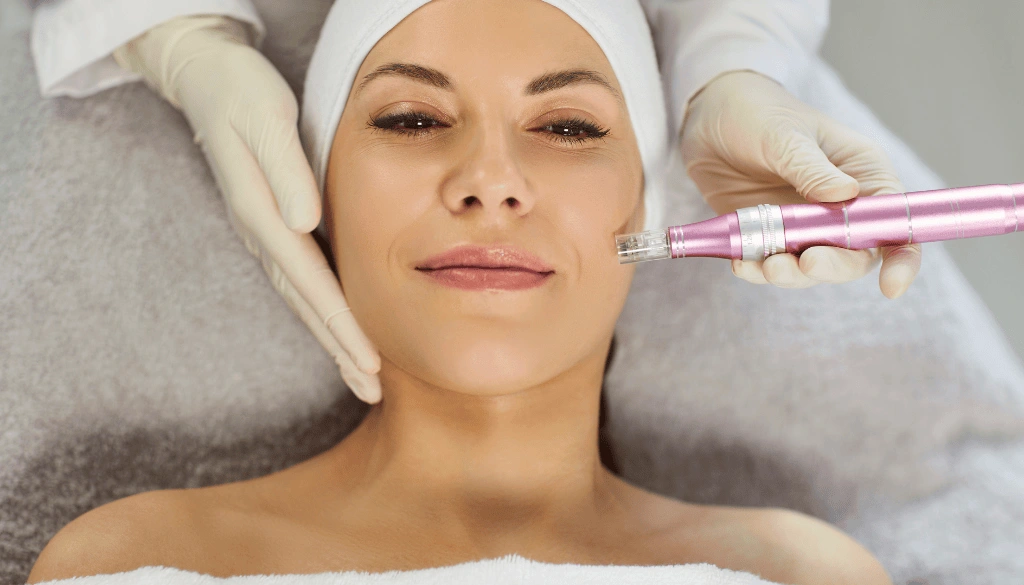
Pores don’t actually “open” and “close,” but they can look larger when the surrounding skin loses firmness or when the pore lining is stretched by oil and buildup. Genetics plays a role, and so does time: as collagen and elastin naturally decline, the skin around pores can feel less supportive, which makes pores more visible. Sun exposure can also contribute by affecting skin texture and elasticity, so pore appearance often changes gradually rather than overnight.
Common, factual reasons pores look more noticeable include:
- Oil and congestion: excess sebum and trapped debris can make pores look larger
- Loss of collagen/elasticity: less “support” around the pore rim can increase visibility
- Acne history: prior inflammation can leave texture changes that highlight pores
- Sun damage and uneven texture: roughness makes pores stand out more
- Skincare/makeup habits: comedogenic products can worsen congestion over time
It also helps to know what you’re trying to improve: sometimes the “pore problem” is really blackheads, sebaceous filaments, or overall texture. A professional consult matters because the best plan for enlarged-looking pores can be different if you’re dealing with active acne, irritation, or barrier damage at the same time.
How RF Microneedling Helps Pores Look Smaller
RF microneedling combines two actions in one treatment: tiny sterile needles create controlled micro-channels in the skin, and radiofrequency energy delivers heat into targeted deeper layers. This controlled injury-and-heat process can trigger a wound-healing response and remodeling that increases collagen and elastin over time, which may improve texture and make pores appear more refined. In plain English: it doesn’t “erase” pores, but it can help skin look smoother and tighter around them.
Here’s what RF microneedling is commonly used to improve (and why it relates to pores):
- Texture smoothing: less roughness makes pores less obvious
- Firmness support: collagen remodeling can improve the look of laxity around pores
- Acne-scar blending: improved texture can reduce “shadowing” that highlights pores
- Overall radiance: more even surface texture reflects light more smoothly
A realistic expectation is important: there is no proven way to permanently shrink pores, because pore size is influenced by genetics and oil gland structure. What treatments can do is reduce visibility—often by improving collagen support, decreasing congestion, and smoothing texture—so the skin looks more refined in everyday lighting.
RF Microneedling vs Other Pore Treatments
Not every “pore treatment” solves the same problem, and many people get the best outcome from a combination plan (for example, addressing congestion with skincare while using in-office treatments for texture). RF microneedling is typically chosen when texture and mild laxity are part of the pore concern, because it targets deeper remodeling instead of only surface exfoliation. A consult helps decide whether RF microneedling, standard microneedling, a peel, or a laser-focused approach fits your skin type and goals.
Quick Comparison (Visibility Of Pores + Texture)
| Option | Best For | Typical Downtime | Notes |
|---|---|---|---|
| RF Microneedling | Texture + firmness support | Redness often 24–72 hours | Adds RF heat to deeper layers for remodeling |
| Traditional Microneedling | Texture, mild scarring | Redness often 24–48 hours | No RF energy; may be better for some goals |
| Chemical Peels | Surface tone/texture, congestion | Varies by peel strength | Great for dullness and buildup; must be matched to skin type |
| Laser Resurfacing (Some Types) | Texture, scars, sun damage | Varies widely | Can be powerful; downtime depends on laser type |
| Topicals (Retinoids/BHA) | Congestion + long-term texture | Minimal | Consistency matters; can complement procedures |
If your main issue is congestion and shine, topical options (like salicylic acid or retinoids) may do a lot. If your main issue is “orange peel” texture with mild laxity, RF microneedling is often considered because collagen remodeling can improve how pores look in motion and in different lighting, not just right after exfoliation.
What A Session Feels Like And How Long It Takes
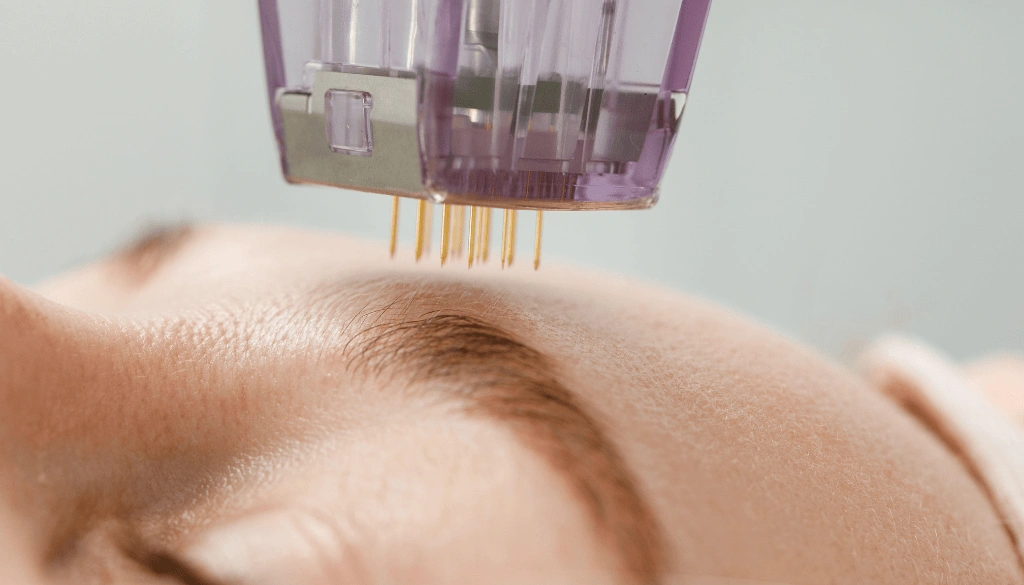
A typical RF microneedling visit starts with a skin assessment and a plan tailored to your concerns (pore visibility, texture, acne scars, or fine lines). Most practices apply a topical numbing cream before treatment to improve comfort. The treatment itself is usually described as a mix of pressure, warmth, and brief prickling sensations, with intensity depending on settings and treatment area. Afterward, the skin may look red—similar to a moderate sunburn—and feel warm or tight for a short period.
What often happens during an appointment:
- Cleanse + prep to reduce surface oils and product residue
- Topical numbing for comfort
- Treatment passes over targeted areas (cheeks, nose area, forehead, chin)
- Post-care application to calm and hydrate the skin barrier
- Aftercare review so you know what to do the first 48 hours
Because RF microneedling is a medical procedure that uses energy delivered into skin, outcomes depend heavily on correct device use, appropriate settings for your skin type, and a qualified clinician’s technique. The FDA has also published a safety communication about potential serious complications with certain uses of RF microneedling devices, which is why choosing a properly trained provider matters.
The Real Downtime Timeline Day By Day
Downtime is usually described as “minimal,” but it helps to define what that means. Many people experience visible redness and mild swelling right after treatment, with the most noticeable redness typically settling within the first couple of days. Some patients also feel dryness or tightness as the skin recovers. Your exact timeline depends on treatment intensity, your skin sensitivity, and how closely you follow aftercare instructions—especially sun protection and avoiding irritating products.
A typical, factual recovery pattern looks like this:
- Immediately After: redness, warmth, mild swelling are common
- Day 1–2: redness often improves; skin can feel tight or sensitive
- Day 3–5: possible dryness or light flaking as skin normalizes
- Week 1+: skin often looks calmer; texture may start feeling smoother
While mild redness, swelling, and dryness can be expected, you should contact your provider if you notice worsening pain, significant blistering, expanding redness, drainage, fever, or anything that feels “off.” Complications are not the norm, but they are possible—especially if treatments are performed improperly—so prompt communication is part of safe care.
When You’ll See Results And How Many Sessions You Need
It’s normal to see some short-term “glow” once redness fades, but the more meaningful improvement in pore visibility typically comes from collagen remodeling, which takes time. Many people need a series of treatments rather than a single session, because skin rebuilding is gradual. Treatment intervals are often spaced weeks apart, and the right number of sessions depends on baseline texture, acne scarring, oiliness, age-related laxity, and your individual healing response.
Common expectations you can discuss in your KenshoDerm consult:
- A series approach: multiple sessions are commonly recommended for texture goals
- Gradual improvement: changes often build over several weeks and months
- Maintenance: results can be supported with periodic touch-ups plus consistent skincare
Because pores are partly genetic and partly influenced by oil and aging, the goal is usually “more refined-looking skin,” not a pore-free face. The most consistent long-term strategy pairs in-office procedures with daily sun protection and a routine that reduces congestion, since sun damage and clogged pores both make pore visibility worse over time.
Aftercare That Protects Results And Prevents Irritation
Aftercare is where you protect your investment. The skin barrier is temporarily more reactive after microneedling-based treatments, so gentle care helps you heal predictably and reduces the risk of unnecessary irritation. Most providers recommend avoiding heat, sweating, harsh products, and heavy makeup for a short window, plus using a gentle cleanser and barrier-supporting moisturizer. Sun protection is essential because UV exposure can worsen inflammation and contribute to uneven texture.
Helpful aftercare habits (general guidance—follow your provider’s instructions):
- Do: gentle cleanse, hydrate, use broad-spectrum sunscreen daily
- Do: keep hands off the face and avoid picking at dryness
- Don’t: use scrubs, strong acids, or retinoids too soon
- Don’t: do hot yoga/sauna right away, or expose skin to intense heat/sun
Pro Tip: Take a clear, makeup-free photo in consistent lighting the day before treatment, then again at 2 weeks and 6 weeks. Pore visibility changes can be subtle day-to-day, and photos help you judge true progress instead of chasing “mirror myths” influenced by hydration, lighting, and skin oils. Bring these photos to KenshoDerm so your plan can be adjusted based on real evidence.
Who Should Be Cautious Or Not A Good Candidate
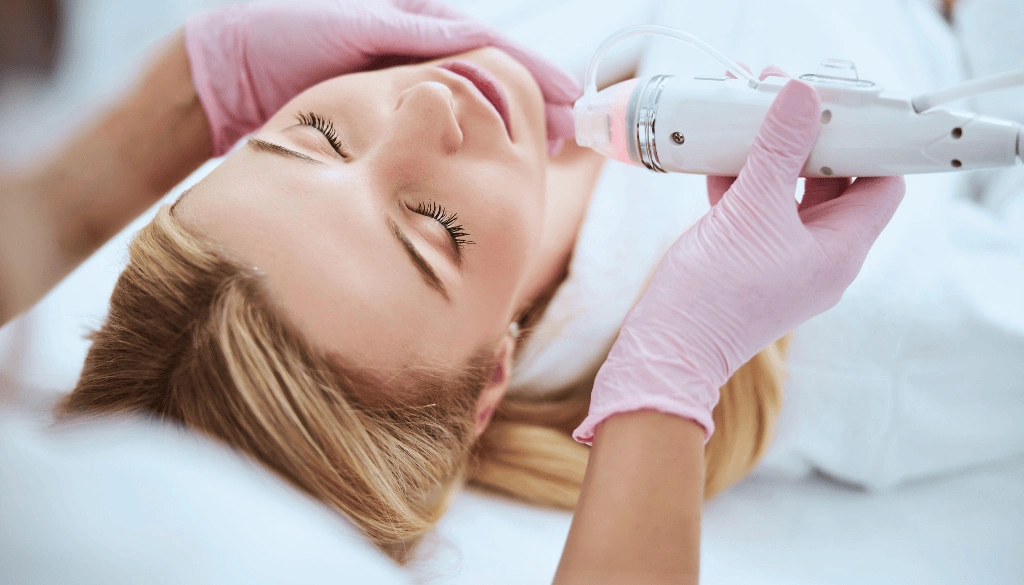
RF microneedling isn’t one-size-fits-all, and “good candidate” depends on skin condition, medical history, and expectations. People with active skin infections, uncontrolled inflammatory conditions in the treatment area, or a history of abnormal scarring may need alternatives or special precautions. Certain medications or recent procedures can also change healing response. That’s why a medical-grade consult and transparent history matter more than choosing a treatment because it’s trending online.
Situations that often require extra caution or a different plan include:
- Active acne flare-ups in the area being treated
- Very reactive or compromised skin barrier (significant irritation/dermatitis)
- History of keloids or poor wound healing
- Recent intense sun exposure or sunburn
- Unrealistic expectations about “permanent pore removal”
The safest path is individualized planning with a qualified clinician using an appropriate device and settings for your skin type. The FDA has highlighted reports of serious complications with certain uses of RF microneedling, reinforcing that it should be approached as a medical procedure—not a casual beauty add-on.
Schedule RF Microneedling In Arlington, VA
If enlarged-looking pores are bothering you, RF microneedling may be a strong option when the real issue is texture plus reduced firmness around pores—not just surface congestion. The best results come from a realistic plan: a properly spaced series, careful aftercare, and a long-term routine that protects collagen (especially daily sunscreen). At KenshoDerm, we’ll help you understand what to expect, what results are realistic for your skin, and how to do it safely.
Ready for a personalized plan? Schedule your RF microneedling consultation at KenshoDerm in Arlington, VA and get clear answers on sessions, downtime, and the best approach for refining texture and improving pore appearance.
FAQs About RF Microneedling For Enlarged Pores
RF microneedling can raise a lot of practical questions, especially if your main goal is smoother texture rather than dramatic lifting. These answers are meant to set expectations, not replace medical advice. Your exact plan should be guided by your skin type, your history (acne, scarring, sensitivity), and how your skin typically heals after procedures, which is why a consultation at KenshoDerm is so valuable.
Does RF Microneedling Permanently Shrink Pores?
There isn’t a reliable way to permanently shrink pores, because pore size is influenced by genetics and oil gland structure. What RF microneedling can do is reduce the appearance of pores by improving texture and supporting collagen remodeling around the pore opening. Many people maintain results with good skincare and periodic maintenance treatments.
Can My Pores Look Worse At First?
Right after treatment, redness and mild swelling can temporarily make texture look more obvious, and dryness can make skin feel rougher for a few days. This is typically part of the normal healing process as the skin settles. If you’re concerned about unusual pain, blistering, or worsening symptoms, contact your provider promptly.
Is RF Microneedling Safe For Darker Skin Tones?
Microneedling-based procedures are often used across a range of skin tones, but safety and pigment risk depend on device type, settings, technique, and your personal history of post-inflammatory hyperpigmentation. That’s why provider experience matters and why consultation-led planning is important. A clinician can adjust depth, energy, and treatment intervals to reduce risk.
Can RF Microneedling Help With Blackheads Too?
RF microneedling is most directly aimed at texture and collagen remodeling, not “extracting” blackheads. However, when paired with a routine that reduces congestion (like non-comedogenic products, appropriate exfoliation, or retinoids if tolerated), many people notice an overall refinement in texture that can make clogged pores less noticeable. Your best plan often combines treatments rather than relying on one tool.
How Soon Can I Wear Makeup Again?
Many providers recommend waiting at least through the initial healing window before applying makeup, because freshly treated skin can be more reactive and you want to reduce irritation risk. The most consistent guidance is to follow your clinician’s instructions based on your treatment intensity and how your skin looks the next day. When in doubt, prioritize gentle skincare and sunscreen first.