
If your skin ever looks “flat” (even when it isn’t oily or breaking out), dehydration is usually the missing piece. Hyaluronic acid is one of the most trusted ingredients for that problem because it helps skin hold onto water, which can make the surface look smoother, bouncier, and more comfortable.
But what does hyaluronic acid in a HydraFacial actually do—does it only give a temporary glow, or can it support better-looking texture with consistent care? In this guide, KenshoDerm breaks down the science in plain language, how HydraFacial delivers hydration, and what results you can realistically expect.
Key Takeaways
- Hyaluronic acid boosts immediate skin hydration
- HydraFacial steps enhance ingredient absorption efficiency
- Results include glow, smoother-looking texture
- Aftercare helps maintain plump, dewy skin
- Monthly treatments support consistent hydration results
What Hyaluronic Acid Is And Why Skin Loves It
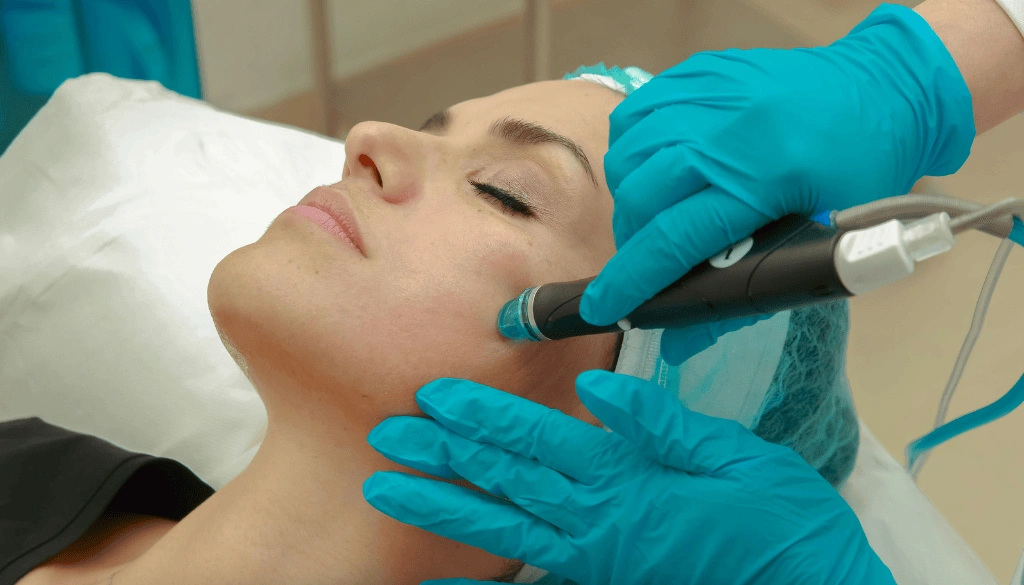
Hyaluronic acid (HA) is a sugar molecule your body naturally produces, and it’s found in places where moisture matters—like skin, eyes, and joints. One reason it’s so popular in skincare is that it behaves like a humectant, meaning it attracts and holds water.
That “water-holding” ability is why HA is often associated with plumper-looking skin and a softer feel, especially when dryness or dehydration is making texture look more noticeable.
Hyaluronic Acid, Explained In Plain English
HA isn’t an exfoliant and it isn’t an oil. Think of it as a hydration “magnet” that helps water stay where you want it—on and within the upper layers of the skin—so your face looks less dull and feels less tight. Dermatology research and clinical discussions commonly describe HA as a topical moisturizing ingredient because it retains water in the skin, which is why it’s used in so many hydrating serums and post-treatment routines.
What Hyaluronic Acid Can Do On Skin
When skin is dehydrated, fine lines can look sharper, makeup can cling, and your complexion can look uneven even if you’re doing “everything right.” Hyaluronic acid can help by improving the look of surface dryness and supporting a smoother-looking texture through hydration. It’s important to keep expectations realistic: HA is not a filler and it does not erase deep wrinkles, but it can make dehydration lines and roughness look less obvious by improving water content.
Where Hyaluronic Acid Fits In The HydraFacial Process
HydraFacial is designed as a multi-step treatment that cleanses, exfoliates, extracts buildup from pores, and then infuses supportive ingredients. The hydration step is where hyaluronic acid becomes especially relevant, because it’s delivered after the skin has been thoroughly cleaned and gently resurfaced. HydraFacial also uses a proprietary Vortex-Fusion™ delivery system that simultaneously cleanses, exfoliates, extracts, and infuses using a controlled spiral action.
The Core Steps That Set Up Better Hydration
A helpful way to understand the sequence is that HydraFacial preps the skin first, then hydrates and protects. Many HydraFacial descriptions summarize the experience as a three-part flow: Cleanse + Peel, Extract + Hydrate, and Fuse + Protect. That order matters because hydration tends to “hit different” after dead surface buildup and pore congestion are addressed in a gentle, controlled way.
Why The Order Matters For Hyaluronic Acid
Hyaluronic acid performs best when it has water to bind and when it’s applied to a surface that isn’t blocked by heavy buildup. By cleansing and exfoliating first, then extracting impurities, the treatment creates an environment where hydrating ingredients can spread more evenly and feel more noticeable right away. This doesn’t mean your skin “absorbs everything infinitely,” but it does explain why many people perceive a more immediate glow after a structured, step-by-step facial compared with simply applying HA at home.
What Hyaluronic Acid In A HydraFacial Does For Your Skin
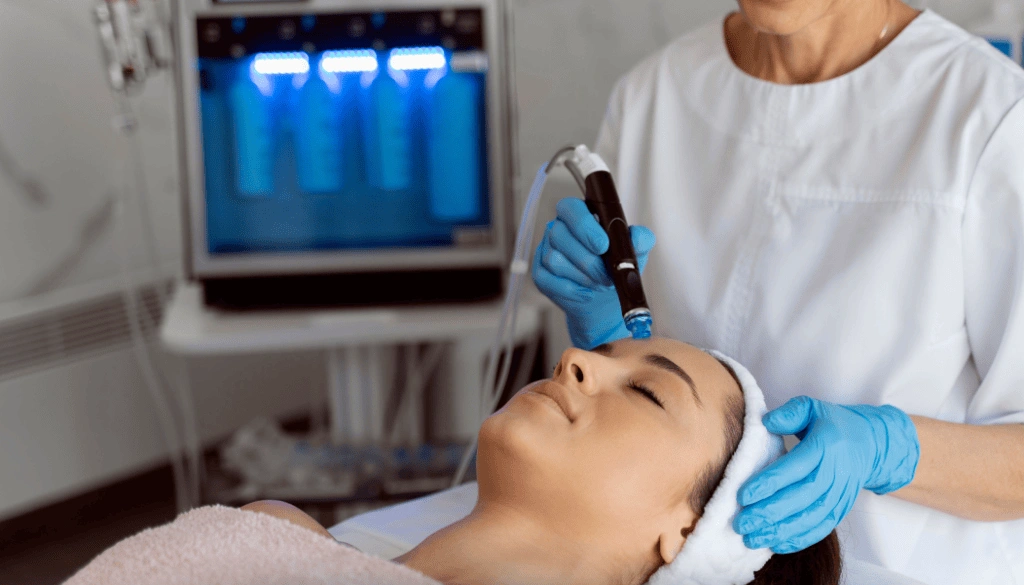
Results depend on your starting point, but hydration is one of the most common “first notices” after a HydraFacial. Hyaluronic acid can temporarily plump the look of the skin by supporting water retention, which can soften the appearance of dehydration lines and make texture look more refined. Over time, consistent hydration-focused care can also help your skin feel more comfortable and resilient, especially in dry seasons or after travel.
Quick Results Vs. Consistent Results (Realistic Expectations)
Right after treatment, many people describe their skin as dewier, smoother, and less tight—especially if they were dehydrated going in. With consistency, the bigger win is often stability: your skin is less reactive to weather changes, makeup sits better more often, and dullness becomes easier to manage. The key is understanding that HA supports hydration; it doesn’t replace sunscreen, it doesn’t treat melasma by itself, and it won’t “fix” acne the way prescription options can.
Table: Common Skin Goals And How Hydration Helps
| Skin Goal | How Hyaluronic Acid Supports It | What You May Notice After A HydraFacial |
|---|---|---|
| Dry Or Tight-Feeling Skin | Helps attract and hold water for improved comfort | Less tightness, more cushion, smoother feel |
| Dull-Looking Complexion | Hydration improves light reflection on the surface | “Glow” and more even-looking radiance |
| Dehydration Lines | Plumper look from better water content | Fine lines look softer (especially around eyes/mouth) |
| Rough Texture | Hydration can reduce the look of surface dryness | Makeup applies more evenly; skin feels smoother |
| Post-Extraction Comfort | Hydration supports skin after pore clearing | Less “stripped” feeling, calmer finish |
Who Benefits Most From Hyaluronic Acid In HydraFacial
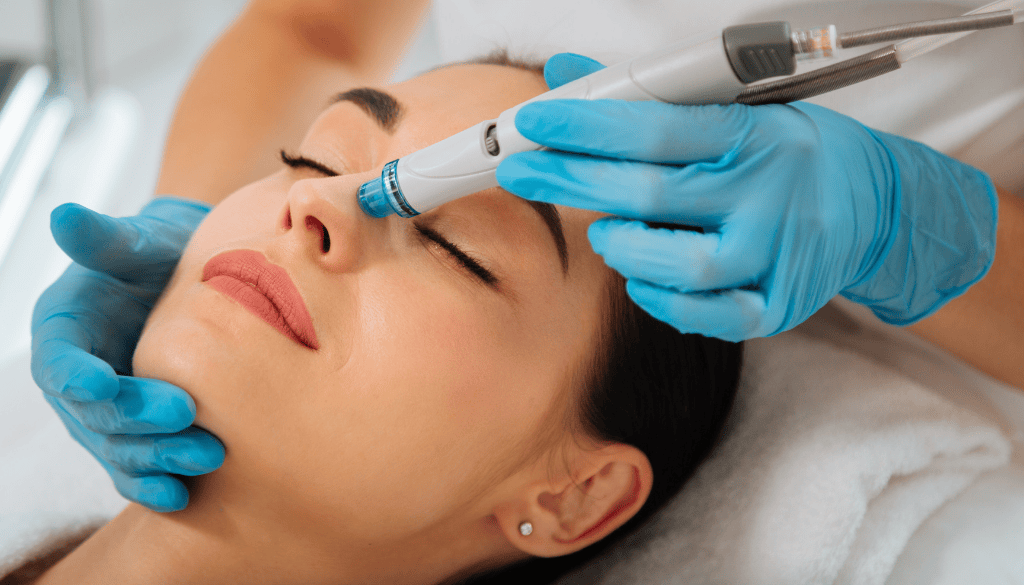
Almost any skin type can benefit from hydration, but the most dramatic results tend to show up when dehydration is a major issue. Dry skin, seasonal flaking, post-travel skin, and “tight but oily” skin often respond well because HA addresses water balance without adding heaviness. If you’re sensitive, the benefit can be that hydrated skin often feels less reactive, though the overall product blend and technique still matter—hydration alone doesn’t guarantee zero irritation.
These Are Three Common “Hydration-Need” Profiles
- Dry Or Dull Skin That Never Feels Satisfied: If your face looks tired by midday or your moisturizer feels like it “disappears,” your skin may be lacking water more than oil. HA can support a plumper look, while the structured cleanse-exfoliate-hydrate flow can make hydration feel immediate, especially when dryness is masking your natural glow.
- Oily But Dehydrated Skin: It’s completely possible to produce oil and still be dehydrated. In that case, heavy creams can feel uncomfortable, but HA can offer lightweight hydration that doesn’t have to feel greasy. When skin feels more balanced, some people notice less “tight-then-shiny” behavior across the day, although oil production is influenced by many factors.
- Texture + Occasional Congestion: If you’re dealing with roughness, visible pores, or intermittent blackheads, hydration can still matter because dehydrated skin often looks more textured. HydraFacial’s extraction and infusion approach is designed to address pore buildup while also supporting hydration, which is why the finish often looks clearer and more radiant.
What To Expect After Your Treatment
A HydraFacial is often described as having minimal downtime, but “no downtime” doesn’t mean “no aftercare.” Right after treatment, some people look instantly glowy; others look slightly pink for a short period, especially if their skin is sensitive or they had extractions. Hydration typically feels noticeable immediately, but your best-looking result can continue to settle over the next day as the skin calms and maintains the infused hydration.
A Simple Timeline Most People Relate To
In the first few hours, your skin commonly feels smoother and looks more reflective—this is the “freshly hydrated” look that makes HydraFacial popular before events. Over the next 24–72 hours, the glow often looks more natural and even, especially if you keep your routine gentle. How long results last varies by skin type and routine, but hydration-focused benefits often fade faster if you jump back into harsh exfoliants or skip sunscreen.
HydraFacial Aftercare That Helps Hyaluronic Acid Perform Better
Aftercare is where you protect the investment you just made in your skin barrier. Because hyaluronic acid is a humectant, it works best when you keep the skin supported with gentle cleansing, a barrier-friendly moisturizer, and daily sun protection. Many skincare experts also recommend pausing strong actives (like retinoids and exfoliating acids) around professional treatments to reduce the chance of irritation and over-exfoliation.
Pro Tip: “Seal” Hyaluronic Acid So Hydration Lasts Longer
Pro Tip: Apply your hydrating products in layers: use HA on slightly damp skin, then follow with a moisturizer to help reduce water loss. Hyaluronic acid helps attract water, but a moisturizer can help keep that water from evaporating quickly—especially in winter or in air-conditioned environments. This simple pairing is one of the easiest ways to stretch the “plump” feeling you get after a HydraFacial.
Keep Your Routine Simple For A Couple Days
For many people, the safest approach is to keep the routine boring: gentle cleanser, hydrating serum, moisturizer, and broad-spectrum sunscreen. Avoid stacking multiple exfoliants or restarting strong retinoids immediately if your provider advised a pause, because irritation can make skin look drier and more textured—basically the opposite of what you wanted from hydration. If you’re unsure what to restart and when, follow your clinician’s guidance based on your skin goals.
How Often Should You Get A HydraFacial For Hydration Goals
Hydration results often look best when they’re part of a routine, not a one-time rescue mission. A common professional-facial cadence discussed by dermatology sources and skincare experts is roughly every four to six weeks, which aligns with typical skin renewal timing for many adults. That said, your ideal schedule depends on sensitivity, dryness, congestion, and what other actives you use at home—more frequent isn’t always better if it compromises your barrier.
Event Timing That Usually Works Well
If you’re booking for an event, many people aim for a small buffer so the glow looks settled and calm rather than “just-treated.” For hydrated, makeup-friendly skin, scheduling several days before a major event is a common strategy, especially if you’re prone to redness after extractions. If your goal is longer-term hydration, monthly consistency plus supportive home care typically beats occasional “panic appointments,” because water balance is easier to maintain than to rebuild.
Conclusion: Hydration That Looks Good And Feels Better
Hyaluronic acid in a HydraFacial supports what most people want from a facial: comfortable skin that looks smoother, plumper, and more radiant without feeling heavy. The key is understanding the role HA plays—it helps retain water—while HydraFacial’s step-by-step cleansing, gentle exfoliation, extraction, and infusion helps set the stage for hydration to look more visible.
For optimal results, pair treatment consistency with simple aftercare and daily sunscreen application. If you want a hydration-focused plan customized to your skin, schedule your Signature HydraFacial with KenshoDerm and we’ll tailor the approach to your goals.
Frequently Asked Questions
Does Hyaluronic Acid Help Fine Lines?
Hyaluronic acid can make fine lines look softer when those lines are emphasized by dryness or dehydration. It supports hydration and a plumper appearance by retaining water, which can improve the look of surface texture. It won’t replace injectables for deeper lines, but many people love HA because it improves the “rested” look without heaviness, especially when used consistently and paired with moisturizer and sunscreen.
Is Hyaluronic Acid Safe For Acne-Prone Skin?
In general, hyaluronic acid is widely used in skincare routines for many skin types because it hydrates without needing to be oily or occlusive. Acne-prone skin can still be dehydrated, and lightweight hydration may help the skin feel more balanced. However, breakouts can be triggered by other ingredients in a formula, so if you’re reactive, it’s smart to review the full product profile used during treatment and your home routine.
Will HydraFacial Hydration Clog My Pores?
Hydration itself doesn’t automatically mean clogged pores. Hyaluronic acid functions as a humectant and is commonly used because it supports water content without needing thick oils. HydraFacial also includes an extraction step designed to help remove pore debris, which is why many people feel “cleaner” and more comfortable afterward. If you’re highly congestion-prone, the most important factor is customizing the treatment and aftercare to your skin’s tolerance.
Can I Use Retinol Or Acids Right After Treatment?
Many skincare and dermatology sources recommend pausing strong actives around professional facials to reduce irritation risk, and some specifically mention retinoids and exfoliating acids as common culprits for post-treatment sensitivity. Your exact timing should match your provider’s instructions and your skin’s history, because someone with resilient skin may restart sooner than someone who is sensitive or using multiple actives. When in doubt, prioritize barrier calm first.
How Do I Maintain Results At Home?
The simplest maintenance plan is the most reliable: gentle cleansing, daily moisturizing, and consistent sunscreen—plus HA layering when you feel dryness creeping in. Hydration looks better when you prevent water loss, so pairing HA with a moisturizer matters, and sun protection matters because UV exposure can worsen dryness and uneven tone over time. If you want a plan tailored to your skin goals, a professional review can help you avoid product overload.