
SkinPen microneedling is one of the most popular ways to refresh skin texture, soften fine lines, and improve the look of acne scars by tapping into your body’s natural collagen-building response. But once you start researching treatments, the biggest question usually isn’t “Does it work?”—it’s how many sessions it actually takes before you can see a difference that feels worth it.
In this guide, we’ll break down what most people can realistically expect from SkinPen over time, why results build gradually, and how your goals (like smoothing texture vs. fading acne scars) influence the number of sessions that make sense.
Key Takeaways
- SkinPen stimulates collagen for smoother texture.
- Reduces fine lines and wrinkles.
- Helps minimize visible acne scarring.
- Minimal downtime with natural-looking results.
- Treatments are customized to skin goals.
Why SkinPen Results Take Time
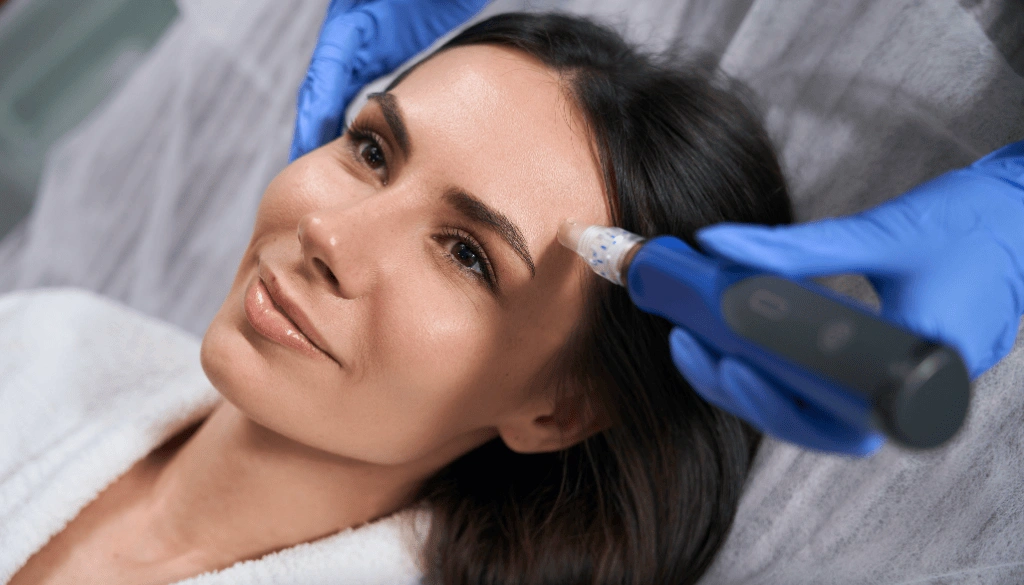
It’s normal to want a fast transformation, but microneedling is more like “compounding interest” than instant gratification. You may look refreshed after the first session as redness calms and your skin barrier recovers, yet the deeper improvements people call “real results” are tied to collagen changes that continue for weeks. That’s why most treatment plans are built as a series, not a one-and-done appointment.
What “Real Results” Usually Means
When people say they want real results, they usually mean one (or more) of these: smoother texture, softer fine lines, smaller-looking pores, more even tone, or less visible acne scarring. Those concerns don’t all respond at the same speed. Texture and “glow” can show up sooner, while deeper scarring and etched lines generally require repeated stimulation and time between sessions for collagen remodeling to add up.
The Collagen Timeline
Microneedling is often called collagen induction therapy for a reason: the gradual improvement is linked to your body producing collagen as it heals. You may see some improvement within a few weeks, but full results commonly take several months, especially if you’re treating scars or significant texture concerns. That’s also why spacing matters—your skin needs recovery time before the next controlled stimulus makes sense.
What You Might Notice After Session One
After one session, many patients notice their skin feels smoother, makeup sits better, and overall radiance improves once redness settles. It’s also common to feel “tight” or slightly dry for a few days, and mild redness can last several days depending on sensitivity and depth. If your goal is acne scarring, don’t be discouraged if changes feel subtle after the first visit—scars usually respond best to a planned series.
The Most Common Session Ranges By Skin Goal
A practical way to think about session count is to match it to your primary goal. Professional organisations and medical references consistently describe microneedling as a treatment that often requires multiple sessions, commonly spaced weeks apart, with maintenance as needed. Below is a realistic starting framework that your provider can personalize to your skin, schedule, and tolerance for downtime.
Typical Starting Point Table
| Skin Goal | Common Starting Series | Typical Spacing | When Results Often Feel “Real” |
|---|---|---|---|
| Overall Texture + “Glow” | ~3 sessions | About monthly | Builds over weeks; fuller change over months asds.net+1 |
| Fine Lines (Early) | ~3+ sessions | 3–8 weeks apart | Often noticeable over 3–6 months Cleveland Clinic+1 |
| Acne Scars | 3–5 sessions (sometimes more) | Every 2–4 weeks (provider-dependent) | Gradual; often several months for peak change American Academy of Dermatology+1 |
| Dark Spots / Uneven Tone | Series may be needed | Often monthly | Gradual improvement; strict sun protection matters American Academy of Dermatology |
| Maintenance | 1 session/year (common) | As recommended | Helps sustain collagen-based results American Academy of Dermatology+1 |
A Simple “Rule Of Thumb” (With Realistic Expectations)
Many patients start with at least three treatments for meaningful improvement, especially for overall texture and early lines. For acne scars, it’s common to need multiple sessions as well, and dermatology guidance describes treatment plans such as 3–5 sessions performed every few weeks for scar-focused protocols. Your exact number can be higher if scars are deep or widespread.
What A Typical Treatment Plan Looks Like
A good plan doesn’t just pick a number of sessions—it maps out timing, aftercare, and checkpoints to adjust if your skin needs a slower pace. Most people do best when sessions are spaced far enough apart to let inflammation resolve and collagen remodeling progress, while still staying consistent enough that improvements compound. This is where a consultation matters, because the “best plan” is the one you can actually follow.
How Far Apart Sessions Should Be
Spacing varies by goal and technique, but medical sources commonly describe intervals of roughly 3 to 8 weeks between treatments, and professional guidance often references a monthly series for optimal results. If your schedule forces longer gaps, that doesn’t mean you’ve “ruined” your progress—it may simply slow momentum. Your provider can often re-sequence the plan without losing the benefits you’ve earned.
Why Spacing Matters For Healing And Collagen
Microneedling works because your body heals the tiny channels with new collagen, gradually improving texture and the appearance of scars and lines. If you treat too aggressively or too frequently, you can increase irritation and compromise barrier recovery, which can make skin look worse temporarily and raise complication risk. Proper spacing is a safety decision as much as a results decision, especially for reactive or pigment-prone skin.
When To Reassess And Adjust The Plan
A smart checkpoint is after session two or three, when early improvements are easier to spot and your provider can assess tolerance, depth, and how your skin rebounds. If redness lingers longer than expected, or if you’re getting too dry or sensitive between visits, the plan may shift toward gentler settings or longer spacing. If you’re healing beautifully and want to target scars more aggressively, the plan may build in additional sessions.
Factors That Change How Many Sessions You’ll Need
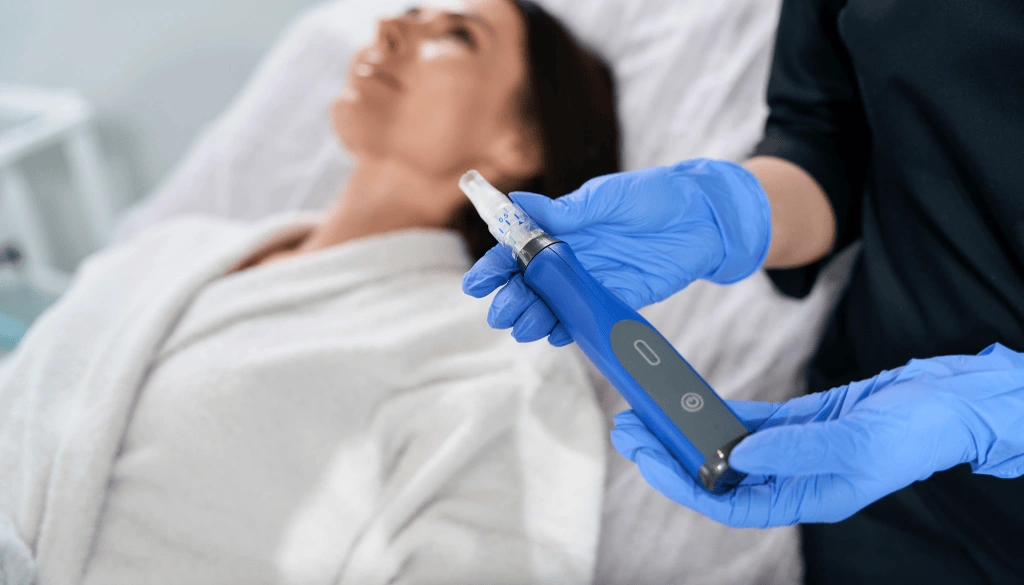
Even with the best device, your results are still shaped by biology and behavior. Age, scar depth, lifestyle, sun exposure, and skincare consistency all influence how quickly collagen remodeling shows up and how long it lasts. This is why two people can do the “same” treatment and have different outcomes—what you’re starting with matters, and so does what you do between appointments.
Age, Skin Thickness, And Natural Collagen Levels
Collagen naturally declines over time, which can make improvements take longer to build and easier to lose without maintenance. That doesn’t mean SkinPen won’t work—it simply means a series may need to be a bit longer or followed by consistent maintenance. For patients focused on rejuvenation, a provider may emphasize steady, spaced treatments rather than chasing an overly aggressive approach that irritates the skin.
Severity Of Scars, Lines, Or Texture Issues
Not all acne scars are the same. More shallow textural irregularities can respond more quickly than deeper tethered scars, and widespread scarring usually needs more sessions than one isolated area. That’s why “how many sessions” should be framed as a range, not a promise. The goal is steady improvement you can see in photos over months, not unrealistic perfection in a week.
Lifestyle Factors That Slow Results
Your skin is doing repair work after microneedling, and certain habits can sabotage that process. Sun exposure is a big one because UV breaks down collagen and can worsen uneven tone; smoking is another factor that dermatology guidance highlights when discussing how results fade over time. If you’re investing in a series, protecting your collagen investment between sessions is part of the treatment.
SkinPen With Exosomes: What To Know Before You Add On
Exosomes have become a popular add-on discussion in aesthetics, often described as a way to support recovery and results when paired with procedures like microneedling. The important reality is that evidence is still emerging, and regulation matters. You should approach any exosome add-on as something to evaluate carefully with a medically guided provider, not as a guaranteed shortcut.
What The Evidence Suggests (And What It Doesn’t)
There are published reviews and early clinical studies exploring topical exosome use in dermatology, including after procedures like microneedling, with some promising findings in specific settings. At the same time, “promising” is not the same as universally proven, and study designs, product sources, and endpoints vary widely. A responsible plan frames exosomes as potentially supportive, not as a replacement for a well-designed SkinPen series.
Safety And Regulatory Reality In The U.S.
From a consumer-safety standpoint, it’s essential to know that the FDA has stated there are currently no FDA-approved exosome products (in general, products intended to treat diseases or conditions would require FDA approval). That doesn’t automatically mean every topical product is unsafe, but it does mean you should ask clear questions about sourcing, handling, and what claims are being made. In a consult, transparency matters more than hype.
What To Expect After Each Session
Knowing what recovery looks like helps you plan your calendar and reduces anxiety when your skin is red or tight. Microneedling is commonly described as minimally invasive with downtime that ranges from a mild sunburn look to a short peel, and many people resume normal activities quickly. Your exact experience depends on intensity, sensitivity, and aftercare, so the safest expectation is “a few days of visible recovery.” asds.net+2Cleveland Clinic+2
Downtime And A Simple Healing Timeline
Right after treatment, it’s common to see redness and mild swelling, and your skin may feel warm or tight. Medical guidance notes redness and swelling can last up to several days, and dryness or flaking can show up as the skin recovers. Many people can wear makeup the day after treatment, but sun avoidance while healing is strongly recommended because fresh skin is more vulnerable.
Aftercare Do’s And Don’ts
- Do protect the barrier like it’s your job. Keep your routine gentle for the first several days, lean on moisturizer if you’re dry or flaking, and prioritize sun avoidance while you heal. This isn’t just comfort—barrier protection reduces irritation risk and supports more even-looking recovery, which matters if you’re prone to discoloration or sensitivity after inflammation.
- Don’t rush back into harsh actives or aggressive exfoliation. Even if your skin “looks fine” after 24 hours, it’s still in repair mode beneath the surface. Overdoing acids, retinoids, or scrubs too soon can trigger prolonged sensitivity and redness, which can delay your next session and make progress feel slower than it should. Follow your provider’s timing instructions closely.
- Do watch for red flags, not just redness. Normal post-treatment redness should steadily improve, but if you have concerning symptoms—like prolonged swelling beyond a week, blistering, or bleeding that doesn’t stop within about a day—medical guidance recommends contacting your healthcare provider. This is uncommon, but knowing what’s not normal is part of safe treatment planning.
Maintenance: How To Keep Results Long-Term
Once you’ve earned your results, the next question is how to maintain them without feeling like you’re in a never-ending cycle. The reality is that collagen naturally declines with time, and your results can fade at different rates depending on genetics, lifestyle, and sun exposure. Many patients maintain improvements with periodic sessions, often around once a year, plus consistent sun protection.
When Maintenance Sessions Make Sense
If you’ve completed your initial series and love your skin, maintenance is often less about chasing new goals and more about preserving what you built. Dermatology guidance commonly mentions a yearly maintenance session as a way to sustain results as collagen decreases over time. Some patients choose more frequent maintenance depending on goals, but a yearly cadence is a common, realistic baseline.
Pro Tip: Take progress photos in the same lighting, same angle, and same facial expression every 4 weeks (front + both profiles). Microneedling improvements can be subtle week-to-week, so consistent photos prevent you from underestimating progress. This also helps your Kenshoderm provider adjust needle depth, session spacing, and add-ons based on visible changes—not memory, which is unreliable over months.
Final Takeaway And Next Step
Most people get the most satisfying SkinPen results when they treat it as a series: often at least three sessions, spaced weeks apart, with improvements that build over 3 to 6 months rather than overnight. If acne scarring is the main goal, it’s common to need multiple treatments and to plan for gradual change over months, not days. The right plan is the one tailored to your skin’s needs and recovery pattern.
At Kenshoderm in Arlington, VA, SkinPen Microneedling (Face) starts at $450, and your consultation is where we’ll match your goals—texture, fine lines, acne scars, or overall rejuvenation—to a realistic session plan and timeline. Book your consultation to get a personalized recommendation, including how many sessions make sense for your skin and what to expect after each visit.
FAQs
Does SkinPen Microneedling Hurt?
Most patients describe SkinPen as tolerable, with discomfort similar to light scratching or sandpaper. A topical numbing cream is typically applied beforehand to reduce sensation. Sensitivity varies by treatment depth and area treated, and the forehead can feel more intense than cheeks. Communicate during treatment so adjustments can be made.
Who Should Not Get SkinPen Microneedling Right Now?
You should postpone microneedling if you have an active skin infection, cold sore outbreak, or open wound in the treatment area. People prone to keloid scarring, those using isotretinoin recently, or anyone with inflammatory skin disease may need alternatives. If you are pregnant or breastfeeding, discuss timing with your clinician.
When Can I Work Out, Swim, Or Wear Makeup After Treatment?
Plan to keep skin clean and calm for at least 24 hours. Many providers recommend avoiding makeup, sweating, hot tubs, saunas, and swimming until the skin barrier settles. Gentle cleansing and moisturizer are usually fine. Because protocols vary by depth and products used, follow your aftercare instructions for exact timing.
Can SkinPen Help If I Still Get Active Breakouts?
SkinPen is most often used to improve acne scarring and texture after breakouts are controlled, not to treat active acne. Needling over inflamed pimples can increase irritation and infection risk. Your provider may avoid active lesions and focus on scarred areas, while coordinating acne control with appropriate skincare or therapy.
Is SkinPen Safe For Darker Skin Tones?
Yes, many people with deeper skin tones can be treated, but technique and aftercare matter because inflammation can trigger post-inflammatory hyperpigmentation. A clinician may use conservative depths, fewer passes, and pigment-safe pre/post care, plus broad-spectrum sunscreen consistently. Tell your provider if you have a history of dark marks after irritation.