
Exosome-enhanced microneedling has become one of the most talked-about regenerative-leaning treatments in aesthetics because it pairs a proven collagen-stimulating procedure with a newer category of biologically active topical ingredients.
For patients exploring smoother texture, softer fine lines, more even tone, or improvement in acne scarring, the big planning question is practical, not theoretical: how many visits should you budget for to get a result that feels worth it? This blog explains typical session ranges, how spacing works, what may change your plan, and how to set realistic expectations while keeping safety and evidence front and center. The goal is clarity, not hype.
Key Takeaways
- Most patients need 3–6 sessions total.
- Mild aging often needs three sessions.
- Acne scars may require more treatments.
- Space sessions four to six weeks.
- Aftercare and sunscreen maximize your results.
Why This Question Matters Before You Start
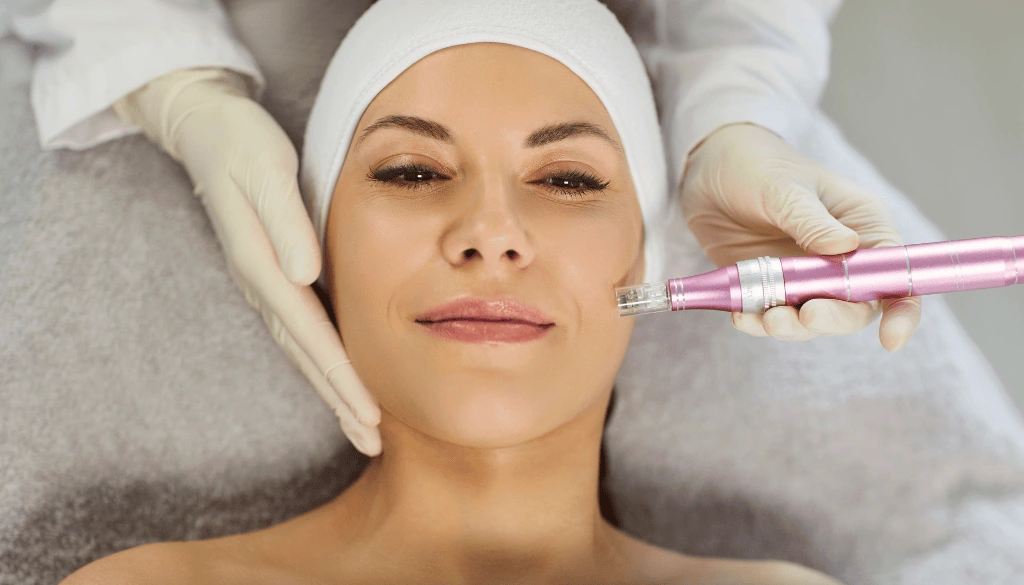
Before you commit to any treatment series, understanding the likely number of sessions helps you set realistic goals and avoid disappointment. Microneedling results build gradually because collagen remodeling takes time, and many skin concerns—especially acne scars and deeper texture changes—respond best to a structured series rather than a single session. Clinical and expert guidance around microneedling commonly emphasizes multiple treatments and appropriate healing windows, which is why a plan matters as much as the procedure itself.
When exosomes enter the conversation, the need for a thoughtful plan becomes even more important. Exosomes are widely discussed for their potential signaling and regenerative roles, but in aesthetics, products and protocols are not standardized across the industry. The FDA has also stated there are currently no FDA-approved exosome products intended to treat diseases or conditions in humans, which underscores the importance of careful provider selection and realistic, cosmetic-focused expectations.
Quick Answer: Typical Session Ranges
As a general starting point, many patients seeking overall rejuvenation or early signs of aging often do a short series of about three to four sessions. For more defined concerns—like noticeable fine lines, stubborn texture, sun-related tone changes, or acne scarring—treatment plans may extend closer to four to six sessions, sometimes more depending on scar type and depth. Published discussions of microneedling for scars note that protocols vary, but multi-session approaches are commonly needed to achieve meaningful changes.
It’s also worth remembering that “really need” is not a universal number. Two people with the same headline concern may need different series lengths because of skin thickness, age, prior procedures, and healing response. The best way to interpret these ranges is as a planning baseline that can be adjusted after your first one or two treatments, once your provider sees how your skin responds.
How Exosome + Microneedling Works Together
Microneedling—also called collagen induction therapy—creates controlled micro-injuries that trigger the skin’s natural repair response, leading to collagen and elastin production over time. This mechanism is well established in cosmetic dermatology and is used for concerns such as acne scars, fine lines, enlarged pores, and uneven texture. Post-treatment redness and short-lived sensitivity are common, and professional devices are generally recommended over at-home tools for safety and results.
Topical exosomes are described as tiny extracellular vesicles involved in cell-to-cell signaling. In theory, applying them after microneedling could enhance recovery signals and support improvements in tone and texture, but the evidence base in aesthetic use is still evolving and complicated by differences in sourcing, processing, and formulation. High-quality patient education should acknowledge both the promise and the current limits of clinical standardization.
What Determines Your Ideal Number Of Sessions
The biggest driver of session count is your primary goal. Mild dullness, early fine lines, or a desire for a refreshed glow may respond well to a shorter series, while acne scarring and deeper textural irregularities typically require more sessions to create measurable remodeling. Research and reviews on microneedling in atrophic scars highlight variability in protocols, with many approaches using several sessions spaced over weeks to months.
Your skin’s baseline health and healing capacity matter just as much. Factors like consistent sun protection, stable skincare routines, good sleep, and avoidance of smoking can influence collagen outcomes. If your aftercare is inconsistent—like using harsh actives too early or skipping sunscreen—your provider may slow down your schedule or recommend additional sessions to reach the same endpoint safely.
A Realistic Results Timeline
After your first session, you may notice short-term improvements in glow and softness as inflammation resolves and the skin’s barrier recovers. However, deeper results usually appear gradually because new collagen formation and remodeling can take weeks to months. This is why reputable guidance suggests evaluating outcomes several weeks after each treatment and assessing the overall change after a series, rather than judging your results solely by the first visit.
Many patients feel the most noticeable difference after the second or third session, especially for tone and fine lines. For acne scars and more pronounced texture, the timeline can be longer, and improvements may continue for months after your final session. A good consultation will outline this slower, cumulative arc so your expectations match the biology of healing.
Recommended Spacing Between Sessions
Most professional recommendations for microneedling emphasize giving the skin adequate time to heal and rebuild collagen before repeating the procedure. Dermatology resources commonly reference intervals around four to six weeks, and earlier foundational literature notes that collagen formation is not instant, making overly frequent treatments a poor strategy for long-term remodeling.
Spacing becomes even more relevant when adding high-activity topical products such as exosome formulations. Regardless of the brand used, your provider should prioritize skin integrity, minimize unnecessary irritation, and adjust timing if you experience prolonged redness, barrier disruption, or post-inflammatory pigment risk. The safest schedule is the one that respects your personal healing pattern.
Session Planning By Concern
The table below summarizes practical, patient-friendly ranges that many clinics use as a starting framework, aligned with typical microneedling guidance and scar literature. These are not rigid rules, but they can help you visualize a plan before your consultation.
| Primary Goal | Common Starting Series | Typical Interval | Notes |
|---|---|---|---|
| General Rejuvenation And “Glow” | 3–4 sessions | 4–6 weeks | Often focuses on texture, pores, and early collagen support. |
| Fine Lines And Mild Laxity | 3–5 sessions | 4–6 weeks | Results build gradually; maintenance helps preserve gains. |
| Uneven Tone Or Mild Hyperpigmentation | 3–5 sessions | 4–6 weeks | Sun protection and gentle aftercare are essential. |
| Atrophic Acne Scars | 4–6+ sessions | 4–6 weeks | Severity and scar type can require longer series. JDD Online+1 |
Pro Tip: Treat The Aftercare Like Part Of The Procedure
A simple way to improve your odds of needing fewer total sessions is to take aftercare as seriously as the treatment itself. For the first week, prioritize gentle cleansing, hydration, and strict daily sunscreen, and avoid strong exfoliants or retinoids until your provider confirms your skin is ready.
This approach reduces unnecessary inflammation and lowers the risk of post-inflammatory hyperpigmentation, helping you stay on schedule and get cleaner results from each visit. Guidance on microneedling aftercare and cautious recovery supports this conservative strategy.
Exosome Microneedling vs PRP Microneedling
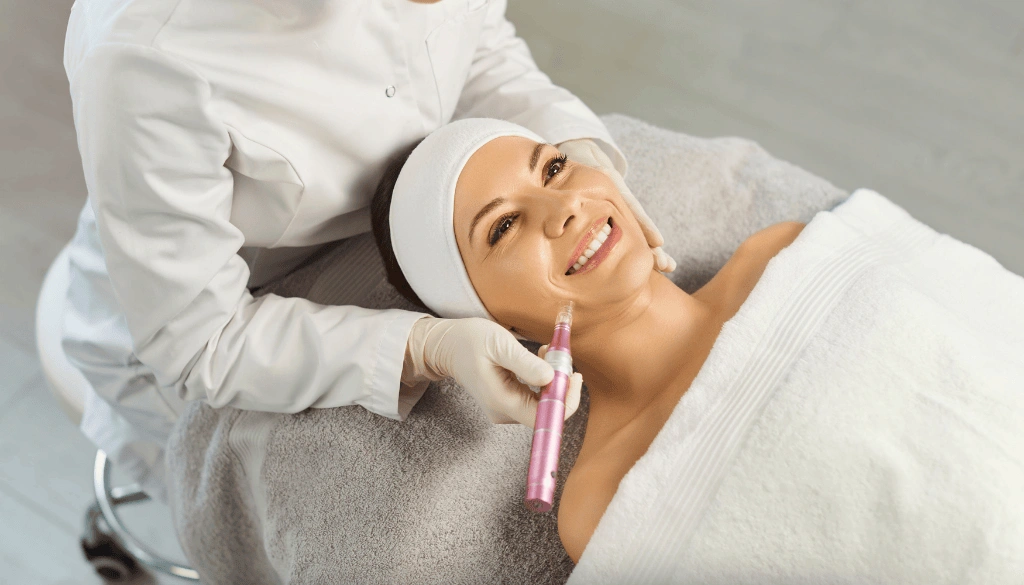
Patients often ask whether exosomes or PRP is the better add-on to microneedling. PRP uses your own platelets and has a longer track record in aesthetic practice for supporting healing and collagen-focused improvement, though outcomes can still vary by person. Consumer-friendly medical overviews note that combination approaches like PRP with microneedling may enhance results beyond microneedling alone.
Exosomes are newer in the aesthetic conversation and carry more variability in sourcing and regulatory nuance. The FDA’s public communications emphasize that exosome products intended to treat diseases or conditions require approval and that there are currently no FDA-approved exosome products for such uses. This does not automatically define every topical cosmetic formulation in every context, but it does reinforce the importance of choosing a reputable medical practice that focuses on safe, cosmetic indications and transparent patient education.
When You Might Need Fewer Or More Sessions
You may need fewer sessions if your goals are mild, your skin is generally healthy, and you are consistent with aftercare and sun protection. Patients who are treating early fine lines or mild texture irregularities often achieve satisfying improvements within a shorter series, then transition to maintenance. This pattern aligns with common microneedling practice where results are built in a series and protected with periodic touch-ups.
You may need more sessions if you have deeper atrophic acne scars, mixed scar types, or a long history of inflammation-related texture changes. Some scar subtypes respond more slowly, and combination approaches—such as pairing microneedling with other modalities in carefully selected cases—may be recommended to optimize outcomes. Your provider should explain why extra sessions are advised and what measurable changes you should expect after each stage.
Closing Thoughts And A KenshoDerm Next Step
So, how many exosome microneedling sessions do you really need? For many people, the realistic answer lands in the three-to-six range, with the lower end aimed at refresh and early ageing support and the higher end aimed at scars and more stubborn texture. The most trustworthy plan is built around your skin’s baseline, your goals, and how you respond after the first one or two treatments, not just a package number.
At Kenshoderm, we approach Exosome Facial + SkinPen Microneedling with a personalized, education-first mindset. If you’re considering this treatment in Arlington, a consultation can help you map a sensible series, understand expected timelines, and choose the safest path to brighter, firmer, calmer-looking skin—without overpromising or rushing your results.
FAQs
Is Exosome Microneedling Painful?
Most people feel mild to moderate discomfort. A topical numbing cream is usually applied for about 30 minutes to improve comfort. You may still sense pressure, vibration, or a scratchy feeling. Sensitivity varies by treatment depth and area, with forehead and upper lip often stronger for many during initial passes.
What Should I Avoid Before My Appointment?
Avoid sunburn, tanning, and aggressive exfoliation for a week beforehand. Pause retinoids, strong acids, and benzoyl peroxide three to five days before, unless your provider advises otherwise. Arrive with clean skin and disclose any history of cold sores so preventive medication can be considered when appropriate to minimize irritation risk.
When Can I Wear Makeup Again?
Makeup is typically avoided for the first 24 hours to reduce irritation and infection risk while micro-channels close. After that, many people can resume light, non-comedogenic makeup if redness has settled. Use clean brushes, avoid heavy foundations, and skip fragranced products until your skin feels fully calm for best healing.
Is This Treatment Safe For Deeper Skin Tones?
Darker skin tones can be good candidates, but technique and aftercare matter. Conservative depth, careful spacing, and strict sunscreen help reduce post-inflammatory hyperpigmentation risk. Your provider may recommend pigment-safe skincare before and after treatment. Share any history of melasma or discoloration reactions. Patchy pigment history deserves caution and slower treatment.
How Do I Choose A Trustworthy Exosome Option?
Because exosome products vary in source and processing, ask your provider which product they use, its quality controls, and intended cosmetic purpose. Choose a medical practice that explains benefits and uncertainties clearly. Be wary of claims to treat diseases, replace medical care, or guarantee dramatic results with realistic, measurable goals.