
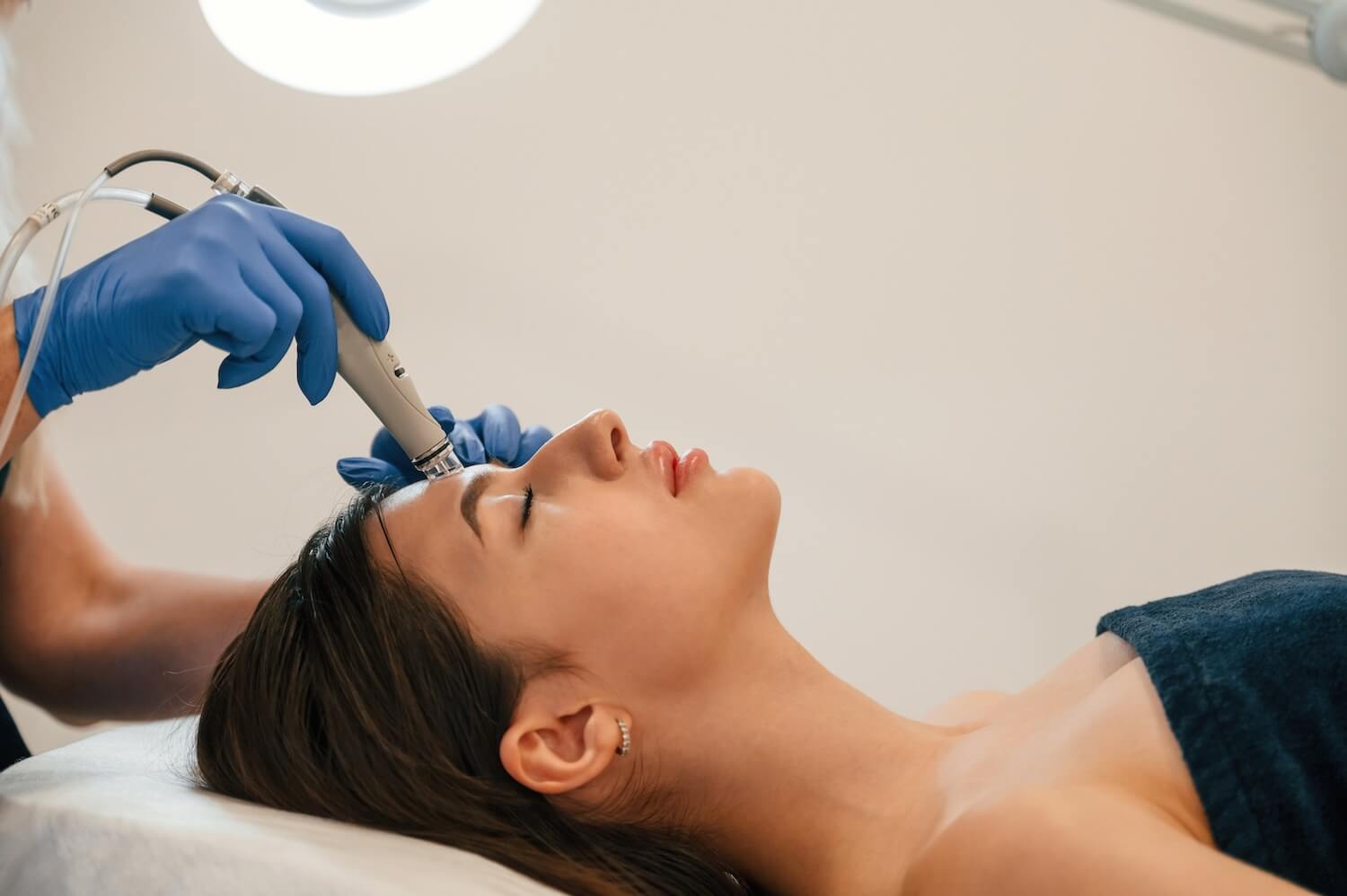
Living in Arlington, VA, means embracing an active, outdoor-oriented lifestyle combined with urban conveniences. The local climate—with its humid summers, cold winters, and a fair share of sunshine—can take a toll on your skin. Whether it’s from UVA/UVB rays during long summer days or dry air in winter, your skin faces constant challenges that can lead to premature aging, sunspots, acne scars, and uneven texture.
Fortunately, modern cosmetic dermatology has brought forth a variety of treatments designed to refresh and rejuvenate your skin. Two of the most sought-after treatments in Arlington’s thriving aesthetic clinics are chemical peels and microneedling. Each has distinct advantages and treatment protocols, making it important to understand their differences and benefits before committing.
In this comprehensive guide, we’ll break down both treatments, explore which skin concerns they best address, dive into the treatment experience, recovery, and how to choose the ideal option for you—right here in Arlington.
Understanding Chemical Peels: A Classic Skin Resurfacing Treatment
Chemical peels have been a cornerstone of cosmetic dermatology for decades, prized for their ability to exfoliate, brighten, and smooth skin by carefully removing damaged outer layers.
How Chemical Peels Work
The chemical peel treatment involves applying a chemical solution to the skin—typically composed of acids such as alpha hydroxy acids (AHAs), beta hydroxy acids (BHAs), trichloroacetic acid (TCA), or phenol—which breaks down the bonds between dead skin cells. This controlled damage causes the skin to peel over days or weeks, revealing fresher, healthier skin beneath.
Types and Depths of Chemical Peels
Choosing the right peel depends on your skin type, concerns, and desired downtime:
- Superficial Peels: These light peels primarily use AHAs (like glycolic or lactic acid) or BHAs (salicylic acid). They only penetrate the epidermis, the outermost layer of skin, making them safe for most skin types, including sensitive skin. These peels address mild discoloration, rough texture, and minor acne.
- Medium Peels: Using stronger acids like TCA, these penetrate deeper into the epidermis and upper dermis, making them effective against moderate sun damage, wrinkles, and uneven pigmentation. Recovery can take several days to a week.
- Deep Peels: The most aggressive, often using phenol, deep peels reach the deeper dermis and are used for severe wrinkles, scarring, and hyperpigmentation. Due to the depth of penetration, deep peels require significant downtime and professional medical supervision.
Benefits of Chemical Peels
Chemical peels are widely valued for their versatility and effectiveness in:
- Improving skin tone and texture.
- Reducing fine lines and wrinkles.
- Fading hyperpigmentation, age spots, and sun damage—common issues for Arlington residents due to the area’s significant sun exposure.
- Clearing and preventing acne and reducing acne scars.
- Stimulating collagen production, which improves skin elasticity and resilience over time.
Chemical Peels and Arlington’s Environmental Impact
Given Arlington’s urban environment, with occasional air pollution and exposure to sun during outdoor activities such as hiking the trails or spending time at local parks like Theodore Roosevelt Island, skin protection and repair become vital. Chemical peels help combat damage caused by environmental stressors by accelerating skin cell turnover and clearing away pollutants trapped in pores.
What to Expect During a Chemical Peel
In a typical clinic:
- Your provider cleanses your face thoroughly.
- The peel solution is applied carefully with a brush or cotton applicator.
- You may experience a tingling or mild burning sensation lasting several minutes.
- The solution is neutralized or removed depending on the type.
- Post-treatment, your skin may appear red and feel sensitive, with peeling lasting from a couple of days (superficial peel) to two weeks (medium/deep peels).
Recovery and Aftercare
Sun protection is paramount. Sunny days, especially in summer, require diligent use of broad-spectrum sunscreen to protect your freshly exposed skin layers. Moisturizers and gentle skincare are also advised.
Understanding Microneedling: The Cutting-Edge Collagen Induction Therapy
Microneedling is a minimally invasive treatment that uses tiny needles to puncture the skin, triggering your skin’s natural healing processes that boost collagen and elastin production.
How Microneedling Works
A handheld device or automated pen with fine needles is used to create microchannels in the skin. These controlled injuries:
- Stimulate fibroblasts to produce collagen, a key protein for youthful skin.
- Enhance absorption of topical serums applied during or immediately after treatment.
- Promote skin regeneration from the inside out.
Benefits of Microneedling
Microneedling has gained popularity due to its broad range of benefits:
- Reduces fine lines and wrinkles.
- Improves skin texture and firmness.
- Fades acne scars and other types of scars.
- Shrinks enlarged pores.
- Enhances skin tone and brightness.
- Safe and effective across all skin types, including darker skin tones prone to hyperpigmentation—a significant consideration given Arlington’s diverse population.
Microneedling in Arlington’s Busy Lifestyle
With typically minimal downtime—usually redness and mild swelling for 1-3 days—microneedling suits anyone who wants noticeable results without significant interruption to their work or social life. Treatments that allow rapid return to daily activities are often preferred.
Procedure and Recovery
During microneedling:
- The skin is cleansed and numbing cream may be applied.
- The device creates micro-injuries by stamping or rolling over the skin.
- Post-treatment, redness resembling a mild sunburn is normal.
- Recovery requires avoiding makeup for at least 24 hours, using gentle skincare, and applying sunscreen diligently.
Chemical Peels vs. Microneedling: A Side-by-Side Comparison
| Feature | Chemical Peels | Microneedling |
|---|---|---|
| Mechanism | Chemical exfoliation removing outer skin layers | Mechanical stimulation creating micro-injuries |
| Target Concerns | Pigmentation, texture, fine lines, sun damage | Scars, wrinkles, texture, firmness, pores |
| Best For | Uneven tone, discoloration, mild to moderate wrinkles | Acne scars, firmness, enlarged pores, collagen stimulation |
| Skin Type Compatibility | Depends on peel type; some risk for darker skin | Safe for all skin tones, including darker skin |
| Downtime | Ranges from none (superficial) to weeks (deep) | Minimal, usually 1-3 days of redness |
| Pain/Discomfort | Mild to moderate stinging during peel application | Mild discomfort, often tolerable without anesthesia |
| Treatment Frequency | Monthly to quarterly depending on peel depth | Every 4-6 weeks, multiple sessions for best results |
| Result Onset | Visible after peeling and healing; cumulative with repeated peels | Gradual improvement over weeks to months |
| Additional Benefits | Exfoliation, pigment correction | Collagen induction, enhanced absorption of serums |
Who Should Choose Chemical Peels?
Chemical peels are ideal if you:
- Want rapid improvement in uneven skin tone or pigmentation issues, including sunspots common in Arlington due to ample summer sun.
- Are battling mild to moderate wrinkles and rough texture.
- Have acne-prone or oily skin that benefits from exfoliation.
- Can commit to necessary aftercare and possible downtime.
- Prefer a procedure with a long-established track record and extensive research backing.
Chemical Peels Are Particularly Popular For…
- People looking for a fresh “glow” before events.
- Those who spend significant time outdoors, as peels can help repair sun-damaged skin.
- Individuals with discoloration or melasma, where medium peels can provide effective results.
Limitations
- Chemical peels may not be suitable for people with very sensitive skin, active cold sores, eczema, or rosacea.
- Deep peels require medical supervision and significant downtime.
- Risk of hyperpigmentation in darker skin tones if not performed carefully.
Who Should Choose Microneedling?
Microneedling fits perfectly if you:
- Want to improve acne scars or stretch marks.
- Are concerned about skin firmness, fine lines, or enlarged pores.
- Have sensitive or darker skin prone to hyperpigmentation where peels might pose risks.
- Need a treatment with minimal downtime that fits a busy lifestyle.
- Wish to enhance the efficacy of topical skincare products.
Microneedling Benefits for Arlington’s Diverse Skin Types
Arlington is known for its cultural and ethnic diversity, meaning skin types vary widely from fair to deeply pigmented. Microneedling’s broad safety profile makes it a great option to address signs of aging or scarring without the pigment risks that some chemical peels carry.
Can You Combine Chemical Peels and Microneedling?
Many clinics recommend a combined approach for certain patients:
- Start with microneedling sessions to stimulate collagen.
- Follow with a gentle chemical peel to exfoliate and brighten.
This strategy can offer comprehensive skin renewal, but it requires careful timing and professional guidance to avoid irritation or over-treatment.
The Arlington Treatment Experience: What to Expect
Consultation: The First Step
Before undergoing chemical peels or microneedling, a detailed consultation is essential. Providers will:
- Assess your skin type, history, and concerns.
- Discuss lifestyle factors like sun exposure, skincare routine, and expectations.
- Develop a personalized treatment plan, possibly combining both treatments.
Procedure Environment
Arlington boasts many state-of-the-art med spas and dermatology clinics, blending medical expertise with luxurious comfort. The procedures are performed by licensed aestheticians, dermatologists, or trained professionals ensuring safety and excellent outcomes.
Post-Treatment Care
Whether you choose chemical peels or microneedling, following aftercare instructions is critical:
- Avoid sun exposure; use broad-spectrum sunscreen SPF 30+.
- Use gentle cleansers and moisturizers.
- Avoid makeup for at least 24 hours post-treatment.
- Stay hydrated and avoid strenuous exercise immediately after.
Pricing and Accessibility in Arlington
In today’s competitive aesthetic market, prices vary but are generally:
- Superficial chemical peels: $150-$300 per session.
- Medium/deep peels: $500+ per session.
- Microneedling: $200-$450 per session.
Packages often provide cost savings for multiple treatments.
Arlington residents enjoy access to a wide range of options—from high-end medical spas to dermatology offices—making it easy to find a solution fitting your budget and preferences.
Final Verdict: Which Treatment is Best for You?
Chemical Peels are Right for You If:
- You want quick exfoliation and improvement in pigmentation or sun damage.
- You can manage some downtime.
- You prefer a well-established, straightforward treatment.
- You want to treat oily, acne-prone skin.
Microneedling is Right for You If:
- You seek gradual collagen stimulation to improve scars, wrinkles, and skin texture.
- You need minimal downtime and a flexible schedule.
- You have sensitive or darker skin.
- You want to boost the effectiveness of your skincare products.
Ultimately, the best choice depends on your skin goals, lifestyle, and personal preferences. Many Arlington skincare experts recommend personalized combinations for optimal results.
Taking the Next Step in Arlington: Consult with a Professional
Ready to start your skin transformation? KenshŌDerm offers complimentary consultations to help you decide between chemical peels and microneedling. With expert advice tailored to your skin and lifestyle, you can confidently take the next step toward glowing, youthful skin.