
Dark spots and uneven skin tone can make your skin look dull, tired, or older than you feel. These concerns can appear after sun exposure, acne breakouts, aging, hormonal changes, or years of inconsistent skincare. While brightening creams and exfoliating products may help, they often work slowly and may not be enough for stubborn discoloration.
Have you ever wondered why some dark spots stay visible even after using brightening products for weeks or months? In many cases, discoloration is not just a surface-level concern. It may involve built-up damaged skin cells, inflammation, or pigmentation that needs a more targeted approach.
Chemical peels for dark spots and uneven skin tone are designed to exfoliate the outer layers of the skin and support fresh skin renewal. When performed professionally, a chemical peel can help brighten the complexion, smooth rough texture, and reduce the visible appearance of pigmentation over time.
Key Takeaways
- Chemical peels brighten uneven skin tone.
- Dark spots fade gradually with treatment.
- Professional guidance helps reduce irritation risks.
- Sunscreen protects chemical peel results longer.
- Proper aftercare supports smoother skin renewal.
What Causes Dark Spots And Uneven Skin Tone?
Dark spots and uneven tone can develop for several reasons. Understanding the cause is important because the right treatment plan depends on your skin type, pigmentation pattern, and how your skin responds to exfoliation.
Common causes include:
- Sun exposure that triggers excess pigment
- Acne marks left after breakouts heal
- Age spots caused by long-term UV exposure
- Hormonal pigmentation, including melasma-like discoloration
- Skin inflammation from irritation or picking
- Uneven buildup of dead skin cells
- Lack of daily sunscreen use
The American Academy of Dermatology notes that chemical peels are used for concerns such as uneven skin tone, age spots, acne, and fine lines, but aftercare and sun protection are important parts of recovery.
How Chemical Peels Help Improve Skin Discoloration
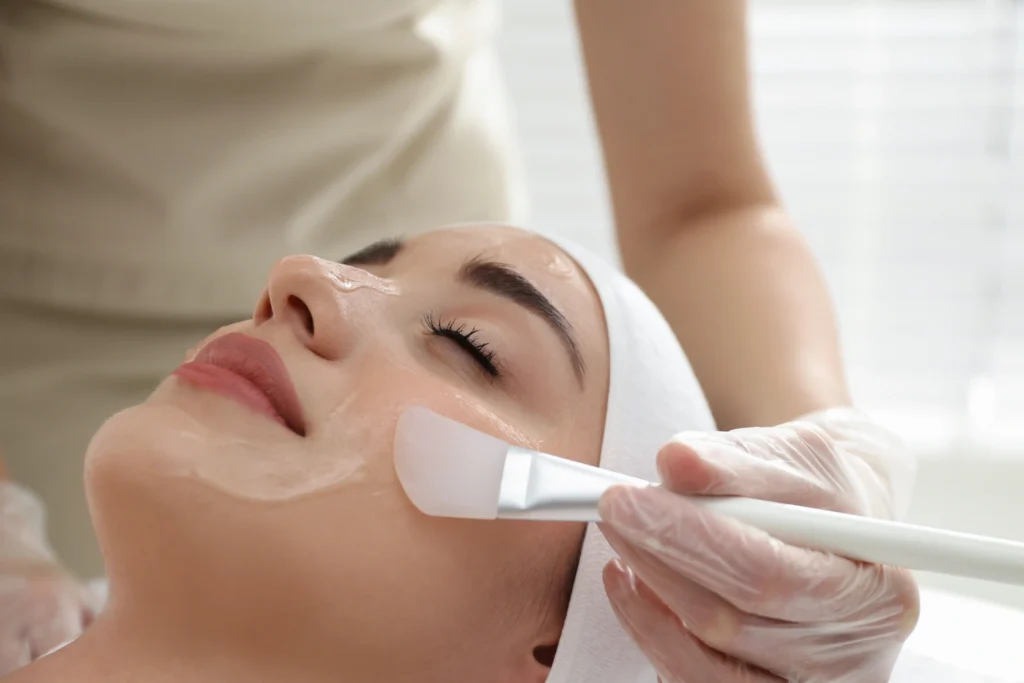
Chemical peels work by applying a controlled chemical solution to the skin. This solution exfoliates the outer layers, helping dull or damaged skin shed so a fresher layer can appear.
For dark spots and uneven tone, this process can help because many visible pigment concerns are made worse by damaged surface cells and slow cell turnover. By encouraging exfoliation, chemical peels can gradually make the skin look brighter, smoother, and more even.
Chemical peels may help:
- Remove dull surface buildup
- Improve rough or uneven texture
- Fade the look of dark spots
- Brighten tired-looking skin
- Support smoother skin renewal
- Reduce the appearance of post-acne marks
The depth and strength of the peel matter. Light peels usually involve less downtime, while medium or deeper peels may produce more noticeable peeling and require longer recovery. Mayo Clinic explains that chemical peels vary in depth and can be used to improve skin texture, discoloration, and signs of aging.
Types Of Dark Spots Chemical Peels Can Address
Not all dark spots are the same. Some are caused by sun exposure, while others come from acne, irritation, or natural aging. A professional skin evaluation helps determine which type of peel is safest and most appropriate.
Sun Damage
Sun damage is one of the most common causes of dark spots. These spots often appear on areas that receive frequent UV exposure, especially the face, cheeks, forehead, and upper lip.
Chemical peels can help improve the look of sun-damaged skin by exfoliating damaged surface layers. However, sun protection is essential because UV exposure can cause spots to return or become darker.
Acne Marks
After acne heals, it can leave behind red, brown, or dark marks. These are not always true scars, but they can make the skin look uneven for months.
Chemical peels may help improve the appearance of post-acne discoloration by encouraging dead skin cells to shed more evenly. Some peels may also support acne-prone skin by helping keep pores clearer, depending on the peel used.
Uneven Tone
Uneven skin tone can come from a mix of pigmentation, dryness, texture, and slow cell turnover. When dead skin cells build up, the complexion may look patchy, rough, or dull.
A chemical peel can help refresh the surface of the skin, making it look brighter and more polished.
What To Expect During A Chemical Peel
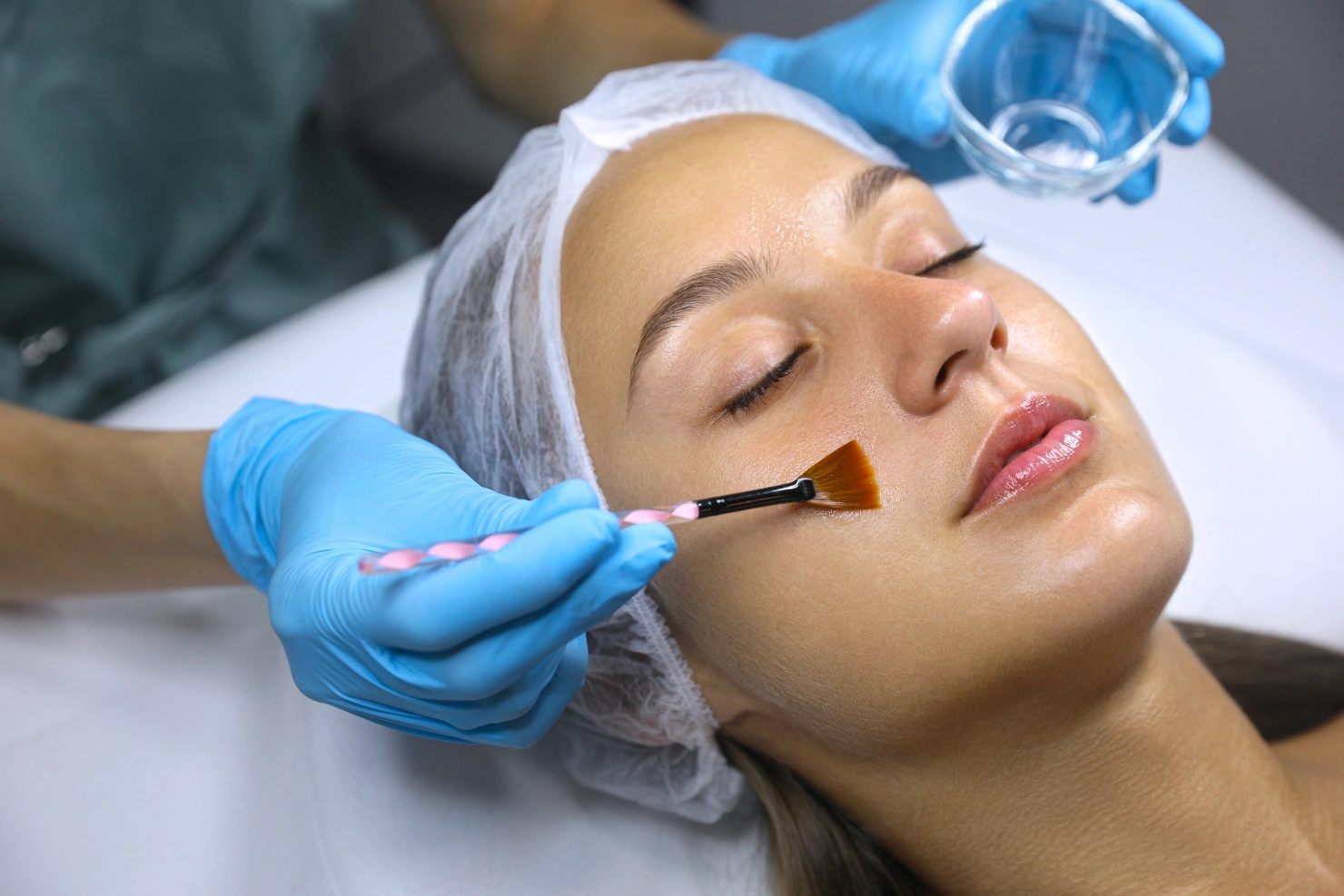
A professional chemical peel is a controlled treatment. The goal is to exfoliate the skin safely while choosing the right peel type for your skin condition and comfort level.
At kenshoderm, your treatment may begin with a skin consultation. This allows the provider to review your skin goals, current skincare routine, sensitivity, and history of pigmentation.
A typical chemical peel appointment may include:
- Skin evaluation and consultation
- Cleansing the face
- Preparing the skin for treatment
- Applying the chemical peel solution
- Mild tingling, warmth, or tightness
- Neutralizing or removing the peel, depending on the formula
- Applying calming products and sun protection
Some people feel mild stinging or warmth during the treatment. This is common, but the provider should monitor your skin throughout the process.
Chemical Peel Benefits For Brighter-Looking Skin
Chemical peels are popular because they can address several skin concerns at once. While many people choose them for dark spots, the treatment can also improve the overall look and feel of the skin.
Main benefits may include:
- Brighter-looking complexion
- Smoother skin texture
- More even skin tone
- Reduced appearance of fine lines
- Softer-looking acne marks
- Improved dullness
- Refreshed, healthier-looking skin
A chemical peel does not erase every spot overnight. Instead, it works by supporting gradual skin renewal. Depending on the depth of discoloration, multiple treatments may be recommended for better visible improvement.
Chemical Peel Types And Downtime
Different chemical peels reach different layers of the skin. The right option depends on your skin goals, lifestyle, downtime tolerance, and risk of irritation.
| Peel Type | Best For | Common Downtime | What To Know |
|---|---|---|---|
| Light Peel | Mild discoloration, dullness, rough texture | 1 to 7 days | Usually involves redness, dryness, or light flaking |
| Medium Peel | More visible pigmentation, texture, acne marks | 7 to 14 days | May involve more peeling and sensitivity |
| Deep Peel | Severe sun damage or deeper wrinkles | Several weeks or more | Requires medical supervision and has higher risks |
The American Academy of Dermatology states that light peels may heal within 1 to 7 days, while deeper peels need more recovery and closer aftercare. Cleveland Clinic also notes that people with darker skin tones may have a higher risk of post-inflammatory hyperpigmentation after chemical peels, which is why professional guidance matters.
Chemical Peel Results: What To Expect After Treatment

Results vary from person to person. Your outcome depends on your skin type, the type of peel used, the severity of your dark spots, and how well you follow aftercare instructions.
After a peel, your skin may feel tight, dry, warm, or sensitive. Some people experience visible peeling, while others only notice light flaking. Dark spots may temporarily look more noticeable before they begin to fade as the skin sheds.
You may notice:
- Mild redness or sensitivity
- Dryness or tightness
- Flaking or peeling
- Brighter skin after shedding
- Gradual improvement in tone
- Smoother texture over time
It is important to be patient. Dark spots often develop over months or years, so improving them usually takes time and consistency.
Chemical Peel Aftercare For Dark Spots
Aftercare is one of the most important parts of chemical peel success. Your skin is more sensitive after treatment, and poor aftercare can increase irritation or worsen discoloration.
Follow these aftercare tips:
- Avoid direct sun exposure
- Wear broad-spectrum sunscreen daily
- Do not pick, scrub, or peel flaking skin
- Use a gentle cleanser
- Keep the skin moisturized
- Avoid harsh exfoliants until cleared
- Pause retinoids or strong actives if instructed
- Follow your provider’s exact aftercare plan
Pro Tip: Schedule your chemical peel when you can avoid heavy sun exposure, outdoor events, and harsh skincare products for several days. Protecting your skin during the healing stage can make a major difference in how even and bright your results look.
Mayo Clinic warns that chemical peels can sometimes cause hyperpigmentation or hypopigmentation, especially in people with brown or black skin, so proper peel selection and aftercare are essential.
Who Is A Good Candidate For A Chemical Peel?
Chemical peels can be a good option for many people, but they are not one-size-fits-all. The safest approach is to have your skin evaluated before treatment.
You may be a good candidate if you have:
- Dark spots
- Uneven skin tone
- Dull complexion
- Acne marks
- Rough texture
- Mild fine lines
- Sun-damaged skin
You may need a more cautious approach if you have very sensitive skin, active irritation, recent sunburn, certain skin conditions, or a history of pigmentation problems. Some medications and skincare products may also affect whether a peel is appropriate.
When To Schedule A Professional Consultation
A consultation is especially important for anyone treating dark spots. Pigmentation can be stubborn, and using the wrong peel strength or formula may irritate the skin.
During a professional consultation at kenshoderm, your provider can review your skin concerns, explain realistic expectations, and recommend a peel based on your skin type. This step helps reduce the risk of over-exfoliation, irritation, or worsening discoloration.
A professional can help determine:
- Which peel strength is suitable
- How many sessions may be needed
- What products to avoid before treatment
- How to care for your skin afterward
- Whether your pigmentation needs a customized plan
This is especially important for deeper skin tones, melasma-prone skin, or anyone who has experienced dark marks after inflammation.
Reveal A Brighter, More Even Complexion
Dark spots and uneven skin tone can be frustrating, especially when regular skincare does not deliver the results you want. A professional chemical peel can help refresh the skin’s surface, improve texture, and reduce the visible appearance of discoloration over time.
With the right peel, proper aftercare, and expert guidance, your skin can look smoother, brighter, and more radiant. If you are ready to address dark spots, dullness, or uneven tone, schedule a chemical peel consultation with kenshoderm and take the first step toward a more confident complexion.