
Acne can feel especially frustrating when you’re doing “all the right things” — cleansing, treating, avoiding trigger products — and you still get breakouts, clogged pores, and stubborn blemishes that repeat in the same areas. Often, the issue isn’t effort. It’s that dead skin buildup, excess oil, and inflammation can keep pores congested and make breakouts harder to clear with home care alone. A professional chemical peel is designed to gently exfoliate the top layers of skin and support smoother, more even-looking skin over time.
But timing and skin type matter. So when does a chemical peel actually work best for acne and breakouts? The answer depends on what kind of acne you have (clogged pores vs inflamed pimples), how sensitive your skin is, and whether your main goal is reducing active breakouts, fading post-acne marks, or improving texture. Below, we’ll cover the best-fit scenarios, when to hold off, what to expect, and how to protect your results—so you can make a smart, realistic plan with your provider at KenshoDerm in Arlington, VA.
Key Takeaways
- Chemical peels exfoliate and unclog pores
- Best for mild to moderate acne
- Helps fade post-acne dark marks
- Avoid peels on irritated skin
- Aftercare and sunscreen protect results
What A Chemical Peel Does For Acne-Prone Skin
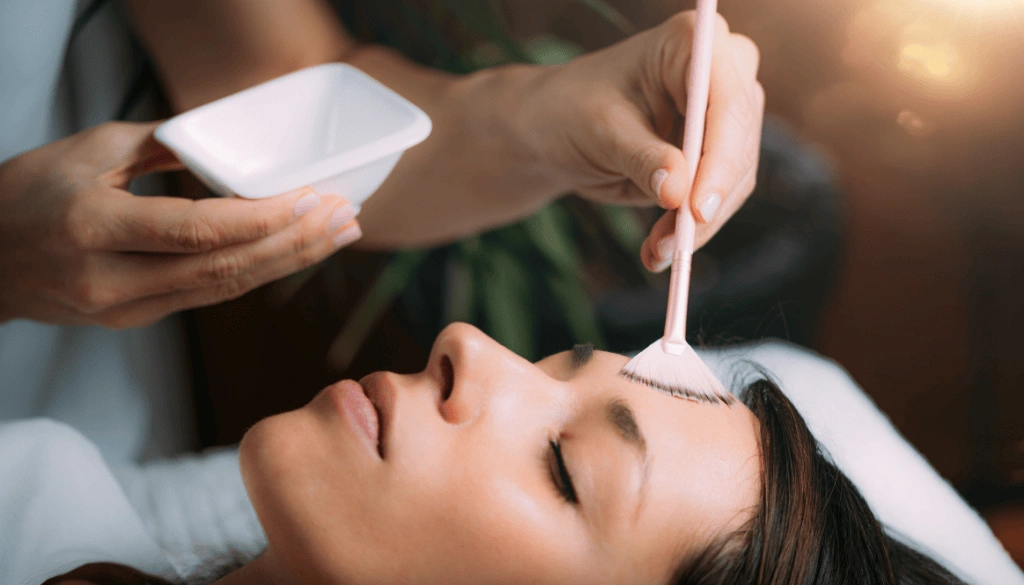
A chemical peel is a controlled exfoliation performed with a professional solution that helps loosen and lift dead skin cells from the surface. For acne-prone skin, that matters because dead skin and oil can mix inside pores, forming blackheads, whiteheads, and persistent congestion. By encouraging smoother shedding at the surface, peels can support clearer-looking pores and a more even texture. Chemical peels are not “one-size-fits-all,” and results depend on choosing the right type and strength for your skin.
Here’s what chemical peels can realistically help with when the treatment is appropriately selected and aftercare is followed. You’ll notice that the benefits are mostly about improving congestion, tone, and skin turnover—not “curing” acne overnight, because acne is influenced by multiple factors including hormones, genetics, inflammation, and skincare habits.
- Helping unclog pores and reduce rough congestion
- Smoothing uneven texture caused by buildup
- Fading the look of dark spots left after breakouts (post-acne marks)
- Supporting a brighter, more even-looking complexion over time
When Chemical Peels Work Best For Breakouts
Chemical peels tend to work best when acne is driven by clogged pores, surface buildup, and mild-to-moderate breakouts rather than severe inflammation. If you’re mostly dealing with blackheads, whiteheads, and recurring “bumpy” texture, a peel can be a strong fit because it targets the surface and pore congestion that feeds those issues. Many people also use peels to improve the look of post-acne discoloration once active breakouts are more controlled. The key is matching the treatment to what your skin is doing right now.
In practical terms, chemical peels are often most helpful in these situations, especially when combined with a consistent routine and professional guidance. If your skin is extremely inflamed or painful, your provider may recommend stabilizing inflammation first before introducing exfoliating treatments. That’s not a setback—it’s how you reduce irritation risk and protect your barrier while still moving toward clearer-looking skin.
- Mostly clogged pores (blackheads/whiteheads) and dull texture
- Breakouts that recur in oily or congested zones (forehead, nose, chin)
- Post-acne dark spots or uneven tone after blemishes heal
- Mild breakouts plus roughness that doesn’t respond well to gentle exfoliation
When A Chemical Peel Is Not The Right Move
There are times when a chemical peel is simply not appropriate, even if you’re motivated to fix breakouts quickly. If your skin barrier is compromised—meaning it’s stinging, peeling, raw, or unusually sensitive—adding a peel can worsen irritation and sometimes trigger more inflammation. Likewise, if you have an active infection, open lesions, or significant sunburn, peeling procedures can increase discomfort and complication risk. Safety and timing are part of getting good results, not obstacles in the way.
This is also where honesty about your routine matters. Many acne regimens already include active ingredients that increase sensitivity, such as retinoids, benzoyl peroxide, or exfoliating acids. That doesn’t mean you can’t get a peel, but it does mean your provider needs to guide what to pause and when. If you’re pregnant, breastfeeding, or using prescription acne medications, you should always disclose that so your provider can choose the safest approach for your skin.
- Active infection, cold sores in the area, or broken skin
- Severe irritation, peeling, or a “burning” barrier feeling
- Recent heavy sun exposure or sunburn
- Uncontrolled, very inflamed cystic flares (often better stabilized first)
- Recent use of strong acne prescriptions without provider guidance
Choosing The Right Peel Strength For Acne Goals
Not all peels are the same, and “stronger” is not automatically “better” for acne. In fact, overly aggressive peeling can inflame acne-prone skin, increase dryness, and make discoloration more likely—especially if aftercare is inconsistent. Most acne-focused plans start with lighter, superficial peels because they offer meaningful exfoliation with a lower downtime burden. Medium-depth peels can be appropriate in certain cases, but they require careful screening and strict aftercare to reduce risk.
A good provider will choose a peel based on your acne type, sensitivity, skin tone, and the specific goal you want to improve—active breakouts, post-acne marks, or texture. At KenshoDerm, the safest approach is typically a stepwise plan that respects your barrier and uses consistency to build results. The goal is controlled improvement, not a “reset button” that leaves skin stressed or reactive.
Quick Comparison Table: Acne Concerns And How Peels Usually Fit
This table is a practical way to match your main concern with what chemical peels commonly help, plus what you might expect in terms of recovery. Keep in mind that downtime varies by peel type, skin sensitivity, and aftercare, and your provider should personalize the plan.
| Main Concern | How A Chemical Peel May Help | When It Tends To Work Best | Typical Recovery Pattern* |
|---|---|---|---|
| Blackheads / Whiteheads | Loosens surface buildup that contributes to clogged pores | Mild to moderate congestion, consistent routine | Mild dryness; possible light flaking |
| Active Mild Breakouts | Supports clearer-looking pores and smoother texture | When inflammation is not severe | Temporary dryness; short-lived redness |
| Post-Acne Dark Spots | Encourages more even-looking tone as skin turns over | After breakouts heal or are better controlled | Sun protection is critical to protect tone |
| Rough Texture / Dullness | Smooths uneven surface and boosts radiance | When skin barrier is stable | “Tight” feeling then improvement over days |
| Acne Scarring Texture (Deeper) | May soften appearance of mild texture; not a full fix for deep scars | Often paired with other treatments | Depends on treatment plan and peel depth |
*General patterns only; your provider will give you specifics based on the peel selected.
How To Prepare For A Chemical Peel If You Break Out Easily
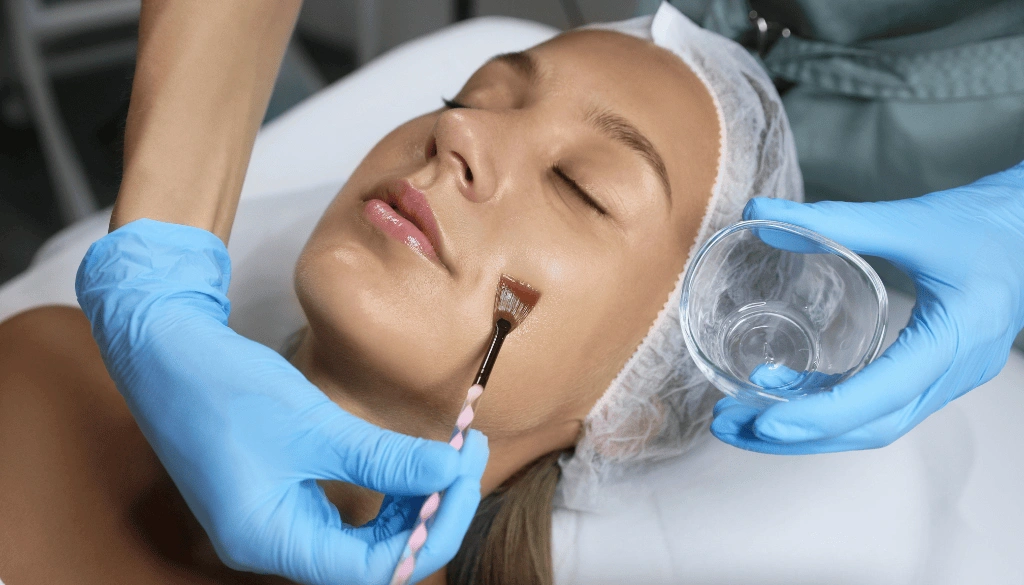
Preparation is underrated, but it’s one of the best ways to improve your peel experience—especially if you’re acne-prone and tend to get irritated easily. The goal is to calm your skin barrier, reduce “surprise” sensitivity, and make sure your provider knows exactly what you’re using at home. A professional consultation is also where you can discuss your breakout history, your typical triggers, and what you want most—fewer active breakouts, fewer clogged pores, or fewer marks after acne heals.
In the days leading up to a peel, many providers recommend simplifying your routine and avoiding unnecessary irritation, but your exact instructions should come from your clinician because products and prescriptions vary. It’s also important to avoid tanning or heavy sun exposure, because newly exfoliated skin is more vulnerable to uneven pigmentation. The calmer and more stable your skin is before treatment, the more predictable your recovery tends to be.
What To Expect After A Chemical Peel For Acne
It helps to set expectations clearly, because chemical peel recovery is not always “picture-perfect” day by day. Even when downtime is minimal, your skin may feel tight, look slightly red, and become dry for a short period. Some people also notice a temporary roughness before the surface starts to look smoother, because the skin is shedding in a controlled way. This is normal for many superficial peels, and it’s one reason aftercare matters as much as the procedure itself.
You may also hear the term “purging,” which refers to a temporary increase in breakouts when cell turnover speeds up and existing clogs surface. Not everyone purges, and not every breakout after a peel is purging—sometimes it’s irritation or using the wrong products too soon. A professional can help you tell the difference, and that guidance can prevent over-treating skin that simply needs calming and hydration for a few days.
Aftercare That Protects Your Results
Aftercare is where many people accidentally sabotage their progress, especially acne-prone patients who feel tempted to “scrub off” peeling or to restart strong acne actives too quickly. Right after a peel, your skin is more delicate. That means harsh cleansers, exfoliating acids, aggressive tools, and picking at flakes can trigger irritation, prolong redness, and raise the risk of lingering marks. If your goal is fewer breakouts and a more even tone, your aftercare should prioritize barrier support, gentle cleansing, and daily sun protection.
A safe aftercare plan is usually simple and boring—and that’s a good thing. You want fewer variables while your skin is recovering. When your provider tells you it’s safe to resume active acne products, reintroducing them gradually can help maintain results without over-drying or triggering rebound irritation. If you’re not sure what to restart and when, that’s exactly what a professional follow-up is for.
- Use a gentle cleanser and lukewarm water
- Moisturize consistently to support the barrier
- Apply broad-spectrum sunscreen daily to protect tone
- Avoid picking, scrubs, and exfoliating tools
- Resume retinoids/acids only when your provider approves
Pro Tip: If you’re acne-prone and worried about irritation, treat your post-peel week like a “barrier-first reset.” Focus on gentle cleansing, moisturizing, and sunscreen, and pause extra actives until your provider says it’s safe. In many cases, calmer recovery leads to better clarity and fewer post-acne marks than trying to “fight” your skin immediately.
How Many Chemical Peels Do You Need For Acne?
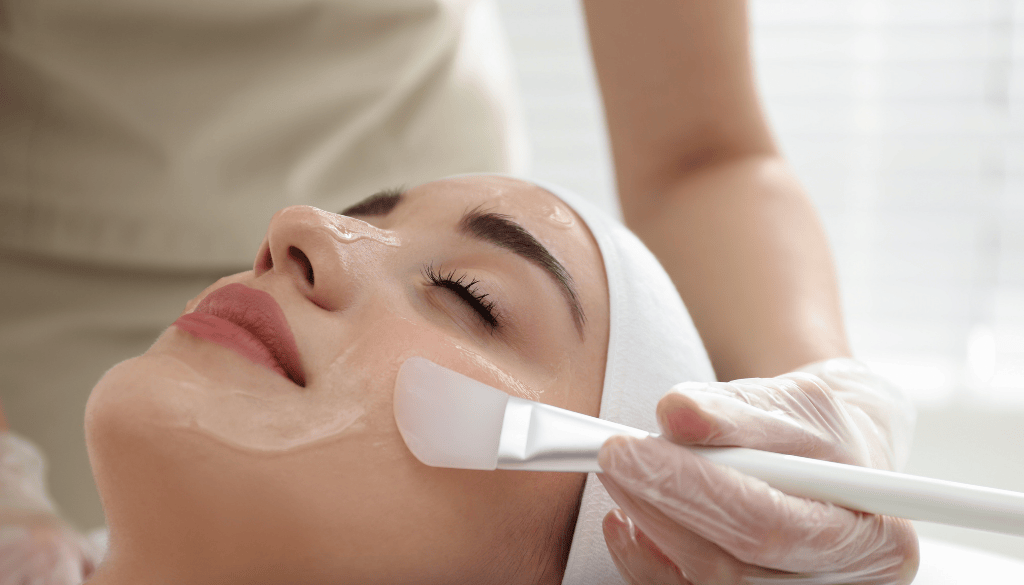
One peel can make skin look fresher, but acne and congestion are often patterns—not single events—so many people see the best change with a series. The reason is straightforward: clogged pores and post-acne marks typically improve through repeated, controlled turnover, not one aggressive session. A structured plan allows the provider to track how your skin responds, adjust intensity, and reduce the chance of pushing too hard too fast. This approach is both safer and more predictable for acne-prone skin.
Your number of sessions depends on your starting point and your goal. If your main issue is mild congestion, you may notice improvement sooner than someone trying to fade stubborn post-acne discoloration. It’s also normal for different improvements to appear at different times—texture may feel smoother before tone looks more even, and active breakouts may calm while marks fade more gradually. A consultation at KenshoDerm is the best way to map a plan that matches your skin and your timeline.
Chemical Peel Vs Other Acne Treatments
Chemical peels can be a great tool, but they’re rarely the only tool. Acne is influenced by oil production, bacteria, inflammation, hormones, and the way pores shed dead skin, which is why many people do better with combination care. For example, a peel may help with surface congestion and tone, while a consistent home routine supports maintenance in between visits. Some patients also benefit from treatments like extractions, targeted topicals, or other in-office procedures depending on scarring, sensitivity, and breakout type.
It’s also important to separate active acne from acne scars. Chemical peels may help the appearance of mild texture and discoloration, but deeper scars often respond better to other modalities, sometimes combined with peels in an overall plan. A provider can help you avoid wasting time on a single approach that isn’t matched to your main concern. The “best” option is the one that fits your skin’s needs and your tolerance for downtime.
When To Schedule A Chemical Peel In Arlington, VA
Timing can make a real difference in comfort and outcome. Many people prefer scheduling peels when they can avoid heavy sun exposure and when they don’t have major events immediately after, because skin may be dry or flaky during recovery. If you’re planning around photos, weddings, or work travel, it’s smart to give yourself a buffer so you’re not stressed by normal recovery changes. It also helps to schedule when your acne isn’t in a severe flare, so your provider can treat more evenly and reduce irritation risk.
At KenshoDerm in Arlington, VA, the most helpful next step is a consultation where you can discuss your breakouts, your current skincare routine, your sensitivity level, and your goals—whether that’s fewer clogged pores, fewer active pimples, or fewer post-acne marks. If you’re ready to move forward, you can schedule your Chemical Peel (Face) treatment—starting at $325—and build a plan that prioritizes safe, steady improvement instead of quick fixes.
Frequently Asked Question
Can Chemical Peels Help With Hormonal Acne On The Chin And Jawline?
Chemical peels may help reduce clogged pores and surface congestion that can worsen hormonal acne, especially on the chin and jawline. However, peels do not change hormone activity, so breakouts may still recur. Many patients see best results when peels are combined with a consistent acne routine and professional guidance.
How Soon Will I See Results After A Chemical Peel For Acne?
Some people notice smoother texture and a brighter look within about a week as peeling and dryness resolve. Improvements in breakouts and congestion can take longer and are often more noticeable after multiple treatments. Post-acne marks also fade gradually. Your timeline depends on acne type, sensitivity, and aftercare.
Can I Wear Makeup After A Chemical Peel If I Have Breakouts?
Whether you can wear makeup depends on how your skin reacts and your provider’s instructions. If the skin is red, peeling, or feeling sensitive, makeup can sometimes increase irritation or trap debris. Many people wait until the skin feels calm and intact, then choose non-comedogenic products and gentle removal.
Are Chemical Peels Safe For Darker Skin Tones With Acne?
Chemical peels can be safe for darker skin tones when the peel type, strength, and aftercare are carefully selected. The main concern is post-inflammatory hyperpigmentation if skin becomes irritated or sun-exposed during recovery. Choosing an experienced provider, using sunscreen daily, and following aftercare instructions helps reduce risk.
What If I Get A Pimple Right After My Peel—Is That Normal?
A new pimple after a peel can happen for different reasons, including temporary purging of existing clogs, irritation from restarting strong products too soon, or using heavy occlusive products during recovery. If breakouts are painful, widespread, or persist beyond a short period, contact your provider for guidance.