
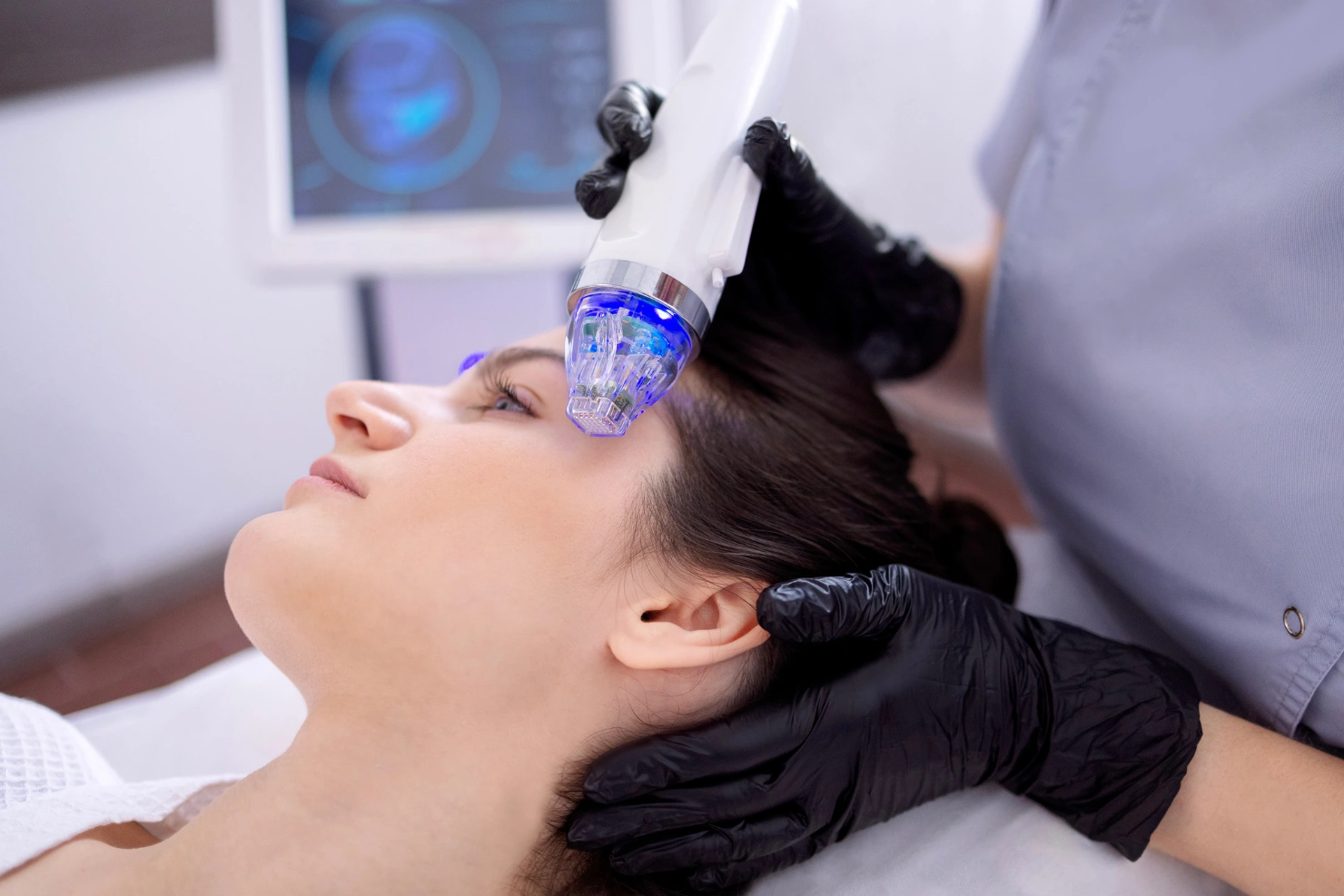
Crepey body skin can make the arms, abdomen, thighs, knees, and chest look thin, loose, or finely wrinkled. These changes often appear gradually, especially as collagen production slows, sun exposure builds up, or the skin stretches after weight changes.
“But what if you could improve firmness and texture without surgery or a long recovery?“
RF microneedling is becoming a popular option for people who want smoother, tighter-looking body skin through collagen remodeling and targeted skin rejuvenation. For patients in Arlington, VA, KenshoDerm offers RF microneedling as a non-surgical treatment option for early skin laxity, uneven texture, and crepey body skin.
- RF microneedling improves crepey body skin.
- Collagen remodeling supports firmer skin texture.
- Early laxity responds better to treatment.
- Results appear gradually over several weeks.
- Professional consultation ensures proper treatment planning.
What Is Crepey Body Skin?
Crepey skin describes skin that looks thin, finely wrinkled, and slightly loose, similar to crepe paper. It can happen on the face, but many people notice it more on body areas where the skin is thinner or frequently exposed to the sun.
Common areas include the upper arms, knees, abdomen, thighs, neck, chest, and above the elbows. The skin may look dry, crinkled, or less elastic than before. In the early stages, crepey skin may appear only when the skin is stretched, bent, or viewed under certain lighting.
This concern is different from deep sagging. Crepey skin is often more about skin quality, texture, hydration, and collagen support. Early skin laxity means the skin is starting to lose firmness but has not reached the point of heavy folds or major hanging skin.
Why Early Skin Laxity Happens
Early skin laxity usually develops from a combination of natural aging, lifestyle factors, and changes beneath the skin surface. Collagen and elastin are two important proteins that help skin stay firm, flexible, and resilient.
As these support structures weaken, the skin may not bounce back as well. This can lead to mild looseness, fine wrinkles, and crepey texture.
Collagen Loss
Collagen gives skin structure and strength. The body naturally produces less collagen with age, which can make the skin thinner and less firm over time.
When collagen levels decline, the skin may begin to wrinkle, fold, or look less smooth. This is one reason early laxity often becomes more visible in the 30s, 40s, and beyond.
Sun Exposure
Sun exposure is one of the biggest external causes of premature skin aging. Ultraviolet rays can damage collagen and elastin fibers, especially on areas like the chest, arms, legs, and shoulders.
Over time, sun damage may create rough texture, uneven tone, fine lines, and crepey skin. This is why body skin that gets frequent sun exposure often ages faster than covered areas.
Weight Changes
Weight gain, weight loss, pregnancy, and body composition changes can stretch the skin. When the skin has less elasticity, it may not fully tighten after these changes.
This can leave mild looseness on the abdomen, thighs, arms, or flanks. Stretch marks may also appear when the deeper layers of the skin are stretched quickly.
Natural Aging
Aging affects the skin, fat pads, muscles, and connective tissue. Skin becomes thinner, cell turnover slows, and moisture levels may drop.
These changes can make skin look less firm, less smooth, and more fragile. RF microneedling helps target this concern by encouraging a natural repair response in the skin.
How RF Microneedling Supports Firmer Body Skin
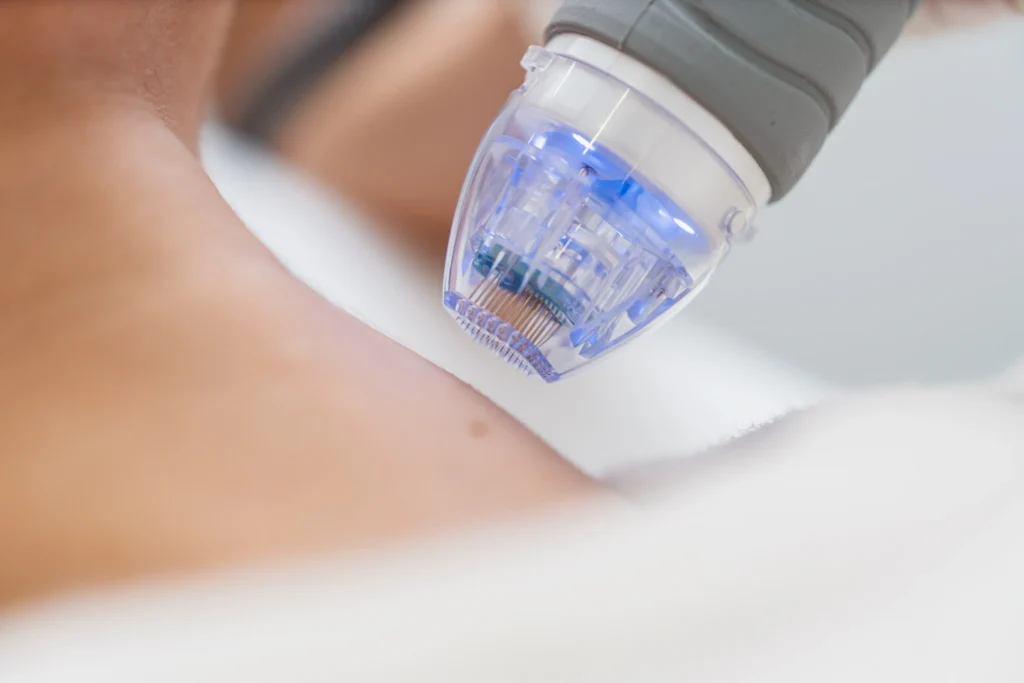
RF microneedling combines two technologies in one treatment: microneedling and radiofrequency energy. The fine needles create controlled micro-channels in the skin, while RF energy delivers heat into deeper layers.
This controlled process stimulates the body’s natural healing response. As the skin repairs itself, it can produce new collagen and elastin, which are important for firmness, texture, and elasticity.
RF energy adds another layer of support because heat can help remodel collagen in the dermis. This makes the treatment useful for patients who want improvement in both texture and mild laxity.
The goal is not to create an artificial or overly tight look. The goal is gradual skin remodeling that makes body skin appear smoother, firmer, and healthier.
Why RF Microneedling Works Well For Body Areas
Body skin often needs a stronger approach than facial skin because it can be thicker in some areas and more stretched in others. RF microneedling can be adjusted based on the treatment area, skin quality, and concern being treated.
For example, crepey skin above the knees may need a different treatment approach than mild laxity on the abdomen. The upper arms may require careful treatment because the skin can be thinner and more delicate.
RF microneedling may be used for:
- Crepey skin on the arms
- Mild laxity on the abdomen
- Fine wrinkles above the knees
- Uneven skin texture on the thighs
- Mild stretch mark texture
- Early looseness after weight changes
- Skin roughness on the chest or décolletage
This makes it a flexible treatment for people who want body skin rejuvenation without surgical downtime.
Common Body Areas Treated With RF Microneedling
Many patients think of microneedling as a face treatment, but RF microneedling can also support body skin concerns. The treatment is often used where skin texture and firmness have started to change.
| Body Area | Common Concern | Treatment Goal |
|---|---|---|
| Upper Arms | Crepey texture and mild looseness | Firmer, smoother-looking skin |
| Abdomen | Early laxity after weight changes | Better texture and skin support |
| Thighs | Cellulite appearance and uneven texture | Smoother surface appearance |
| Knees | Fine wrinkles and thin skin | Improved firmness around the area |
| Chest | Sun damage and crepey texture | Smoother tone and texture |
| Flanks | Mild laxity and stretch marks | Improved skin quality |
| Buttocks | Texture changes and dimpling | More even-looking skin surface |
This table helps show why treatment planning matters. Each body area has different skin thickness, sensitivity, and collagen response.
RF Microneedling For Crepey Skin Versus Loose Skin
Crepey skin and loose skin are related, but they are not the same concern. Crepey skin usually refers to fine lines, thin texture, and reduced elasticity. Loose skin refers to skin that hangs, folds, or sags more noticeably.
RF microneedling is often a good option for mild to moderate texture changes and early laxity. It can help skin look firmer and smoother, especially when the skin still has some natural elasticity.
It is not the right replacement for surgery in cases of severe sagging. Patients with heavy folds, major loose skin after significant weight loss, or advanced laxity may need a surgical consultation for the most dramatic correction.
This is why a professional consultation matters. A trained provider can determine whether RF microneedling fits your goals or whether another treatment approach would be more effective.
What Results Can Patients Expect?
RF microneedling results appear gradually because collagen remodeling takes time. Some patients notice early changes in texture after the skin calms, but the deeper firming effect builds over several weeks and months.
The most realistic improvements include smoother texture, better skin tone, firmer-looking skin, and less visible crepiness. Stretch marks, cellulite, and mild laxity may also look softer or less noticeable after a treatment series.
Results depend on several factors:
- Age
- Skin thickness
- Treatment area
- Degree of laxity
- Sun damage history
- Number of sessions
- Aftercare habits
- Overall skin health
RF microneedling works best when patients have realistic expectations. It can improve skin quality, but it does not stop aging or remove all laxity in one visit.
What Happens During The Treatment?
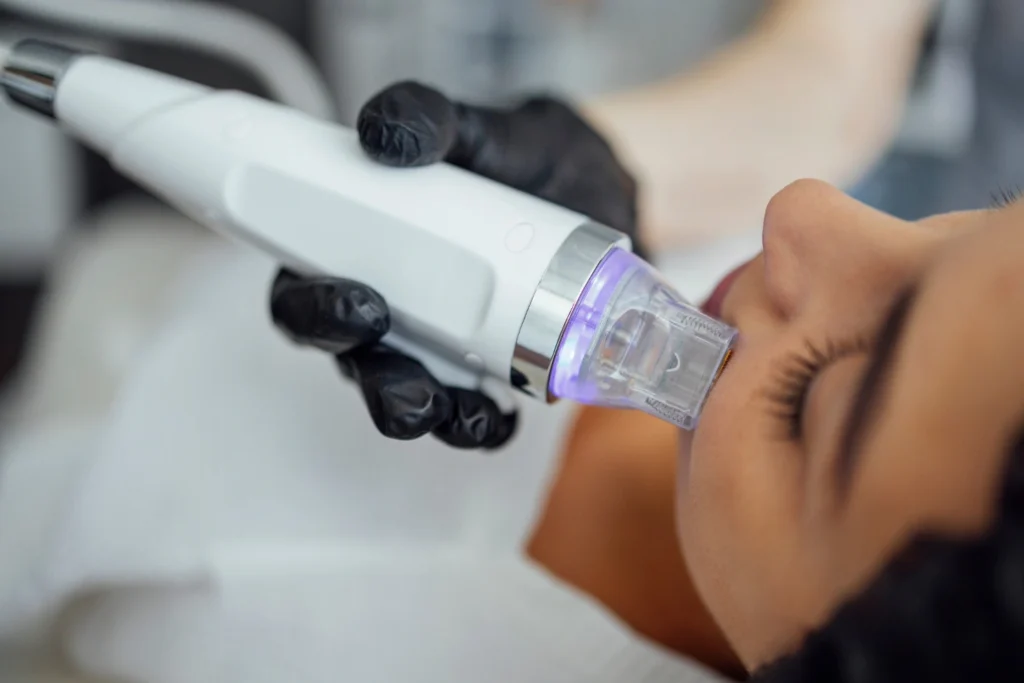
RF microneedling starts with a consultation and skin assessment. Your provider reviews your concerns, treatment area, medical history, and goals before building a plan.
The treatment itself is usually well tolerated. A topical numbing cream may be applied first to help reduce discomfort.
Skin Preparation
The treatment area is cleansed before the device is used. Your provider may mark or section the area to help keep the treatment even and precise.
Clean skin is important because the needles create controlled micro-channels. Proper preparation helps reduce the risk of irritation or infection.
Numbing Process
A numbing cream is often applied before treatment. This helps make the procedure more comfortable, especially on sensitive areas like the inner arms, abdomen, or knees.
The numbing time may vary based on the area being treated. Once the skin is ready, the product is removed before treatment begins.
RF Treatment
The handheld device is moved across the skin in controlled passes. The needles enter the skin at a selected depth while RF energy heats the deeper tissue.
Patients may feel pressure, warmth, or a prickling sensation. The provider adjusts settings based on the treatment area and skin response.
Aftercare Guidance
After treatment, the skin may feel warm, pink, tight, or tender. Some patients may notice mild swelling or dryness for a few days.
Your provider will explain what to avoid after treatment. This may include direct sun, harsh exfoliants, intense workouts, hot tubs, or active skincare products for a short period.
Recovery And Downtime After RF Microneedling
RF microneedling is considered minimally invasive, but the skin still needs time to recover. Most people can return to normal daily routines soon after treatment, depending on the body area treated and the intensity of the session.
Common temporary effects include redness, swelling, warmth, tenderness, pinpoint marks, dryness, or light flaking. These effects usually improve within a few days.
Good aftercare helps protect results. Patients should keep the area clean, avoid unnecessary friction, use gentle skincare, and follow sun protection guidance. Sunscreen is especially important for exposed areas like the chest, arms, and legs.
How Many Sessions Are Usually Needed?
Most body skin concerns need a series of RF microneedling treatments. One session can start the collagen response, but repeated treatments often create more visible improvement.
A typical plan may include several sessions spaced weeks apart. The exact number depends on skin quality, laxity level, treatment area, age, and the patient’s goals.
Crepey skin on the arms or knees may need a different schedule than stretch marks on the abdomen. Mild concerns may need fewer visits, while deeper texture changes may need more consistent treatment.
Maintenance sessions may also be recommended. These can help support collagen over time as the skin continues to age.
Who Is A Good Candidate?
A good candidate is someone with mild to moderate skin texture concerns who wants a non-surgical treatment option. RF microneedling may be helpful for people with crepey skin, early laxity, stretch mark texture, roughness, or uneven body skin.
Patients often choose this treatment because they want gradual improvement without major downtime. It can be a strong option for those who want better skin quality but are not ready for surgery.
You may be a candidate if you have:
- Thin or crepey skin on the body
- Mild loose skin after weight changes
- Early laxity on arms, thighs, or abdomen
- Fine wrinkles above the knees
- Stretch marks with uneven texture
- Cellulite-related surface irregularity
- Realistic expectations about gradual results
A consultation is the safest way to confirm candidacy. Certain skin conditions, active infections, pregnancy, implanted medical devices, or healing concerns may affect treatment eligibility.
When RF Microneedling May Not Be Enough
RF microneedling can improve skin quality, but it has limits. It should not be presented as a cure for severe sagging, deep folds, or large amounts of excess skin.
Patients with major loose skin after significant weight loss may need more than a collagen-stimulating treatment. In these cases, surgery may provide a more complete correction.
RF microneedling may also need to be paired with other treatments depending on the concern. For example, cellulite, stretch marks, discoloration, and laxity may each need a different strategy.
This does not make RF microneedling less valuable. It simply means the best results come from honest treatment planning and the right expectations.
Pro Tip: Start treatment when laxity is still mild. RF microneedling works best when the skin still has enough elasticity to respond to collagen remodeling. Waiting until the skin has advanced sagging may limit how much improvement a non-surgical treatment can provide.
RF Microneedling And Aesthetic Maintenance
RF microneedling can support firmer skin, but daily habits still matter. Collagen remodeling works best when the skin is protected, hydrated, and not repeatedly damaged by sun exposure.
Patients can support their results by using sunscreen, staying hydrated, maintaining a stable weight, and following provider-recommended skincare. Body areas like the chest, arms, and legs should not be ignored during sun protection routines.
Healthy maintenance may include:
- Daily SPF on exposed skin
- Gentle moisturizers
- Avoiding tanning beds
- Stable weight habits
- Regular follow-up visits
- Maintenance treatments when advised
- Avoiding smoking because it affects skin quality
These steps help protect the investment in treatment. They also support healthier-looking skin over time.
Why Choose RF Microneedling In Arlington, VA?
Patients in Arlington, VA often want aesthetic treatments that fit busy schedules and natural-looking goals. RF microneedling appeals to people who want smoother body skin without surgery, general anesthesia, or long recovery.
At KenshoDerm, treatment planning starts with a clear assessment of the skin. This helps determine whether RF microneedling is appropriate for crepey skin, early laxity, stretch marks, or uneven texture.
A professional approach matters because RF microneedling involves needles, heat, depth settings, and skin response. The right provider can adjust treatment based on the body area, comfort level, and desired outcome.
For patients who want to improve body skin quality, RF microneedling can be a practical step toward firmer, smoother, more confident skin.
Conclusion
Crepey body skin and early skin laxity can be frustrating, especially when they affect visible areas like the arms, knees, abdomen, thighs, or chest. RF microneedling offers a non-surgical way to support collagen remodeling, improve texture, and create firmer-looking skin over time.
The best results come from proper candidacy, realistic expectations, and a treatment plan based on your skin’s needs. If you are considering RF microneedling for crepey body skin in Arlington, VA, schedule a consultation with KenshoDerm to learn whether this treatment fits your body contouring and skin rejuvenation goals.