
Trying IV therapy for the first time can feel exciting—and a little uncertain—especially if you’ve only seen it on social media or heard friends talk about “instant hydration” and “energy boosts.” The truth is, a great experience usually starts before the drip even begins. Knowing what to eat, how to hydrate, what to share during your consultation, and what to expect during the infusion can make your visit more comfortable and help you get the results you’re looking for.
So what should you do before your first IV therapy appointment to feel calm, prepared, and confident?
In this guide, we’ll walk through simple, practical steps to take before you arrive, what happens during your session, and the aftercare habits that support the best outcome.
Key Takeaways
- IV nutrients bypass digestion for absorption.
- Infusions support immune, energy, hydration.
- Skin and recovery goals are targeted.
- Consultation personalizes drip to needs.
- Sterile, comfortable process; mild bruising.
What IV Therapy Is And Why Preparation Matters

IV therapy (intravenous therapy) delivers fluids—and sometimes vitamins or other nutrients—directly into a vein. Because it enters the bloodstream without going through digestion, it can correct fluid deficits quickly when hydration is truly needed, which is why IV fluids are widely used in medical settings.
For “wellness IV” services, it’s important to be realistic: many clinics market benefits like energy or immune support, but evidence for broad, across-the-board results in otherwise healthy people is limited, and experts caution against overpromising outcomes. Preparation still matters either way, because being well-hydrated and well-fed can make IV insertion easier, reduce the chance of lightheadedness, and improve overall comfort.
Who IV Therapy Is For And Who Should Pause First
Most people who book wellness IV services are looking for support with hydration, fatigue, recovery after intense activity, or general wellness goals. That said, IV therapy is still an invasive procedure with real (even if uncommon) risks like bruising, vein irritation, and infection—so screening is not optional. A qualified provider should review your health history and medications before you receive an infusion, because certain conditions (like heart or kidney problems) can make fluid balance more complicated, and some nutrients can interact with medications or be unsafe at high doses. If you’re pregnant, breastfeeding, have chronic medical conditions, or take prescription meds, treat the consultation as the most important part of the appointment—not a formality.
To make your consultation more productive, come prepared with the key details your provider needs to keep you safe and tailor your session appropriately. Helpful info includes:
- Your current medications and supplements (including pre-workout products)
- Any allergies or prior reactions to injections/infusions
- Relevant conditions (kidney, heart, liver disease; blood pressure issues; anemia history)
- Recent illness symptoms, dehydration symptoms, or recovery goals
- Whether you’ve ever fainted with needles or blood draws
What To Do Before Your Appointment
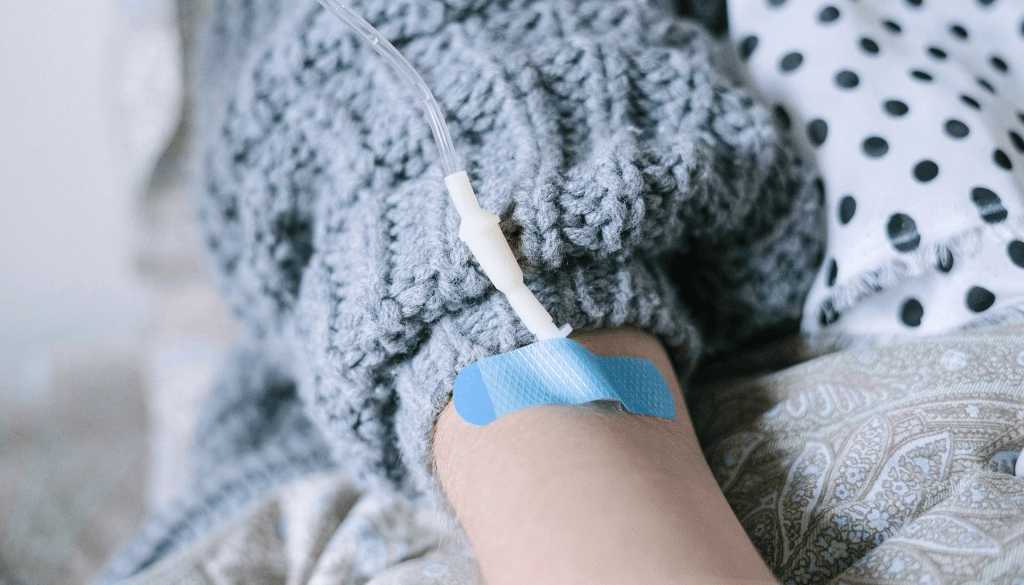
A smooth first IV therapy experience usually starts several hours before you arrive. This isn’t about “hacking” the drip—it’s about protecting your comfort and lowering common annoyances like difficult veins, nausea, or dizziness. Clinical sources note common IV-related issues like bruising/hematoma and other complications that are more likely when veins are fragile or the body is under stress.
The goal is to show up hydrated, steady, and ready to communicate clearly during your consultation. If your appointment is at KenshoDerm in Arlington, VA, plan to arrive a few minutes early so you’re not rushing, since stress and rushing can make veins less cooperative and raise the chance you feel faint.
First-Time IV Therapy Prep And Aftercare Checklist
| Timing | What To Do | Why It Matters |
|---|---|---|
| 24 Hours Before | Avoid excess alcohol; prioritize sleep | Alcohol can worsen dehydration and make you feel unwell during/after an IV |
| Morning Of | Drink water steadily (not all at once) | Better hydration can support easier IV access and reduce lightheadedness |
| 2–3 Hours Before | Eat a balanced meal with protein + carbs | Helps stabilize blood sugar and reduces nausea risk |
| Right Before | Wear sleeves that roll up easily | Makes IV placement quicker and more comfortable |
| After The Session | Keep hydrating and eat a light snack | Supports comfort and helps your body balance fluids |
Pro Tip
Pro Tip: Hydrate Like You’re “Prepping Your Veins.” Start sipping water earlier in the day rather than chugging right before check-in. A steady intake supports vein fullness and can reduce the chance of multiple stick attempts, which is one of the most common reasons people feel anxious about their first visit.
If you want a quick “what to avoid” list, keep it simple and practical. Skip heavy greasy meals right before your drip, avoid arriving on an empty stomach, and don’t schedule your first IV session immediately after an exhausting workout. Those choices don’t make IV therapy “unsafe,” but they can make you more likely to feel off during the infusion, especially if you’re already tired or mildly dehydrated.
What Happens During Your Consultation
A proper IV therapy consultation should feel like a short health screening, not a sales pitch. IV therapy is considered an invasive procedure, and general clinical guidance emphasizes appropriate orders, correct dosing, and strict sterile technique to reduce avoidable complications. Your provider should review your goals (hydration, energy, recovery, skin-focused wellness), ask about medical history, and confirm you understand what the infusion can and cannot do. If you’re hoping for outcomes like “immune support,” a responsible consultation will keep the language grounded—many wellness benefits are marketed widely, but evidence for sweeping claims is not strong, and reputable medical commentary warns against viewing IV vitamins as a shortcut that replaces basics like sleep, diet, and hydration.
Customization, when done well, should be based on your needs and safety—not on trendy buzzwords. You may be asked about fatigue patterns, recent travel, exercise intensity, hydration habits, and skin goals, and your provider may adjust infusion rate, fluid volume, or ingredients accordingly. You should also feel comfortable asking what’s included, why it’s included, and what side effects are possible for each component—especially if the infusion contains concentrated vitamins or additives.
What To Expect During The IV Infusion
Knowing the flow of the appointment helps calm first-timer nerves. After check-in, you’ll typically sit in a comfortable chair while a clinician prepares the IV site using clean technique. IV insertion is usually quick, and many people describe it as a brief pinch followed by pressure—then it settles. During the drip, some clients notice mild sensations like coolness in the arm, a metallic taste, or feeling slightly flushed, depending on what’s in the infusion and how fast it runs. Regardless of the goal, keep in mind that IVs can cause localized issues like bruising/hematoma or vein irritation, and you should speak up if you feel pain, burning, or swelling around the site.
Safety and comfort come from good monitoring and good communication. IV therapy complications like infiltration (fluid leaking into surrounding tissue) and phlebitis (vein inflammation) are known IV risks and can present as swelling, tightness, pain, warmth, or redness near the insertion area. In a well-run setting, staff will check in with you, confirm you feel okay, and adjust if you feel lightheaded or uncomfortable. If anything feels “sharp,” worsening, or unusual, you’re not being difficult—you’re giving the clinician the information they need to keep things safe.
Aftercare: What To Do Right After IV Therapy
Aftercare doesn’t need to be complicated, but it does matter. Once your IV is removed, you’ll likely have a small bandage and instructions to keep the area clean and to watch for irritation. Mild bruising or a small hematoma can happen when blood leaks into nearby tissue, and reputable medical guidance notes that this kind of bruising typically resolves over time. You’ll usually feel best if you keep sipping water, eat a light snack, and avoid intense exercise immediately afterward—especially if you came in already tired, dehydrated, or under-fueled. This is about letting your body settle and reducing the chance of dizziness.
It’s also smart to know what’s normal versus what’s not. Mild tenderness, temporary redness, or light bruising at the site can occur, but worsening pain, spreading redness, warmth, swelling, pus, fever, or feeling short of breath should be treated as a reason to seek medical advice promptly because they can signal complications like infection, inflammation, or fluid-related issues. The overall risk is generally low when sterile technique and proper screening are followed, but “low risk” is not the same as “no risk,” and good aftercare is part of doing IV therapy responsibly.
How Soon You’ll Notice Results And How Long They Last

Timelines vary, and honesty here builds trust. If you were genuinely under-hydrated, IV fluids can improve hydration status quickly, which is one reason they’re used clinically. For wellness vitamin blends, what you “feel” can range from noticeable to subtle, and experts caution that many claimed benefits don’t have strong proof for healthy individuals, especially when the same nutrients can be obtained through diet or standard supplementation. Some people report feeling more energized shortly after a session, while others simply feel “normal but better hydrated.” Either experience can be valid, and neither one guarantees what your next session would feel like.
If you’re considering repeat sessions, it’s worth remembering that repeated IV use can increase the chance of vein-related issues like bruising or phlebitis over time, particularly if sessions are too frequent or technique is poor. A safe plan should be based on your goals, your health profile, and professional guidance—not on a “more is always better” mindset. Your provider should be willing to recommend spacing, lifestyle support, or alternative approaches if IV therapy isn’t the best fit.
First-Time Mistakes To Avoid
A first IV visit doesn’t need to be perfect, but a few avoidable mistakes can make it less comfortable than it should be. The most common misstep is arriving dehydrated and underfed, then expecting the drip to fix the way you feel instantly. Another is failing to mention supplements or medications because they seem “minor,” even though interactions and dosing considerations can matter with IV nutrients. Also avoid treating the session like a performance test: don’t push an intense workout immediately after just to see if you feel “stronger,” and don’t compare your experience to a friend’s, since hydration status, sleep, diet, and stress can change outcomes from person to person.
If you want a quick mental checklist, remember these simple rules: show up hydrated, eat a balanced meal, share your health info honestly, speak up if anything feels uncomfortable, and follow aftercare instructions even if you feel great. Those basics reduce risk and improve the odds that your first experience is calm, smooth, and worth repeating.
FAQs For First-Time IV Therapy Clients
How Long Does An IV Therapy Session Take?
Most appointments include a short consultation and the infusion itself, so total time can vary by clinic workflow and what’s being administered. The key is that your provider should monitor you and adjust infusion rate if you feel lightheaded, because speed and volume can affect how you feel during the session. For your first visit, it’s smart to allow extra time so you’re not rushed and can ask questions during the consultation.
Does IV Therapy Hurt?
Most people feel a brief pinch at insertion, then mild pressure. Discomfort should not steadily worsen. If you feel burning, swelling, tightness, or increasing pain around the site during the drip, let staff know right away because those can be signs of infiltration or irritation. A good clinic will take your feedback seriously and make adjustments promptly to protect comfort and safety.
What Side Effects Are Most Common?
Mild bruising or redness at the insertion site can happen, and clinical sources note bruising/hematoma as a known IV-related issue that usually improves with time. More concerning symptoms—like spreading warmth/redness, pus, fever, or worsening swelling—should be treated as a reason to seek medical advice, because IV therapy can carry risks like infection or phlebitis.
Can I Drive After IV Therapy?
Many people feel fine to drive afterward, but your individual response matters. If you feel lightheaded, unsteady, or unusually tired, it’s safer to wait, hydrate, and eat a snack before leaving. Because too much fluid too quickly can cause symptoms like headache or discomfort in some cases, monitoring how you feel post-session is part of doing IV therapy responsibly. When in doubt, ask your provider what they recommend for your specific infusion.
How Often Should I Get IV Therapy?
Frequency should be individualized and guided by qualified medical input, because repeated IV sessions can contribute to vein irritation or bruising over time, and high or unnecessary dosing of nutrients can pose risks depending on what’s included. A responsible plan should prioritize safety, realistic expectations, and lifestyle fundamentals (hydration, sleep, nutrition) rather than treating IV therapy like a daily wellness shortcut.
Schedule Your IV Therapy In Arlington, VA
If you’re considering your first IV vitamin infusion, the most important step is choosing a setting that prioritizes screening, sterile technique, and clear communication—because IV therapy is a medical procedure, not just a wellness trend. At KenshoDerm in Arlington, VA, your visit should start with a consultation that matches your goals with an appropriate, safety-first plan, followed by a comfortable infusion experience and straightforward aftercare guidance. When you’re ready, schedule your IV therapy appointment and come in with questions—we’ll help you feel prepared from start to finish.