
Fine lines that don’t budge, old acne scars that keep showing up in every photo, and rough or uneven texture can make your skin look older and more tired than you feel. But what if you could tap into your body’s own healing power to smooth, firm, and refresh your complexion—without surgery or harsh chemicals? That’s exactly what PRP microneedling is designed to do.
By combining platelet-rich plasma (PRP) from your own blood with precise microneedling, this treatment targets stubborn lines, scars, and texture issues from the inside out through collagen induction and skin remodeling.
Key Takeaways
- PRP microneedling boosts natural collagen production.
- Combines PRP growth factors with microneedling.
- Improves fine lines, acne scars, texture.
- Results build gradually after several treatments.
- Short downtime and generally well-tolerated treatment.
What Is PRP Microneedling?

PRP microneedling is often called a “collagen induction” treatment because it triggers your skin’s natural repair process while delivering growth factors from your own blood. Together, these two steps help improve tone, texture, and firmness over time.
PRP (platelet-rich plasma):
A small amount of your blood is drawn and spun in a centrifuge to concentrate platelets, which are rich in growth factors that support healing and tissue repair.
Microneedling:
A device like SkinPen uses tiny, sterile needles to create controlled micro-channels in the skin. This stimulates collagen and elastin production—key proteins that keep skin firm, smooth, and resilient.
When PRP is applied over freshly microneedled skin, those channels act like delivery pathways, allowing growth factors to penetrate more effectively into the treated area. Studies suggest that combining PRP with microneedling can improve outcomes for acne scars and overall skin quality compared to microneedling alone.
How PRP Microneedling Targets Fine Lines and Wrinkles
Fine lines and early wrinkles are often the first signs of collagen loss. This treatment focuses on rebuilding that support structure from within rather than just masking the problem on the surface.
As microneedling creates micro-injuries and PRP delivers growth factors, the skin responds with a repair process that gradually softens lines and improves firmness, especially around the eyes, mouth, and forehead.
How it helps fine lines and wrinkles:
- Stimulates new collagen and elastin to plump and firm the skin
- Helps soften crow’s feet, smile lines, and early forehead lines
- Supports more elastic, “bouncier” skin over time
- Offers natural-looking results, since it uses your own regenerative factors rather than fillers
Because PRP microneedling works with your biology, results develop gradually over weeks to months—and you still look like yourself, just smoother and more refreshed.
Treating Acne Scars and Old Marks
Acne scars can linger long after breakouts are gone, creating shadows and uneven texture that are hard to hide with makeup. PRP microneedling is frequently used to improve the look of atrophic (indented) acne scars by encouraging new collagen in areas where tissue has been lost.
Clinical research shows that microneedling alone reduces acne scar depth, but combining it with PRP can boost improvement further—for example, one study reported around 45% improvement with microneedling alone versus about 62% with PRP added.
How PRP microneedling helps with acne scars:
- Encourages collagen remodeling under indented scars
- Gradually softens the edges of rolling and boxcar scars
- Improves overall texture so scars blend more smoothly with the surrounding skin
- Often works best as a series of treatments for cumulative improvement
While no treatment can erase every scar, many patients see noticeable smoothing and a more even surface after a planned series of PRP microneedling sessions.
Smoothing Rough or Uneven Skin Texture
Rough patches, enlarged pores, and a dull skin surface often come from past breakouts, sun exposure, or simply the aging process. PRP microneedling addresses texture from multiple angles: stimulating collagen, improving cell turnover, and refining the surface.
Over time, patients commonly notice:
- Skin that feels smoother to the touch
- Smaller-looking pores in key areas like the nose and cheeks
- A more even, radiant tone that reflects light better
Because SkinPen and similar devices trigger natural collagen induction without heat or harsh chemicals, they can be appropriate for many different skin tones when used by a trained professional.
What Happens During a PRP Microneedling Session?
Knowing the process step-by-step helps you feel more comfortable and prepared before you book your appointment in Arlington, VA.
1. Consultation and assessment
Your provider reviews your skin concerns, medical history, and medications, then confirms that PRP microneedling is a safe and realistic option for your goals.
2. Blood draw and PRP preparation
A small sample of blood is taken, usually from your arm, and spun in a centrifuge to separate platelet-rich plasma from red blood cells.
3. Numbing and SkinPen microneedling
A topical anesthetic is applied to keep you comfortable. Then a device such as SkinPen—an FDA-cleared microneedling system for acne scars and neck wrinkles—is used to create uniform micro-channels at controlled depths in the skin.
4. Topical PRP application
Your PRP is applied over the treated area so growth factors can soak into the fresh channels and support the healing cascade.
5. Immediate aftercare
Skin usually looks pink to red, like a mild sunburn, and may feel warm or tight for a day or two. Most people can leave the office shortly after treatment.
Who Is a Good Candidate for PRP Microneedling?
PRP microneedling is designed for adults who want to improve early signs of aging or acne scarring in a gradual, natural way.
You may be a good candidate if you:
- Have fine lines, mild to moderate acne scars, or uneven texture
- Prefer non-surgical options and minimal downtime
- Are in generally good health and not pregnant
- Do not have active skin infections or certain blood or autoimmune disorders
Your provider will review any medical conditions, such as bleeding disorders or the use of anticoagulant medications, to ensure this treatment is safe for you.
Downtime, Side Effects, and Safety
Understanding recovery and risks helps you plan your treatment at the right time and with realistic expectations.
Most patients experience redness, mild swelling, and sensitivity for 24–72 hours after microneedling; some may see temporary flaking or dryness as the skin renews.
Common short-term effects include:
- Pink or red skin (similar to a sunburn)
- Mild swelling or tightness
- Light pinpoint bleeding immediately after treatment
- Temporary dryness or flaking as new skin comes forward
When performed by trained professionals using sterile technique and medical-grade devices like SkinPen, microneedling has a favorable safety profile. It is different from radiofrequency (RF) microneedling, which adds heat and has recently received specific FDA safety warnings about potential complications.
How Many Treatments Will You Need?
PRP microneedling is a cumulative treatment: most people get the best results from a series of sessions planned a few weeks apart.
The exact number depends on your concerns, but many patients start with 3 treatments, then reassess with their provider. Acne scars or more advanced texture issues may require additional sessions.
Here’s a general guideline (your plan may differ):
| Concern | Typical Number of Sessions | Spacing | When Results Often Appear |
|---|---|---|---|
| Fine lines & early wrinkles | 3 sessions | Every 4–6 weeks | Smoother look in 4–8 weeks, continued improvement up to 6 months |
| Mild–moderate acne scars | 3–6 sessions | Every 4–6 weeks | Gradual scar softening over several months |
| Uneven texture & enlarged pores | 3 sessions | Every 4–6 weeks | Smoother texture and radiance within 1–2 months |
In your Arlington, VA clinic, a PRP facial with SkinPen microneedling typically starts around $700, with pricing adjusted based on the treatment plan and areas treated. A consultation is the best way to receive a personalized quote.
PRP Microneedling vs. Other Skin Rejuvenation Options
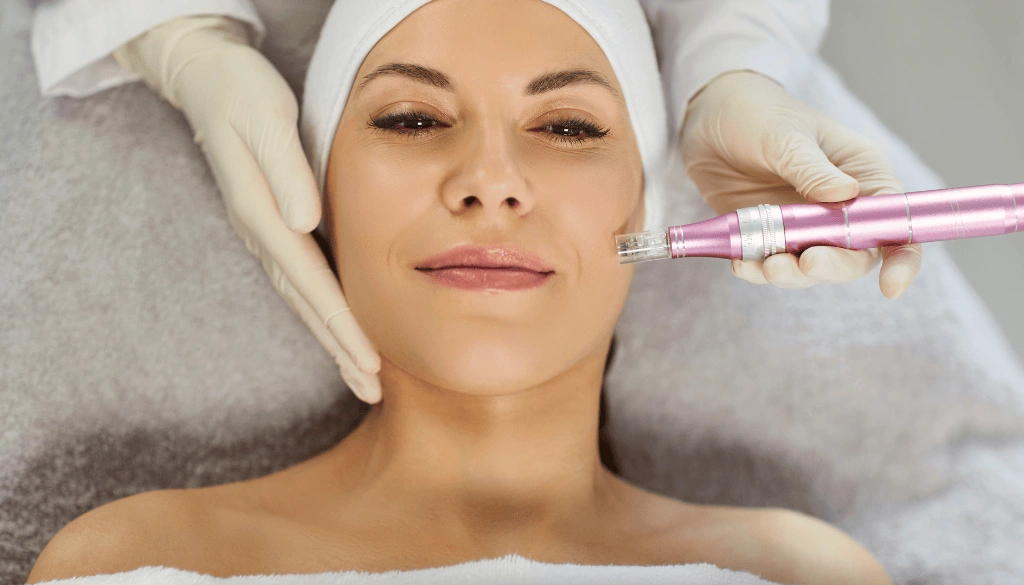
There are many ways to improve skin quality, so it helps to see where PRP microneedling fits.
Compared with regular microneedling, adding PRP introduces concentrated growth factors that can further support collagen remodeling and acne scar improvement.
Compared with chemical peels or many lasers, PRP microneedling:
- Doesn’t rely on heat or high-strength acids
- Can be suitable for a wider range of skin tones when properly performed
- Typically has shorter downtime, though results build more gradually
Your provider may also recommend combining PRP microneedling with other treatments over time, depending on your goals and skin type.
How to Prepare for Your PRP Microneedling Session
A little preparation helps your skin respond well and makes your experience smoother.
Ahead of your appointment, your provider may advise you to:
- Avoid sunburns and tanning before treatment
- Pause certain skincare products like strong retinoids or exfoliants a few days prior
- Skip blood-thinning supplements (if medically appropriate and cleared by your physician) to reduce bruising risk
In the days after treatment, you’ll typically be asked to avoid hot workouts, swimming pools, and direct sun, and to use gentle, non-irritating skincare while the skin is healing.
Pro tip: Plan your PRP microneedling at least one to two weeks before any major event or photos. This gives your skin time to recover from redness and start showing that fresh, post-treatment glow.
PRP Microneedling in Arlington, VA: Choosing a Provider
The device and technique matter just as much as the treatment itself.
Look for a practice that:
- Uses FDA-cleared microneedling technology such as SkinPen for acne scars and neck wrinkles
- Follows strict sterilization protocols and uses single-use needle cartridges
- Offers a thorough consultation, realistic expectations, and tailored treatment plans
Asking questions about training, experience, and aftercare will help you feel confident that your skin is in skilled hands.
Is PRP Microneedling Worth It for Fine Lines, Scars, and Texture?
If you’re bothered by fine lines, acne scars, or rough texture—and you want a solution that works with your body’s own repair system—this treatment can be a strong option. With a thoughtful series of sessions, realistic expectations, and good skincare habits, many patients enjoy smoother, firmer, and more radiant skin for months after completing their plan.
For anyone in Arlington, VA who’s ready to explore PRP microneedling, the next step is a personalized consultation. There, your provider can examine your skin, review your goals, and design a treatment plan that targets your fine lines, scars, and texture in a safe, evidence-based way.
If you’re ready to refresh dull, scarred, or aging skin, schedule a PRP microneedling consultation at KenshoDerm in Arlington, VA. Our team will assess your skin, explain every step, and design a treatment plan tailored to your goals so you can feel confident bare-faced again, every single day, effortlessly radiant.
Frequently Asked Questions
How long does a PRP microneedling visit take?
Most PRP microneedling appointments take about ninety minutes from start to finish. You’ll spend time checking in, reviewing your goals, having your blood drawn, numbing the skin, and completing the microneedling plus PRP application. The treatment itself is usually much shorter than the overall visit, often around thirty minutes total.
Is PRP microneedling painful?
Most people find PRP microneedling very tolerable with topical numbing cream. You may feel pressure, vibration, or scratching sensations in more delicate areas, but not sharp pain. Your provider can adjust depth and speed for comfort, and the most intense sensation usually lasts only a few minutes in each area.
Can PRP microneedling treat areas besides the face?
Yes. Although the face is the most common area, PRP microneedling can also be used on the neck, chest, and sometimes the backs of the hands or body areas with texture concerns. Your provider will decide which zones are appropriate based on skin thickness, sun damage, scarring, and your goals.
Can I combine PRP microneedling with injectables?
Yes, many patients combine PRP microneedling with injectable treatments, but not in the same exact way or at the same time for everyone. Typically, neuromodulators like Botox are done separately, and fillers are carefully timed so swelling, healing, and placement are not affected. Your provider will design a safe sequence.
How should I schedule PRP microneedling around travel or events?
It’s best to schedule PRP microneedling when you can avoid intense sun, pools, and outdoor heat for several days afterward. Many patients prefer fall, winter, or early spring. If you have a vacation coming up, plan your session at least one to two weeks before major travel, photos, or events.