
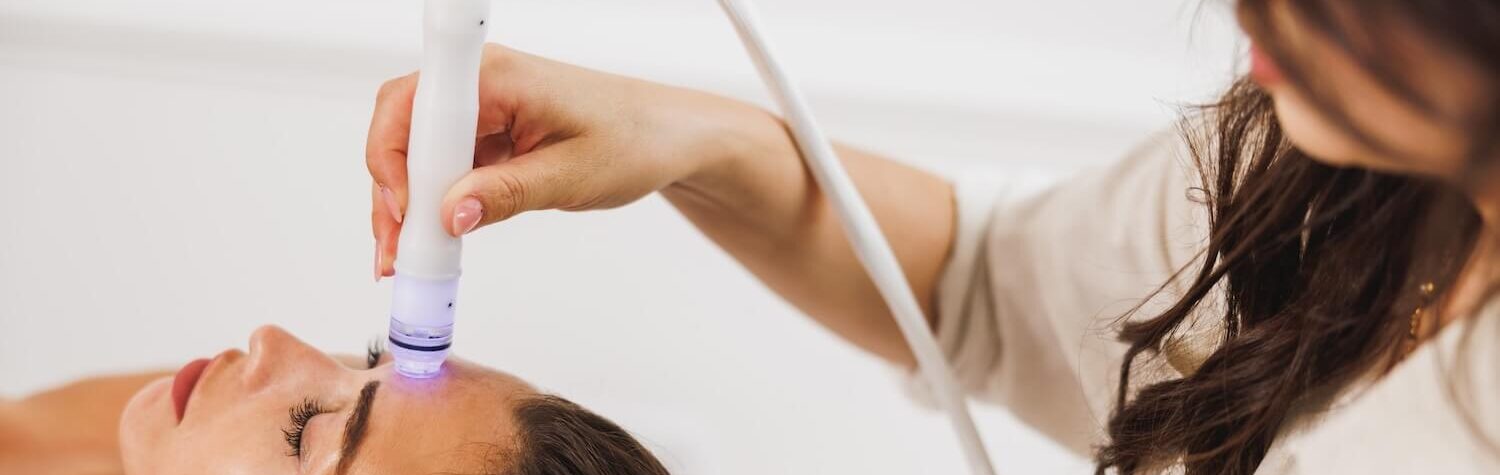
Facial treatments have been a cornerstone of skincare for centuries, offering people a way to relax while achieving smoother, healthier-looking skin. Whether you’re preparing for a special event, seeking to address specific skin concerns, or simply indulging in some self-care, facials are one of the most popular options for maintaining a youthful, glowing complexion. However, with the rise of advanced technology in the beauty industry, people now face a choice between traditional facials and the newer, high-tech HydraFacial treatments. Both promise to rejuvenate the skin, but how do they compare, and which one should you choose?
In this article, we’ll explore the fundamental differences between HydraFacials and traditional facials, including the unique benefits, treatment processes, the results they deliver, their suitability for different skin types, and which treatment may be right for you.
What Are Traditional Facials?
Traditional facials have been around for decades and are a staple of skincare routines in spas and salons. This time-tested treatment is known for its holistic, hands-on approach and customizable elements that address a wide variety of skin concerns. Whether you’re battling acne, dryness, wrinkles, or dullness, a traditional facial can be tailored to suit your individual needs.
The Traditional Facial Process:
- Cleansing: Every facial begins with a thorough cleansing to remove makeup, dirt, oil, and impurities from the skin’s surface. This is done to prepare the skin for the next steps, ensuring that products applied during the treatment can penetrate effectively.
- Exfoliation: Exfoliation can be done manually with a scrub or a brush, or chemically using gentle exfoliants like alpha-hydroxy acids (AHAs). This step helps to remove dead skin cells from the surface, leaving the skin smoother and more receptive to subsequent treatments.
- Extraction: One of the most distinguishing features of a traditional facial is manual extractions. During this process, the esthetician uses a combination of tools and gentle pressure to remove blackheads, whiteheads, and other impurities from the pores. This can be a bit uncomfortable, but it is essential for clearing out clogged pores and preventing breakouts.
- Mask Application: After extractions, a mask tailored to your skin’s needs is applied. Hydrating masks, detoxifying clay masks, or calming masks are often used to address specific concerns like acne, dryness, or redness. The mask is left on for several minutes to allow the ingredients to deeply nourish the skin.
- Facial Massage: Many traditional facials include a soothing facial massage, which helps to increase blood circulation, promote relaxation, and relieve tension in the face and neck. This step also encourages lymphatic drainage, which can help reduce puffiness and improve the skin’s overall appearance.
- Moisturizing and SPF Protection: Finally, the esthetician applies a moisturizer to hydrate the skin, followed by sunscreen to protect against UV damage.
Pros of Traditional Facials:
- Customizable to Skin Type: A skilled esthetician can adjust the facial based on your specific skin type and concerns. Whether you have dry, oily, or sensitive skin, the facial can be tailored with the right products and techniques.
- Relaxing and Therapeutic: Traditional facials are not just for skincare; they are also about relaxation. The process provides a calming, stress-relieving experience, especially during the facial massage and mask application.
- Holistic Approach: Traditional facials focus on treating the skin from the outside in with nourishing ingredients and hands-on techniques, providing an overall sense of well-being.
Cons of Traditional Facials:
- Longer Recovery Time: After manual extractions, you may experience redness or mild irritation, which can last anywhere from a few hours to a couple of days.
- Temporary Results: While traditional facials can give you glowing skin immediately after the treatment, the effects are often short-lived. Regular facials are needed to maintain results.
- Manual Extractions May Be Uncomfortable: For many people, the extraction process can be slightly painful or uncomfortable, especially if there are deep-seated blackheads or clogged pores.
What Are HydraFacials?
HydraFacials represent the latest innovation in non-invasive facial treatments, offering a state-of-the-art, multi-step process that cleanses, exfoliates, extracts, and hydrates the skin using advanced technology. HydraFacials differ from traditional facials in their use of a specialized device and the combination of various skin treatments in one procedure. This treatment is known for its instant results and minimal downtime, making it a favorite among people looking for glowing skin without any significant recovery time.
The HydraFacial Process:
- Cleansing and Exfoliation: The treatment begins with cleansing the skin and removing dead skin cells using a gentle exfoliating solution. The HydraFacial device uses a vortex-like suction to loosen debris and dead skin while simultaneously delivering a gentle hydrating serum to nourish the skin.
- Chemical Peel: A light chemical peel is applied to exfoliate deeper layers of the skin. This is a mild peel that is typically gentler than the chemical peels used in traditional facials. The peel helps to loosen up any remaining debris in the pores and prepares the skin for extraction.
- Extraction: The device then uses gentle suction to extract impurities, blackheads, and excess oil from the pores. The vacuum-like suction mechanism is highly effective at removing impurities without causing the pain or irritation that comes with manual extractions.
- Hydration and Serum Infusion: After the extraction process, the skin is infused with a customized blend of hydrating serums containing ingredients like hyaluronic acid, peptides, antioxidants, and vitamins. These ingredients help replenish the skin’s moisture levels, making the skin feel plump, smooth, and hydrated.
- LED Light Therapy: Some HydraFacial treatments also include LED light therapy to target specific skin concerns. Blue light is used to treat acne, while red light can help reduce signs of aging and promote collagen production.
- Post-Treatment Care: The procedure is followed by the application of a soothing moisturizer and sunscreen to lock in hydration and protect the skin from UV damage.
Pros of HydraFacials:
- Instant, Noticeable Results: One of the most significant advantages of HydraFacials is that they provide immediate results. Skin appears more radiant, hydrated, and smooth right after the treatment.
- No Downtime: HydraFacials have minimal to no downtime, and there is no irritation or redness after the procedure. You can resume your regular activities immediately.
- Gentle and Non-invasive: The HydraFacial process is non-invasive and less harsh on the skin compared to traditional facials. The suction system makes it so hydrafacials are ideal for people with sensitive skin or those who want a more comfortable facial experience.
- Targeted Treatments: HydraFacials can be tailored with different serums and boosters to address specific concerns such as acne, wrinkles, hyperpigmentation, and dry skin.
- Suitable for All Skin Types: HydraFacials are safe and effective for all skin types, including sensitive, oily, and acne-prone skin.
Cons of HydraFacials:
- Higher Cost: HydraFacials tend to be more expensive than traditional facials due to the advanced technology involved and the use of specialized serums.
- Professional Equipment Required: The treatment can only be performed by a trained professional using the HydraFacial machine, making it less accessible for at-home use.
- Maintenance Needed for Long-Term Results: While HydraFacials offer immediate results, their long-term effectiveness requires regular treatments to maintain optimal skin health.
Key Differences Between HydraFacials and Traditional Facials
Understanding the main differences between HydraFacials and traditional facials will help you decide which one is best suited for your goals.
1. Technique and Technology
- Traditional Facials: Use manual techniques like extractions, exfoliation, and mask application. These treatments are more hands-on and rely on the esthetician’s skill and knowledge.
- HydraFacials: Utilize advanced technology, including a device that combines suction, exfoliation, and serum infusion. The process is highly effective and typically less painful than manual extractions.
2. Duration and Convenience
- Traditional Facials: Typically take 60 to 90 minutes, depending on the type of facial and the specific needs of the client.
- HydraFacials: Generally take 30 to 45 minutes, making them a quicker option for those with busy schedules.
3. Results
- Traditional Facials: Provide immediate results but often require more time to see a noticeable difference. The effects are typically temporary.
- HydraFacials: Offer instant and visible results with smoother, plumper, and more radiant skin, and the effects last for several weeks.
4. Cost
- Traditional Facials: Generally more affordable than HydraFacials, with prices ranging from $50 to $150 per session.
- HydraFacials: Can be more expensive, with treatments ranging from $150 to $300 per session, depending on the location and the type of add-ons included.
5. Target Skin Concerns
- Traditional Facials: Can address a variety of skin concerns, including acne, dryness, and signs of aging, depending on the products and techniques used.
- HydraFacials: Specifically designed to target skin concerns like acne, hyperpigmentation, fine lines, wrinkles, and overall hydration with customized serums.
Which Is Right for You?
Ultimately, the choice between a HydraFacial and a traditional facial depends on your skincare goals, budget, and the level of results you are seeking.
- Choose a Traditional Facial if:
- You prefer a more holistic, hands-on approach.
- You want a customizable experience based on your unique skin type.
- You are looking for a more affordable option.
- You enjoy the relaxation aspect of facials and are willing to allow some downtime for extractions.
- Choose a HydraFacial if:
- You are looking for a quick, no-downtime treatment with immediate results.
- You want to address specific skin concerns, such as acne, wrinkles, and dryness, with targeted serums.
- You have sensitive skin and want a less invasive, more comfortable facial treatment.
- You are willing to invest in a more advanced treatment for long-term skin health.
Both HydraFacials and traditional facials offer unique benefits, and your decision should be based on your personal preferences, skincare needs, and budget. If you’re unsure, many spas offer consultations to help you choose the best treatment for your skin’s specific needs.
Conclusion
Both HydraFacials and traditional facials are excellent options for achieving beautiful, glowing skin. HydraFacials stand out for their use of cutting-edge technology and fast results, while traditional facials remain a popular choice due to their relaxing and customizable nature. Whichever treatment you choose, regular facials can help maintain healthy skin and prevent long-term issues, giving you the glowing complexion you’ve always desired.