
Weight loss is a common goal for many individuals, whether driven by the desire to improve health, enhance self-esteem, or achieve a desired physique. Achieving weight loss, however, is rarely simple and requires dedication, patience, and commitment. Traditional weight loss methods—dieting, exercise, and behavioral changes—have been the standard approach for many years, promoting long-term, sustainable results. However, with the rise of weight loss injections in recent years, a new approach has gained attention for its convenience and potential to offer quicker results.
As more individuals seek faster solutions, the question arises: Which method is more effective—traditional weight loss techniques or injections? In this article, we will explore both approaches in-depth, examining their mechanisms, effectiveness, and suitability for various individuals. By the end, you’ll have a clearer picture of which method might best suit your weight loss goals.
Understanding Traditional Weight Loss Methods
Traditional weight loss methods are time-tested and have been proven effective for many people. These methods focus on three key pillars: dieting, exercise, and behavioral changes. While they tend to offer gradual results, they encourage sustainable weight loss and contribute to overall well-being.
1. Dieting
A healthy, balanced diet plays a crucial role in weight loss. Numerous diet plans cater to various preferences and lifestyles, such as low-carb diets (like keto), intermittent fasting, and plant-based eating. The key is finding a diet that is both nutritious and feasible for the long term.
Pros:
- Traditional diets can be customized to fit individual preferences, allowing flexibility.
- Focusing on long-term changes rather than quick fixes promotes lasting results and healthier habits.
- Many diets encourage the consumption of nutrient-dense foods, which can improve overall health and energy levels.
Cons:
- Sticking to a restrictive diet can be challenging, particularly during social events or in stressful situations.
- Progress is often slow and can be discouraging, especially during plateaus.
- Some diets may not provide sufficient nutrients, leading to deficiencies if not carefully planned.
2. Exercise
Exercise is another cornerstone of traditional weight loss. A well-rounded fitness routine typically includes both cardiovascular exercises, like running, and strength training, such as weightlifting, to build muscle and increase metabolism. High-Intensity Interval Training (HIIT) is also popular for its ability to burn fat efficiently.
Pros:
- Exercise boosts metabolism and builds lean muscle, which helps burn more calories even at rest.
- It enhances cardiovascular health, mental well-being, and strengthens bones and muscles.
- When combined with proper diet, exercise can contribute to significant and lasting weight loss.
Cons:
- It requires time, effort, and dedication, making it difficult for those with busy schedules to stay consistent.
- Exercise alone often doesn’t lead to rapid weight loss and must be paired with a healthy diet for the best results.
- Some individuals may experience slow or minimal progress, which can lead to frustration and decreased motivation.
3. Behavioral Changes
Behavioral changes focus on altering eating patterns, lifestyle habits, and mindset. Strategies such as mindful eating, portion control, and addressing emotional eating patterns are often implemented to promote long-term weight loss. Cognitive Behavioral Therapy (CBT) and other counseling methods can help individuals cope with food-related emotions or psychological barriers.
Pros:
- Behavioral changes can lead to lasting results, as they encourage a healthier mindset and eating habits.
- A holistic approach to weight loss, focusing not just on the body, but also on the mind and emotions, can promote well-being.
- Behavioral changes support weight maintenance, which is essential to avoid regaining lost weight.
Cons:
- Changing deeply ingrained habits requires time, patience, and effort.
- Results are often gradual and may require a longer commitment to see noticeable changes.
- Success depends on the individual’s willingness to commit to change and their ability to address emotional eating triggers.
Introduction to Weight Loss Injections
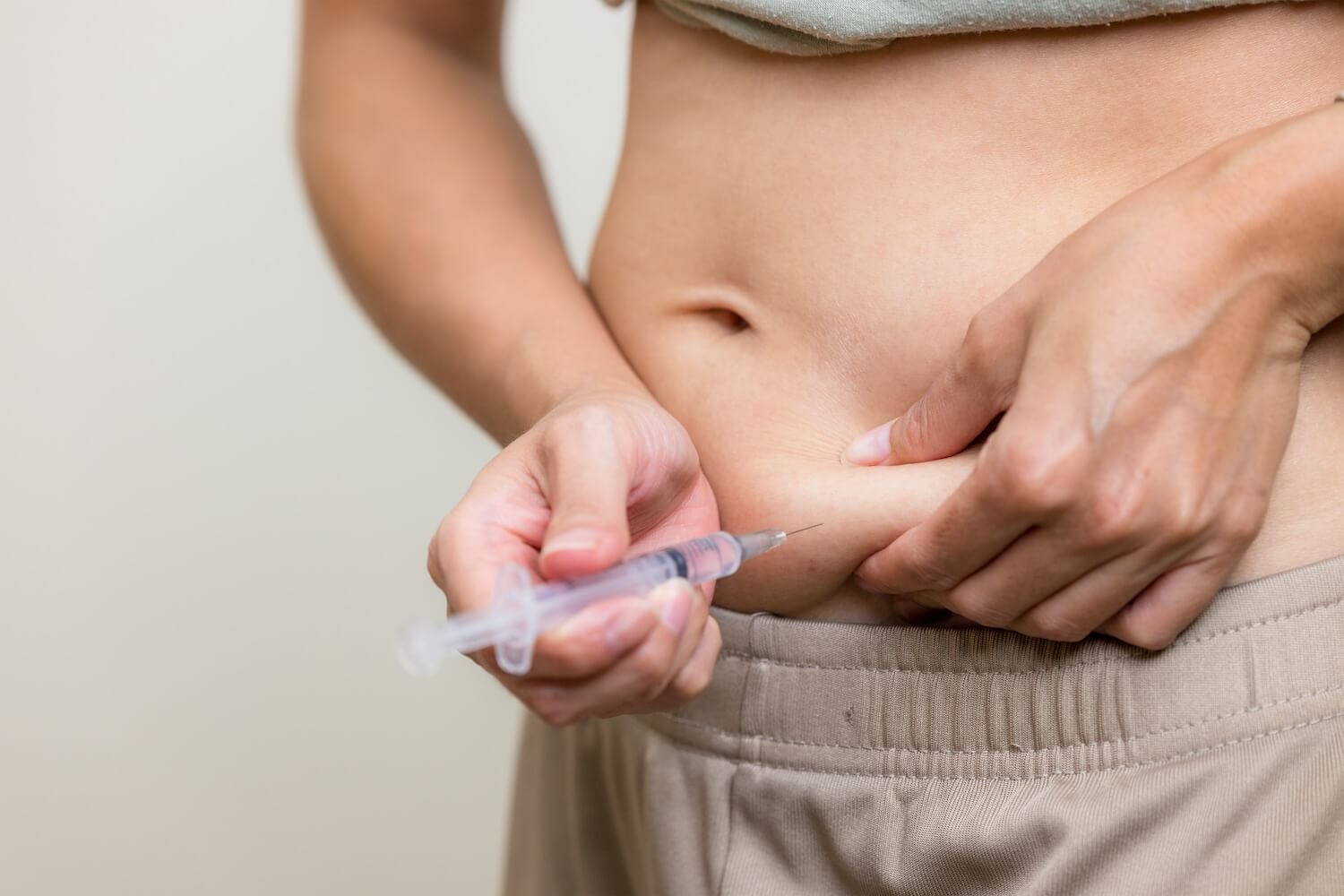
While traditional methods have been the go-to for weight loss, recent advancements in medical treatments have introduced injections as a potentially more effective option for many. These weight loss injections, often prescribed by healthcare professionals, work by influencing hormones or metabolic processes in the body. The injections target the root causes of weight gain, such as hunger and fat storage, helping individuals lose weight more quickly and efficiently.
1. Types of Weight Loss Injections
Several types of injections are now available, each offering a unique mechanism to support weight loss. Some of the most common types include:
- HCG (Human Chorionic Gonadotropin): Often marketed as a weight loss aid, HCG injections are believed to reduce appetite and increase fat burning, although its use for weight loss is controversial and not FDA-approved.
- Vitamin B12 Injections: Known for their energy-boosting properties, B12 injections are thought to help metabolism by improving energy levels and supporting overall well-being, making it easier to maintain an active lifestyle.
- Semaglutide (GLP-1 receptor agonists): One of the most widely studied and effective weight loss injections, Semaglutide works by reducing appetite and improving insulin sensitivity. Clinical trials have demonstrated its ability to help individuals achieve significant weight loss, making it an appealing option for those seeking faster results.
- Lipotropic Injections: These injections contain compounds such as methionine, inositol, and choline that help enhance fat metabolism and promote the breakdown of fat cells. Often combined with B12, they can offer an added boost for those looking to maximize fat loss.
2. Mechanism of Action
Weight loss injections work by targeting hormones and enzymes that influence hunger, fat storage, and metabolism. For example, GLP-1 receptor agonists like Semaglutide mimic a naturally occurring hormone that reduces appetite and helps regulate blood sugar. Similarly, B12 injections are thought to increase energy production, making it easier for individuals to remain active and burn calories more efficiently.
3. Benefits of Injections
- Faster Results: Weight loss injections offer a more immediate solution for those eager to see visible changes quickly. Some individuals report noticeable reductions in weight within weeks, which can be incredibly motivating.
- Convenience: For individuals who struggle to stay consistent with dieting or exercise, injections offer a practical alternative that doesn’t require major lifestyle changes. Many people find this approach to be more manageable than committing to rigorous diet and exercise routines.
- Clinically Proven: Several weight loss injections, such as Semaglutide, are backed by clinical trials and medical studies, proving their effectiveness. These treatments are designed to help individuals not only lose weight but also maintain it over time with appropriate lifestyle support.
4. Drawbacks of Injections
- Cost: Weight loss injections can be expensive, with many treatments not covered by insurance. The cost of ongoing treatments may add up over time, especially if the injections are needed for months to maintain weight loss.
- Side Effects: Injections like GLP-1 agonists can cause side effects, including nausea, stomach discomfort, and headaches. However, these side effects are generally mild and subside over time.
- Ongoing Maintenance: While injections offer quick results, they often require ongoing use to maintain weight loss. Without the incorporation of a healthy diet and exercise, the weight may return once the treatment ends.
Comparing Effectiveness
1. Sustainability of Results
Traditional methods tend to be more sustainable in the long term. By focusing on healthy eating, regular exercise, and behavioral changes, individuals can achieve lasting weight loss and build habits that promote long-term health. However, these methods can take longer to show results and require a great deal of discipline.
On the other hand, weight loss injections provide quicker results, which can be a motivating factor. However, they may not be as sustainable without ongoing use, and maintenance requires combining injections with healthy lifestyle practices for best results. For many, injections may offer a much-needed jumpstart to their weight loss journey, with traditional methods helping to solidify and maintain the results.
2. Speed of Results
Injections typically offer faster results than traditional methods. Many individuals notice visible changes in a short period of time, which can be incredibly motivating for those who have struggled with slow progress in the past. This rapid progress can help build confidence and encourage continued commitment to weight loss goals.
3. Health and Wellness Impact
Traditional methods offer broad health benefits beyond weight loss. Regular physical activity improves cardiovascular health, boosts mental well-being, and strengthens muscles and bones. While weight loss injections can improve obesity-related health risks, they don’t provide the same holistic wellness benefits as regular exercise and balanced nutrition.
4. Side Effects and Risks
Injections come with the possibility of side effects such as nausea or stomach upset, though these effects are typically mild and temporary. Traditional methods, while natural, can also result in negative effects, such as nutrient deficiencies or fatigue with restrictive diets. It’s essential to approach both methods with a balanced, thoughtful strategy for optimal health.
Who Should Consider Weight Loss Injections?
For many individuals, weight loss injections can provide an effective solution, especially when traditional methods have proven difficult to follow. If you are looking for quicker results and a convenient approach to kick-start your weight loss journey, injections may be a great option to explore. In particular, individuals with medical conditions such as obesity or metabolic disorders may benefit from the efficacy of weight loss injections. When paired with a healthy lifestyle, these injections can help jumpstart significant progress and lead to lasting weight management.
Conclusion
Both traditional weight loss methods and weight loss injections offer distinct benefits. Traditional methods—diet, exercise, and behavioral changes—are time-tested approaches that support long-term health and sustainable weight loss. However, injections can be an excellent option for individuals seeking faster results or those who struggle with sticking to a traditional weight loss plan.
While injections may not be a magic bullet, they can serve as a valuable tool for jump-starting weight loss and regaining confidence in your progress. By combining injections with a well-rounded approach of healthy eating, exercise, and behavioral change, many individuals have found success in achieving their weight loss goals more efficiently. As always, it’s important to consult with a healthcare professional to determine the best weight loss approach for your individual needs and to ensure safety throughout your journey.